Swatch Watch: How a Plastic Timepiece Redefined Fashion Accessibility
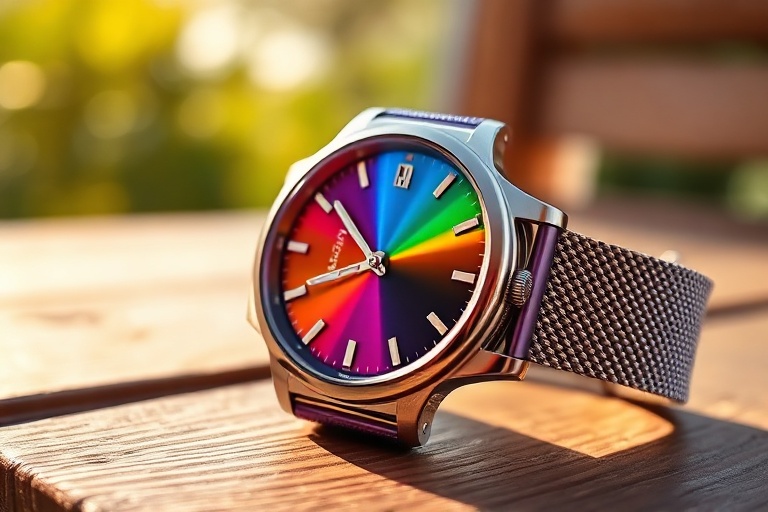
The Swatch watch, introduced in 1983, was more than just a timekeeping device. It was a cultural statement—a bold fusion of Swiss precision and pop-art aesthetics packaged in a plastic case. At a time when digital watches dominated the market, Swatch offered something radical: affordability without sacrificing style. Nearly four decades later, its influence persists, reshaping how the world views fashion accessories.
The Birth of a Revolution: Swatch’s Bold Entry into the Market
Swatch emerged from the Swiss watchmaking giant ASUAG-SSIH (later Swatch Group) during a period of crisis. The rise of quartz movements and digital displays had eroded demand for traditional mechanical watches. Swiss manufacturers faced existential threats as cheaper Asian imports flooded the market. Enter Nicolas Hayek, the engineer and entrepreneur who orchestrated the Swatch revival.
Hayek’s strategy was simple yet ingenious. He stripped down watchmaking to its essentials, reducing the number of components from 91 to just 51. The result? A watch that cost less to produce yet maintained Swiss quality. More importantly, Swatch transformed watches into fashion statements. With over 100 designs released annually, consumers could rotate timepieces to match their outfits, moods, or even the season.
The first Swatch models debuted in 1983, priced at just $30—a far cry from the luxury Swiss watches of the era. The bright colors, playful designs, and disposable nature of the watches appealed to younger generations. Within two years, Swatch sold over a million units, proving that fashion and function could coexist.
Beyond Timekeeping: Swatch as a Cultural Phenomenon
Swatch didn’t just sell watches; it sold an attitude. The brand collaborated with artists, musicians, and designers, turning its timepieces into canvases. Limited-edition releases, such as the 1985 partnership with artist Keith Haring, blurred the lines between accessory and art. Swatch also became a symbol of youth culture, embraced by everyone from Madonna to hip-hop pioneers.
Its impact extended beyond commerce. Swatch’s marketing campaigns were playful and irreverent, often poking fun at the stuffiness of traditional watch brands. The iconic “Tick Tock” logo and witty slogans like “Swatch Art” reinforced its image as a brand unafraid of breaking rules. By the late 1980s, Swatch had expanded into a global phenomenon, with flagship stores in major cities and a cult following that persists today.
Key Moments in Swatch’s Evolution
- 1983: Introduction of the first Swatch models, priced at $30.
- 1985: Collaboration with artist Keith Haring, launching the first in a series of limited-edition designs.
- 1990s: Expansion into global markets, with Swatch becoming a staple in streetwear and hip-hop fashion.
- 2010s: Revival of vintage Swatch models and partnerships with contemporary designers like Jeremy Scott.
- 2020s: Continued innovation with smartwatch hybrids and sustainable materials.
Swatch’s Lasting Legacy: Fashion, Function, and Accessibility
Swatch’s greatest achievement was democratizing luxury. Before Swatch, Swiss watches were reserved for the elite. By making them affordable and fashionable, the brand opened the door for a new generation of watch enthusiasts. Its influence can be seen in today’s fast-fashion collaborations, from H&M to Supreme, where disposable yet stylish accessories dominate.
Yet Swatch’s legacy isn’t just about affordability. It proved that watches could be collectible, wearable art. The secondary market for vintage Swatches has flourished, with rare models selling for hundreds—or even thousands—of dollars. This duality—accessible yet covetable—keeps Swatch relevant in an era where sustainability and exclusivity often clash.
The brand has also embraced innovation. In 2022, Swatch introduced the “Swatch Omega System51,” a hybrid smartwatch that blends analog aesthetics with modern technology. While purists may scoff, the move reflects Swatch’s willingness to evolve without losing its identity.
Why Swatch Still Matters Today
In a world where fast fashion is increasingly scrutinized for its environmental impact, Swatch remains a paradox. Its plastic construction, once revolutionary, now feels environmentally questionable. Yet the brand has taken steps to address this, introducing recycled materials and reducing waste in production.
More importantly, Swatch represents a mindset shift in consumer culture. It challenged the idea that quality must come at a prohibitive price. In an era where luxury brands like Rolex and Patek Philippe face backlash for inflated prices and long waitlists, Swatch’s ethos feels more relevant than ever.
For collectors, Swatch offers a gateway into horology. For fashion enthusiasts, it’s a reminder that accessories can be playful and personal. And for the industry, it stands as a testament to how a single product can redefine an entire market.
Final Thoughts
Swatch’s story is one of disruption, creativity, and resilience. From its humble beginnings in post-mechanical-watch Switzerland to its status as a global icon, Swatch proved that watches could be more than just tools—they could be expressions of identity. As fashion and technology continue to evolve, Swatch’s legacy serves as a blueprint for brands seeking to balance accessibility, style, and innovation.
For those looking to explore more about how fashion intersects with technology and culture, check out our Trending and Fashion sections for deeper insights.
Whether you’re a longtime Swatch fan or a newcomer curious about its history, one thing is clear: this plastic timepiece changed the game forever.