The Backrooms Movie: How Internet Lore Became a Global Horror Sensation
The Backrooms Movie: A Global Phenomenon Born from Internet Lore
The Backrooms, a sprawling urban legend and digital mythology, has evolved from an obscure creepypasta into a mainstream cultural touchpoint. Its latest iteration—a cinematic adaptation—has captivated audiences worldwide, blending psychological horror with surreal storytelling. Unlike traditional horror franchises, the Backrooms mythos thrives on its decentralized, community-driven origins, making its transition to the silver screen both inevitable and fraught with challenges.
This isn’t just another horror movie. It’s a reflection of how internet-born stories can transcend their digital roots to shape global pop culture. From its humble beginnings on 4chan to its current status as a viral sensation, the Backrooms have become a canvas for collective storytelling, where geography, architecture, and fear intersect in unsettling ways.
The Mythos Behind the Movie: How a Creepypasta Became a Cultural Staple
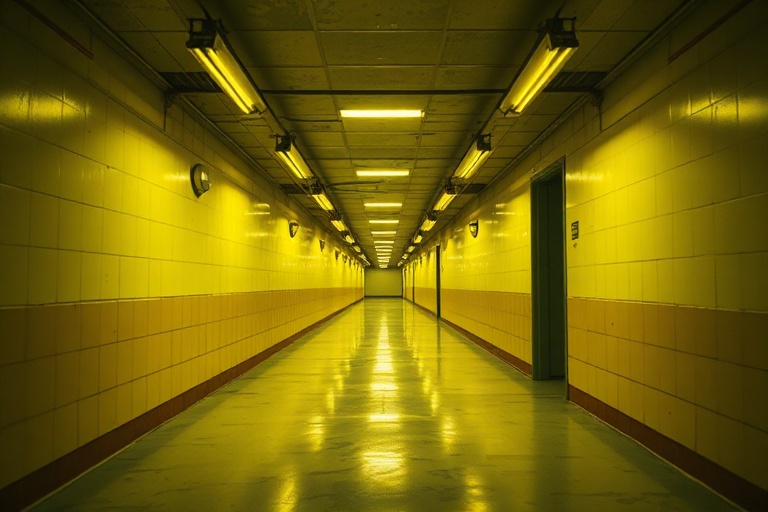
The Backrooms originated as a simple thought experiment: a liminal space where reality bends, and the familiar becomes alien. The original 2018 post on 4chan’s /x/ board described it as “the place with the yellow wallpaper and the endless maze of offices.” This minimalist description sparked an explosion of creativity, with users expanding the concept through images, videos, and collaborative fiction.
What makes the Backrooms unique is its adaptability. Unlike static horror tropes, it’s a malleable concept that evolves with each retelling. Artists and storytellers worldwide have contributed to its mythos, adding layers such as the “Level 0” office complex, the “Smilers” entity, and the eerie hum of fluorescent lights. This organic growth mirrors how folklore has always spread—through oral tradition, but accelerated by digital connectivity.
The movie adaptation taps into this collective imagination. Early trailers and teasers have leaned into the uncanny, using distorted perspectives and unsettling sound design to evoke the Backrooms’ signature dread. Fans have dissected every frame, comparing the film’s aesthetic to existing fan-made lore, ensuring the final product resonates with those who’ve spent years imagining this world.
A Global Perspective: How Different Cultures Interpret the Backrooms
The Backrooms’ appeal isn’t confined to English-speaking audiences. Its themes of liminality and existential unease resonate across cultures, albeit with local twists. In Japan, for example, the Backrooms have been reinterpreted through the lens of kaidan (ghost stories), with some creators emphasizing the psychological horror of isolation rather than jump scares.
In Europe, the Backrooms have been linked to architectural horror, drawing parallels to Brutalist buildings and labyrinthine subway systems. Polish and Russian creators, in particular, have embraced the Backrooms as a metaphor for post-Soviet urban decay, where forgotten spaces become metaphors for societal collapse.
Even in non-Western contexts, the Backrooms have been localized. In Brazil, fans have blended the mythos with local folklore, creating stories where entities like the Saci-Pererê lurk in the endless corridors. This cultural cross-pollination proves that the Backrooms are more than a horror trope—they’re a global language of unease.
Notable international adaptations include:
- Japan: Backrooms Japan, a fan-made short film series that reimagines the levels as haunted schools and hospitals.
- Germany: Die Hintergrundebene, a German-language podcast exploring the Backrooms’ philosophical implications.
- Mexico: Los Pasillos Infinitos, a Mexican YouTube series that incorporates Day of the Dead imagery into the Backrooms aesthetic.
The Challenges of Adapting Internet Lore for the Big Screen
Bringing the Backrooms to life on film is no small feat. The mythos is vast, decentralized, and deeply personal to its fans. Translating this into a cohesive narrative requires balancing fidelity to the source material with cinematic storytelling. Early reports suggest the film will focus on a few key levels, using them as a framework to explore broader themes of reality and perception.
One major challenge is visual consistency. The Backrooms are defined by their surreal, often glitchy aesthetic—something that’s easy to describe but difficult to film. Director Jeremy Saulnier (Green Room, Hold the Dark) has hinted at using practical effects and minimal CGI to maintain a tactile, unsettling atmosphere. This approach aligns with the original creepypasta’s emphasis on the uncanny rather than outright horror.
Another hurdle is fan expectations. The Backrooms community is fiercely protective of its lore, and any adaptation risks alienating hardcore fans. To mitigate this, the film’s producers have engaged with online creators, incorporating feedback into the script. Whether this will satisfy purists remains to be seen, but it’s a step toward ensuring the movie feels authentic.
For those new to the Backrooms, the film could serve as an entry point into a larger universe of fan-made content. Websites like Dave’s Locker Entertainment offer deep dives into creepypastas and horror lore, making it a great resource for curious viewers.
What’s Next for the Backrooms Franchise?
The Backrooms movie is just the beginning. Given the mythos’s expansive nature, it’s likely we’ll see sequels, spin-offs, or even an anthology series exploring different levels. The success of the film could also inspire more international adaptations, further cementing the Backrooms as a global phenomenon.
Beyond cinema, the Backrooms have already influenced other media. Video games like The Backrooms Game (a found-footage-style horror game) and Local58 (a surreal horror series) have borrowed elements from the mythos. Even music has been affected, with artists like Carpenter Brut incorporating Backrooms-inspired visuals into their performances.
For now, fans are eagerly awaiting the film’s release, debating theories and creating fan art at a feverish pace. Whether it will live up to the hype remains to be seen, but one thing is certain: the Backrooms are here to stay.
The Backrooms as a Mirror of Modern Anxiety
At its core, the Backrooms are a reflection of modern anxieties—isolation, the fear of the unknown, and the uncanny nature of everyday spaces. In an era where reality feels increasingly fragmented, the Backrooms offer a way to externalize those fears in a tangible, albeit nightmarish, form.
This might explain why the mythos has resonated so deeply across generations. For Gen Z, it’s a digital folklore that feels native to their online experiences. For older audiences, it harks back to classic horror tropes but with a modern twist. The Backrooms are a bridge between past and present, a way to process fear in a world that’s increasingly hard to define.
As the movie prepares to hit theaters, it’s worth considering what the Backrooms represent beyond horror. They’re a testament to the power of collective storytelling, a reminder that the internet isn’t just a tool for consumption but a space for creation. And in a world where reality often feels like a liminal space, the Backrooms might be the closest thing we have to a shared nightmare.