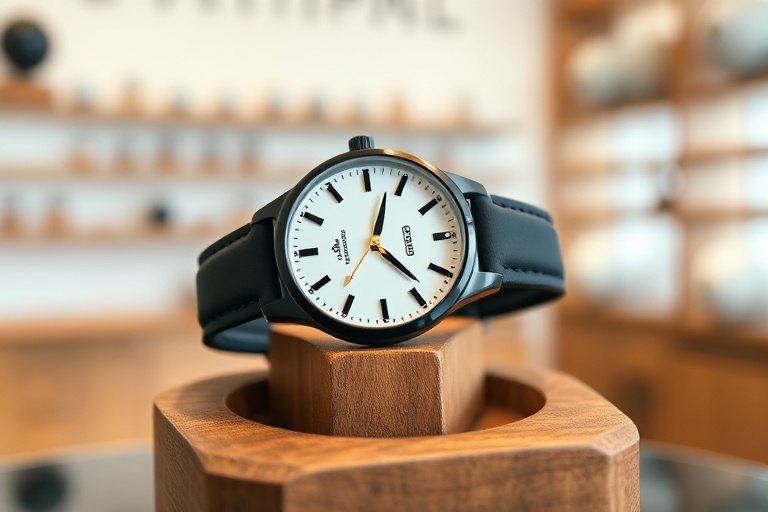
How Swatch Watch Revolutionized Timekeeping and Fashion
In the early 1980s, the Swiss watch industry faced an existential crisis. Japanese quartz movements, cheaper to produce and more accurate than traditional mechanical movements, flooded the market. Swiss brands struggled to compete, their high-end image alienating younger consumers. Enter Swatch—a radical experiment that saved an entire industry by reframing what a watch could be.
The Birth of Swatch: A Bold Gamble on Plastic
Swatch launched in 1983 under the leadership of Nicolas Hayek, the visionary behind the company. Hayek’s idea was simple: create an affordable, stylish, and disposable watch using plastic components and revolutionary assembly-line techniques. The original Swatch watches were made from just 51 parts—down from the 91 or more in traditional watches—making them easier to mass-produce and repair.
This wasn’t just a product; it was a cultural pivot. Swatch positioned itself as a fashion accessory first, a timekeeping device second. The watches featured bold colors, playful designs, and a price point that made them accessible to teenagers and young adults. By 1984, Swatch had sold over a million units, proving that Swiss watchmaking could pivot without losing its identity.
Key Innovations That Defined Swatch
- Plastic construction: Reduced production costs and weight, making watches more comfortable and durable.
- Modular design: Components were standardized, allowing for quick assembly and easier repairs.
- Limited editions and collaborations: Swatch embraced pop culture, partnering with artists like Keith Haring and brands like MTV to create collector’s items.
- Direct-to-consumer sales: Swatch stores and boutiques bypassed traditional retailers, giving the brand control over pricing and branding.
From Underdog to Industry Titan: Swatch’s Lasting Impact
Swatch didn’t just revive the Swiss watch industry—it reshaped global perceptions of what a watch could be. Competitors like Timex and Casio had dominated the affordable market, but Swatch brought Swiss craftsmanship to the masses. By the 1990s, the brand had expanded into a billion-dollar empire, selling over 300 million watches worldwide.
The company’s strategy extended beyond watches. Swatch diversified into automotive collaborations, including a limited-edition BMW and partnerships with the Swatch Group’s own smartwatch brand, Tissot. The brand’s playful, irreverent marketing—think the “Swatch Collectors Club” and “Second Watch” campaigns—turned timepieces into lifestyle statements.
The Smartwatch Era: Can Swatch Stay Relevant?
As smartwatches like the Apple Watch and Fitbit redefine timekeeping, Swatch faces new challenges. The brand has flirted with smartwatch technology, releasing models like the Swatch Bellamy, which syncs with mobile devices. However, its heart remains in analog design. Swatch’s recent collaborations, such as the Swatch x Balenciaga collection, prove the brand’s ability to stay culturally relevant.
Yet, the rise of digital timekeeping poses questions: Can Swatch maintain its identity in a market increasingly dominated by smart technology? The answer may lie in its original formula—blending nostalgia, innovation, and accessibility. Swatch’s ability to evolve without losing its soul is what has kept it alive for four decades.
Why Swatch Still Matters Today
Swatch’s legacy extends beyond its sales figures. It proved that tradition and innovation could coexist, a lesson that resonates in today’s fast-changing markets. The brand’s emphasis on design, affordability, and storytelling set a precedent for consumer tech brands like Apple and Samsung, which now blend functionality with fashion.
Swatch also democratized luxury. Before Swatch, Swiss watches were seen as heirlooms or status symbols. By making them affordable and trendy, Swatch made Swiss craftsmanship part of everyday life. This shift influenced brands like Daniel Wellington and MVMT, which further blurred the lines between fashion and horology.
For collectors, Swatch offers another layer of appeal. Limited editions, like the 2022 “Swatch System 51” anniversary model, sell out within minutes. The secondary market for rare Swatch watches often sees prices soar, turning the brand into an investment for some.
The Future of Swatch: What’s Next?
Swatch’s future may hinge on its ability to balance tradition with innovation. The brand has already dipped its toes into sustainability, releasing watches made from recycled plastics. As consumers prioritize eco-friendly products, this could be a key differentiator.
Another opportunity lies in reviving its smartwatch efforts. While Swatch’s analog roots are its strength, a hybrid smartwatch—combining Swiss precision with digital features—could carve out a niche. The brand’s partnership with tech companies could yield exciting results.
Ultimately, Swatch’s greatest asset is its adaptability. From saving the Swiss watch industry to staying relevant in the age of smartwatches, the brand has repeatedly proven its ability to reinvent itself. Whether through fashion collaborations, sustainability initiatives, or new tech integrations, Swatch’s next chapter is likely to be as bold as its first.
Conclusion: The Swatch Effect
Swatch’s story is more than a business case—it’s a blueprint for survival in a changing world. By challenging conventions and embracing change, the brand didn’t just save an industry; it redefined it. Today, as smartwatches and digital timekeeping dominate, Swatch’s analog legacy serves as a reminder that innovation doesn’t always mean discarding the past.
For consumers, Swatch represents choice. It’s a watch for every occasion, every mood, and every budget. For the industry, it’s a lesson in resilience. And for the world, it’s proof that even the most traditional crafts can find new life in the modern age.