Why California’s Peach Orchards Are Disappearing and What Comes Next
California’s Peach Orchards Face a Changing Landscape
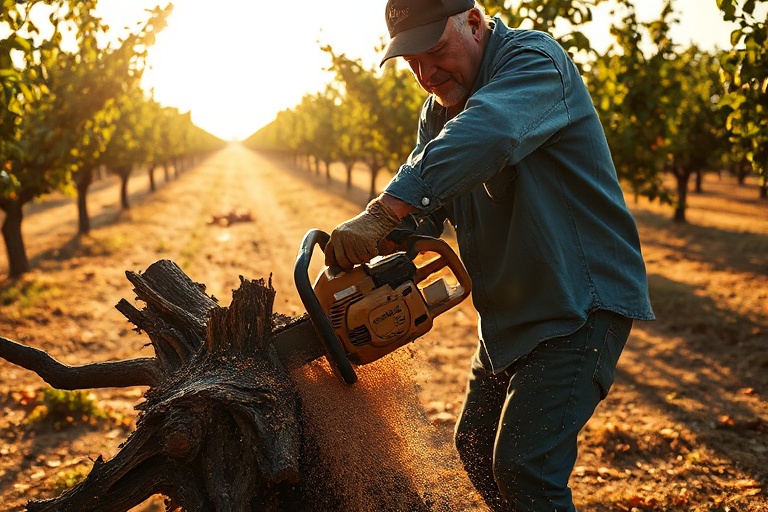
The rolling hills of California’s Central Valley, once synonymous with endless rows of peach trees heavy with golden fruit, are undergoing a quiet transformation. Farmers are increasingly choosing to remove peach trees, a shift driven by shifting market demands, rising operational costs, and environmental pressures. This trend reflects broader changes in global agriculture, where tradition collides with economic necessity.
Peaches have long been a staple of California’s agricultural identity. The state produces nearly 70% of the nation’s fresh peaches, according to the California Department of Food and Agriculture. Yet, as consumer tastes evolve and production costs climb, many orchards are being replaced with crops perceived as more profitable or resilient. Almonds, pistachios, and wine grapes have become the new darlings of the region, drawing both water and investment.
The Economic Pressures Behind the Removal
Several factors are converging to push peach tree removal to the forefront. Labor costs have surged as fewer workers migrate to agricultural jobs, and water scarcity—exacerbated by droughts and regulatory restrictions—has made irrigation an expensive gamble. A single peach tree can require up to 45 gallons of water per day during peak growing season, a resource-intensive demand in a state where water rights are fiercely contested.
Meanwhile, global competition has intensified. Countries like Chile and China have expanded their peach production, offering lower-cost alternatives that undercut California growers. Domestic demand for fresh peaches has also stagnated, with younger consumers favoring imported or alternative fruits. The result is a market where the costs of growing peaches often outweigh the returns.
For small and mid-sized farms, these pressures are particularly acute. Many have no choice but to uproot peach trees in favor of crops with shorter payback periods or government-subsidized alternatives. The transition is rarely easy, as peach orchards represent decades of investment in soil health, irrigation systems, and family legacies.
Environmental Consequences and Adaptation
Beyond economics, the removal of peach trees carries environmental implications. Orchards play a role in carbon sequestration and soil stabilization, and their removal can disrupt local ecosystems. Some farmers are turning to regenerative practices, such as cover cropping or diversifying with drought-resistant varieties, to mitigate these effects. Others are exploring agroforestry models that integrate peach trees with other crops or livestock.
Water management remains a critical challenge. Growers are increasingly adopting precision irrigation technologies, such as soil moisture sensors and drip systems, to maximize efficiency. However, these solutions require upfront investments that many cannot afford. The state’s push toward sustainable agriculture, including the Sustainable Groundwater Management Act, adds another layer of complexity, forcing farmers to balance compliance with profitability.
In some cases, peach trees are being replaced with crops that demand less water or are more resilient to climate change. Pistachios, for example, are a popular alternative due to their lower water requirements and growing global demand. Yet, this shift doesn’t come without trade-offs. Pistachio orchards take years to mature and require significant capital, leaving some farmers in a precarious transition period.
The Cultural Shift in California’s Farming Communities
The decline of peach orchards is more than an economic or environmental issue—it’s a cultural one. Peaches have been woven into the fabric of California’s identity, from roadside stands to farmers’ markets and family traditions. The loss of these orchards erodes a piece of the state’s agricultural heritage, one that has been celebrated in festivals like the Cling Peach Festival in Yuba City.
For immigrant communities, particularly those from Mexico and Central America, peach farming has provided livelihoods for generations. The knowledge passed down through families—how to prune, harvest, and coax fruit from stubborn soil—is now at risk of fading. Some growers are attempting to preserve this legacy by focusing on heirloom varieties or organic peaches, catering to niche markets willing to pay premium prices.
Yet, even these efforts face hurdles. Organic certification is costly and time-consuming, and certifying bodies often impose stringent requirements that small farms struggle to meet. The result is a paradox: while consumers increasingly seek organic and locally grown produce, the infrastructure to support such farming is eroding in California’s Central Valley.
What’s Next for California’s Orchards?
The future of peach farming in California is uncertain, but the trend toward orchard removal shows no signs of slowing. Farmers are adapting in piecemeal ways—some diversifying into nuts or grapes, others leasing land to solar energy companies as a secondary revenue stream. A few are experimenting with vertical farming or controlled-environment agriculture, though these methods are still in their infancy for tree fruits.
The state government has introduced programs to support farmers transitioning to more sustainable practices, but critics argue these efforts are insufficient. Meanwhile, climate projections suggest that California will face even drier conditions in the coming decades, further complicating the viability of water-intensive crops like peaches.
For consumers, the changes in California’s orchards could mean fewer locally grown peaches on grocery store shelves. Imports may fill the gap, but they won’t replicate the flavor or cultural significance of California peaches. The shift also raises questions about food security and the resilience of regional agricultural systems in the face of global pressures.
One possible path forward is a renewed focus on heirloom and specialty peaches, which could command higher prices in farmers’ markets or through direct-to-consumer sales. Another is the integration of peach trees into multi-crop systems, such as agroforestry, which could restore some of the ecological benefits lost with monoculture orchards.
Ultimately, the decline of California’s peach orchards is a microcosm of broader agricultural trends. It’s a story of adaptation, loss, and the relentless pressure to remain competitive in a globalized world. For those who have tended these trees for generations, the transition is bittersweet—a necessary step, but one that reshapes identities and landscapes.
As California’s farmers navigate this shifting terrain, their choices will shape not only the state’s agricultural future but also the very character of its rural communities. The peach trees may fade, but the lessons they leave behind could help cultivate something new.
—
The Role of Technology in Orchard Management
While the removal of peach trees dominates headlines, some farmers are embracing technology to extend the viability of their orchards. Drones equipped with multispectral cameras can monitor tree health, identifying pests or disease before they spread. Soil sensors provide real-time data on moisture and nutrient levels, allowing for precise irrigation and fertilization. These tools, while costly, offer a lifeline in an increasingly competitive industry.
Robotics is another frontier. Startups are developing autonomous harvesters designed to pick peaches without bruising the fruit, addressing labor shortages while reducing reliance on human workers. However, adoption remains limited due to high costs and the technical challenges of navigating uneven orchard terrain.
Lessons from Other Fruit Industries
California’s peach industry isn’t alone in facing decline. The citrus industry in Florida has struggled with citrus greening disease, leading to widespread tree removal and a shift toward cold-hardy varieties. Similarly, apple orchards in the Pacific Northwest have contended with rising labor costs and competition from overseas growers. These cases highlight the fragility of tree fruit industries in the face of systemic pressures.
Yet, there are success stories. In Italy, small-scale peach growers have thrived by focusing on high-quality, organic fruit sold directly to consumers. In China, government subsidies have bolstered peach production, turning the country into the world’s largest peach producer. These examples suggest that niche markets and targeted support can help sustain orchards, even in challenging conditions.
A Call for Policy and Innovation
The transformation of California’s peach orchards underscores the need for policy interventions. Expanded subsidies for diversifying crops, grants for water-efficient technologies, and support for organic certification could help farmers adapt. Meanwhile, research into drought-resistant peach varieties could offer a lifeline to those unwilling to abandon the fruit entirely.
For consumers, the changes in California’s orchards are a reminder of the hidden costs behind our food systems. The next time you bite into a peach, consider the labor, water, and legacy that went into growing it—and the choices that may soon make such fruit a rarity.