Oklahoma City: A Crossroads of Culture, Commerce, and Creativity
Oklahoma City, the state capital of Oklahoma, is often overshadowed by larger American metropolises. Yet it stands as a compelling example of urban reinvention, where wide-open spaces meet a thriving arts scene and a growing economy. From its cowboy roots to its modern skyline, the city blends tradition with innovation in ways that resonate far beyond the Great Plains.
What makes Oklahoma City unique isn’t just its history or geography—it’s the way the city has redefined itself over time. Once a railroad hub and oil town, it has transformed into a center for aerospace, healthcare, and energy. Its resilience in the face of challenges like the 1995 bombing of the Alfred P. Murrah Federal Building has only strengthened its identity as a community that rebuilds with purpose.
A City Built on Contrasts
Oklahoma City sits at the edge of the Great Plains, where the flatlands stretch toward Texas and the Rockies loom in the distance. This geographic position has shaped its culture—pragmatic, hardworking, and deeply connected to the land. Yet the city’s character is anything but simple. Its downtown pulses with energy, thanks to projects like the MAPS (Metropolitan Area Projects) initiative, which has funded cultural venues, parks, and infrastructure improvements since the 1990s.
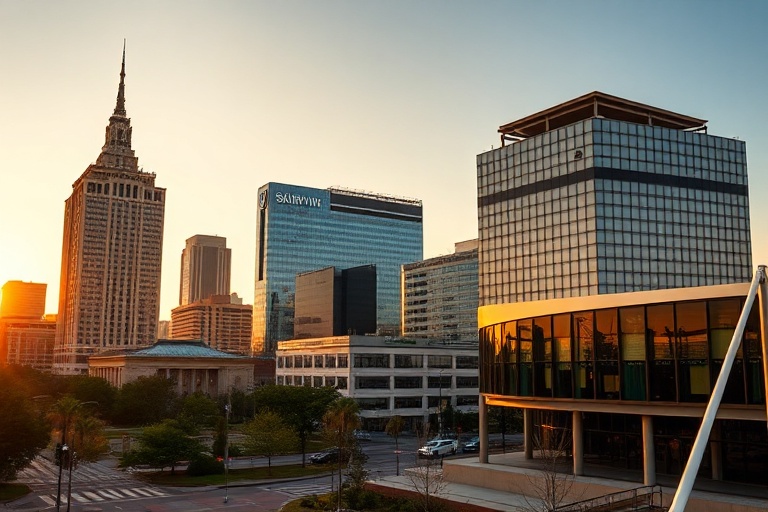
The contrast between old and new is visible in every corner. Historic buildings like the Skirvin Hotel, opened in 1911, share the skyline with modern towers such as the Devon Energy Center. Neighborhoods like Bricktown, once a warehouse district, now buzz with restaurants, breweries, and nightlife. Even the city’s nickname—“The Big Friendly”—reflects its dual identity: both a sprawling urban center and a place that welcomes outsiders.
The Heart of the Heartland
Oklahoma City’s cultural identity is rooted in its role as a crossroads. For centuries, Indigenous tribes, European settlers, and cattle drivers passed through the region. The Chisholm Trail, a historic cattle-driving route, once converged near present-day Oklahoma City, leaving a lasting mark on its identity. Today, the city celebrates this heritage through events like the Red Earth Festival, one of the largest Native American cultural gatherings in the United States.
The city’s arts scene reflects its diverse influences. The Oklahoma City Museum of Art houses an impressive collection of European and American works, while the National Cowboy & Western Heritage Museum preserves the legacy of the American West. Meanwhile, the Oklahoma City Ballet and Lyric Theatre of Oklahoma draw audiences from across the region. Even the city’s music scene has global connections—artists like Garth Brooks and The All-American Rejects emerged from Oklahoma City’s local venues.
This blend of tradition and creativity extends to the city’s culinary landscape. Barbecue joints like Leo’s BBQ and local favorites such as Big Truck Tacos serve up flavors that are distinctly Oklahoman yet globally inspired. The city’s food festivals, including the annual Festival of the Arts, showcase everything from Native American frybread to modern fusion cuisine.
A Hub for Industry and Innovation
Beyond its cultural appeal, Oklahoma City has quietly become a player in key industries. The aerospace sector, anchored by Tinker Air Force Base and companies like Boeing, contributes billions to the local economy. Healthcare is another major employer, with institutions like the University of Oklahoma Medical Center driving research and innovation. Meanwhile, the energy sector—particularly oil and natural gas—remains a cornerstone, even as the city diversifies into renewable energy.
The city’s economic growth hasn’t gone unnoticed. In recent years, Oklahoma City has attracted tech startups and remote workers, thanks to its affordability and quality of life. The Oklahoma Innovation Institute and initiatives like the Velocity Oklahoma City accelerator program support entrepreneurs in fields ranging from biotech to software development. This shift toward a knowledge-based economy signals a new chapter for a city that has long been defined by its industrial roots.
Yet challenges remain. Like many mid-sized American cities, Oklahoma City grapples with issues such as income inequality, urban sprawl, and access to healthcare. The city’s leaders have responded with programs aimed at revitalizing underserved neighborhoods and expanding public transit. Projects like the Oklahoma City Streetcar, which launched in 2018, offer a glimpse of how the city is rethinking mobility and connectivity.
A Global Perspective on a Local Icon
To understand Oklahoma City’s significance, it helps to look at it through a global lens. Cities around the world—from Manchester to Melbourne—have undergone similar transformations, shifting from industrial powerhouses to cultural and economic hubs. What sets Oklahoma City apart is its scale and pace. Unlike megacities that evolve over decades, Oklahoma City has compressed decades of change into just a few generations.
This rapid evolution has drawn attention from urban planners and economists. The city’s approach to economic development—focusing on public-private partnerships and long-term investments—has been studied by planners in cities as diverse as Reykjavik and Rio de Janeiro. Even its response to tragedy, such as the 1995 bombing, has been held up as a model for resilience in the face of adversity.
Oklahoma City also offers lessons in community-building. The city’s emphasis on public art, through programs like the City of Oklahoma City’s Public Art Commission, has transformed blank walls into canvases for local artists. Murals like those in the Plaza District celebrate the city’s diversity and creative spirit. Meanwhile, grassroots organizations are working to preserve historic neighborhoods while fostering new ones, ensuring that growth doesn’t come at the expense of identity.
Why Oklahoma City Matters Today
In an era when many American cities struggle with division and decline, Oklahoma City stands out for its unity and dynamism. Its story is one of adaptation—of a city that has repeatedly reinvented itself without losing sight of its roots. For travelers, it offers a chance to experience the American West in a way that feels both timeless and fresh. For businesses, it presents opportunities in industries ranging from aerospace to arts. And for residents, it provides a quality of life that’s hard to find elsewhere: affordable living, a vibrant cultural scene, and a sense of community.
The city’s future looks bright, but it’s not without its uncertainties. Climate change poses risks to the region’s agriculture and water supply. Economic shifts could disrupt industries that have long defined the city. Yet Oklahoma City has shown time and again that it can weather storms—both literal and metaphorical. Its ability to evolve while staying true to its character is what makes it worth watching.
Whether you’re drawn by its history, its arts, or its economic potential, Oklahoma City offers a compelling case study in what a modern American city can be. It’s a place where the past and future coexist, where tradition fuels innovation, and where the spirit of the heartland meets the pulse of a growing metropolis.
Explore More About Oklahoma
If you’re interested in learning more about Oklahoma’s culture, history, or travel opportunities, consider these resources:
- Travel guides to Oklahoma’s top destinations, including the Chickasaw National Recreation Area and the Oklahoma City National Memorial.
- Local arts and music scenes, from the Oklahoma City Philharmonic to the Paseo Arts District.
Oklahoma City may not always be in the spotlight, but its story is one worth telling—and one that continues to unfold.