Gas Near Me: How Apps Changed the Way We Find Fuel
Why Searching for Gas Nearby Has Become a Daily Routine
In cities from Los Angeles to Mumbai, drivers now begin their mornings the same way: unlocking their phones to check where gas is cheapest and closest. The simple act of searching for “gas near me” has evolved from a casual glance at roadside signs into a data-driven decision that saves both time and money. What started as a convenience has become a global habit, reshaping how fuel is bought and sold.
This shift reflects broader changes in consumer behavior. According to a 2023 report by McKinsey, nearly 70% of drivers now use digital tools to locate fuel stations before leaving home. Apps and websites have turned gas station visits from spontaneous stops into planned pit stops, much like how travel itineraries are mapped out in advance. The result is a quieter revolution at the pump—one where algorithms, not luck, decide where drivers refuel.
The Technology Behind the Search
Behind every “gas near me” query lies a complex network of GPS satellites, real-time pricing feeds, and machine learning models. Companies like GasBuddy and Google Maps aggregate data from thousands of stations, updating prices multiple times per day. Some platforms even factor in traffic patterns, loyalty programs, and fuel type to recommend the optimal stop.
In Europe, where fuel prices fluctuate with geopolitical tensions, these tools have become essential. Drivers in Germany and France rely on apps that highlight stations offering diesel at lower taxes or stations with shorter wait times during peak hours. Meanwhile, in Japan, where gas is sold at fixed prices nationwide, apps focus instead on convenience—like stations with clean restrooms or EV charging ports.
The rise of electric vehicles (EVs) has added another layer to this ecosystem. Apps such as PlugShare and ChargePoint now dominate the “charge near me” search, mirroring the earlier transition from gas station discovery to digital navigation. As EVs become more common, the lines between fuel and charging searches will continue to blur.
A Cultural Shift in How We View Fuel
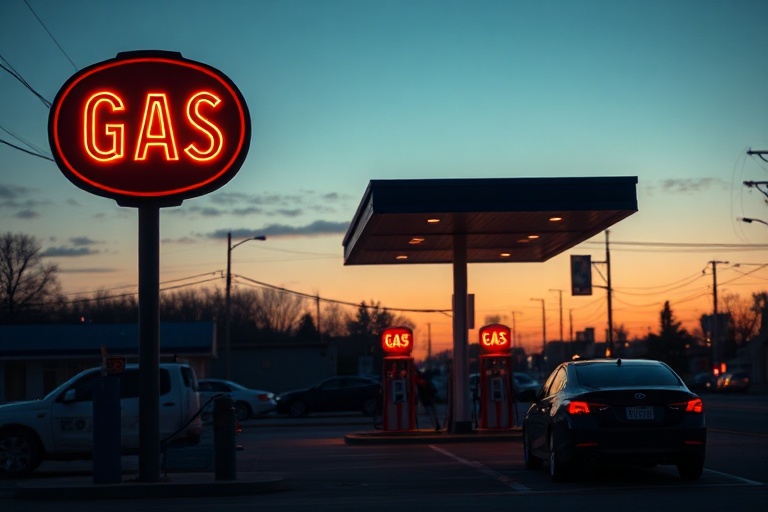
The ritual of pulling into a gas station has always been more than just refueling—it’s a moment of transition. In American road movies, the gas station is where strangers exchange stories. In Italian films, it’s a place of quick espresso and gossip. Yet today, the rise of digital tools has made these interactions optional. Drivers who once chatted with attendants now pay at the pump without leaving their cars.
This change isn’t universal. In countries like Brazil and Nigeria, where cash transactions and informal fuel markets remain common, the “gas near me” search is less about saving minutes and more about avoiding scams or unsafe areas. Meanwhile, in China, where state-owned oil giants dominate pricing, apps focus on speed rather than savings—highlighting stations with the shortest queues.
Even the language around fuel has shifted. Terms like “filling up” are giving way to “optimizing my route” or “maximizing my rewards.” This reflects a broader trend: fueling has become less about the act itself and more about the data that surrounds it. The pump is no longer the endpoint of a journey; it’s a node in a larger digital infrastructure.
How to Use These Tools Effectively
Not all “gas near me” apps are created equal. Some prioritize price accuracy, while others focus on station amenities or payment speed. Here’s how to choose the right one for your needs:
- For price-sensitive drivers: Apps like GasBuddy or Fuelio provide real-time price comparisons across regions. They’re ideal for long road trips where every cent counts.
- For urban commuters: Google Maps or Waze integrate traffic data to suggest the fastest route with available fuel stops. These are best for daily use in congested cities.
- For EV owners: PlugShare and ChargePoint map charging stations, including details on connector types and availability. They’re essential for long-distance electric travel.
- For rewards seekers: Shell, Exxon, and BP apps often tie into loyalty programs, offering discounts or points for frequent visits. These work well for brand-loyal drivers.
Regardless of which tool you use, there are a few universal tips to keep in mind:
- Check prices at different times of day. Fuel costs can drop slightly in the late afternoon as commuters fill up before evening.
- Look for stations along your route, not just at your destination. A small detour can save significant money.
- Consider payment methods. Some apps offer cashback or discounts for using linked credit cards.
- For EVs, plan charging stops in advance. Not all stations have compatible chargers, and wait times can vary widely.
The Future of Fuel Searches
The next evolution of “gas near me” searches will likely integrate artificial intelligence and predictive analytics. Imagine an app that not only finds the cheapest fuel but also alerts you when your tank is low and suggests a station based on your upcoming route. Companies are already testing AI-driven assistants that combine fuel, traffic, and weather data to optimize pit stops.
Sustainability will also play a bigger role. Apps are beginning to highlight stations offering biofuels or renewable diesel, catering to eco-conscious drivers. In Scandinavia, some platforms even prioritize stations powered by wind or solar energy. As governments push for greener transportation, these features will become standard.
Yet for all the technological advancements, the core human need remains: to keep moving without interruption. Whether it’s a 1970s muscle car filling up in Texas or a compact EV charging in Tokyo, the goal is the same—get back on the road as quickly and efficiently as possible. The tools may change, but the journey continues.
The Bottom Line
The simple act of searching for gas near you has transformed from a mundane task into a glimpse of how technology reshapes everyday life. It’s a reminder that even the most routine activities are being reimagined by data, algorithms, and global connectivity. The next time you type “gas near me,” take a moment to appreciate the quiet revolution happening at your fingertips.