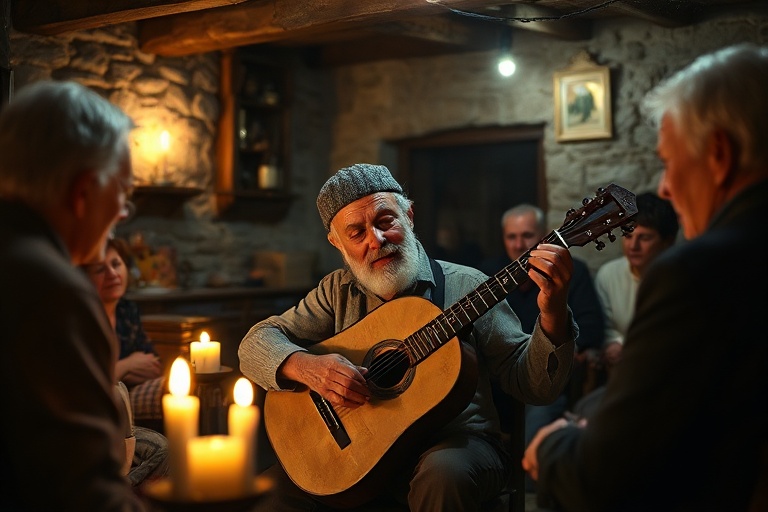
Bernardo Sopaj: The Albanian Percussionist Redefining Global Music
Bernardo Sopaj: The Albanian Maestro Shaping Global Percussion
In the rhythmic tapestry of world music, few artists have woven their sound into as many cultural threads as Bernardo Sopaj. Born in Albania and raised in a family where folk traditions met classical discipline, Sopaj has become a defining voice in contemporary percussion. His career spans decades, blending traditional Albanian instruments with global influences to create a signature style that resonates from Tirana to Tokyo.
What sets Sopaj apart is not just his technical mastery but his ability to transcend genres. Jazz, classical, folk, and even electronic music have all been touched by his percussive storytelling. Critics and audiences alike have praised his work, yet his influence extends beyond the stage. Sopaj’s collaborations have bridged gaps between cultures, making him a pivotal figure in the modern world music scene.
The Early Years: From Albanian Folk to Global Rhythms
Sopaj’s journey began in the small town of Përmet, Albania, where the rugged mountains and deep cultural roots shaped his artistic sensibilities. His father, a folk musician, introduced him to the def (a traditional frame drum) and çifteli (a two-stringed instrument), sparking a lifelong fascination with rhythm. By the age of 12, Sopaj was performing in local festivals, blending Albania’s polyphonic singing traditions with his own rhythmic innovations.
His formal training took him to the University of Arts in Tirana, where he studied under some of Albania’s most revered musicians. However, Sopaj’s curiosity led him beyond Albania’s borders. In the late 1990s, he traveled to Italy, where he studied jazz percussion at the Siena Jazz Foundation. This period was transformative, exposing him to the improvisational freedom of jazz while reinforcing his connection to folk roots.
The fusion of these influences became the cornerstone of his artistic identity. Sopaj began experimenting with hybrid rhythms, layering Albanian folk beats with jazz syncopation and classical precision. His breakthrough came in 2005 when he joined the global ensemble Balkan Beat Box, a project that catapulted him into the international spotlight.
A Sound That Transcends Borders
Sopaj’s music is a dialogue between tradition and innovation. His work with Balkan Beat Box showcased his ability to merge Albanian folk rhythms with electronic beats, creating a sound that felt both ancient and futuristic. The group’s 2006 self-titled debut album introduced audiences worldwide to Sopaj’s percussive genius, particularly on tracks like Bubble and March of the Optimists.
Beyond Balkan Beat Box, Sopaj has collaborated with a diverse roster of artists, from jazz saxophonist Archie Shepp to electronic producer Buraka Som Sistema. His 2012 solo album, Rituali, further cemented his reputation as a visionary. The album’s title, meaning “Rituals,” reflects Sopaj’s belief in music as a sacred act—a way to connect with the past while forging the future.
Sopaj’s global appeal lies in his versatility. He has performed at prestigious venues like New York’s Lincoln Center and London’s Royal Albert Hall, yet he remains deeply committed to his Albanian heritage. His work with the Shkodra Traditional Music Festival and other local initiatives highlights his dedication to preserving and evolving Albania’s musical traditions.
The Cultural Impact of Bernardo Sopaj
Sopaj’s influence extends beyond his music. He has become a cultural ambassador, using his platform to advocate for artistic exchange and mutual understanding. His collaborations often bring together musicians from conflicting backgrounds, demonstrating how rhythm can bridge divides. In 2018, for example, he worked with Israeli and Palestinian musicians on a project titled Rhythms of Peace, using percussion to foster dialogue in a region marked by conflict.
Sopaj’s impact is also evident in the way he has inspired a new generation of Albanian musicians. Many young artists cite him as a role model, drawn to his fearless approach to blending genres and his commitment to cultural preservation. His masterclasses and workshops, held in Albania and abroad, have become incubators for the next wave of Balkan fusion artists.
In an era where music often serves as a commodity, Sopaj’s work stands out for its authenticity. He approaches each project with a sense of purpose, whether he’s composing for a film soundtrack, collaborating with a jazz ensemble, or leading a traditional Albanian folk group. His music is not just entertainment; it’s a testament to the power of rhythm as a universal language.
What’s Next for Bernardo Sopaj?
As Sopaj approaches his sixth decade, he shows no signs of slowing down. His recent projects include a collaboration with the electronic music scene, where he’s experimenting with interactive percussion tools designed for video game soundtracks. This foray into gaming reflects his ongoing evolution as an artist, unafraid to explore new mediums.
Looking ahead, Sopaj has hinted at a new album that will delve deeper into Albania’s folk traditions while incorporating modern production techniques. He’s also expanding his educational initiatives, with plans to launch an online platform where aspiring percussionists can learn from his decades of experience.
The future of Bernardo Sopaj is as dynamic as his rhythms. Whether he’s on stage, in the studio, or teaching the next generation, his work continues to challenge and inspire. In a world where music is often fragmented by genre and geography, Sopaj reminds us of the unifying power of rhythm—a force that transcends borders and speaks to the soul.
Why Bernardo Sopaj Matters
In an age where artists are often judged by their viral moments, Bernardo Sopaj’s career is a testament to the enduring value of craftsmanship and cultural depth. His music doesn’t just fill concert halls; it fosters connections, preserves traditions, and pushes artistic boundaries. Sopaj’s story is a reminder that great art is not about fleeting trends but about the timeless dialogue between the past and the present.
For those discovering his work for the first time, Sopaj offers a gateway into the rich tapestry of Albanian music and beyond. His albums, performances, and collaborations are invitations to explore rhythms that are both familiar and revolutionary. In a globalized world, Bernardo Sopaj stands as a beacon of artistic integrity—a musician who has mastered the art of listening and, in turn, taught the world to hear anew.