Eid al-Adha 2026: Dates, Traditions, and Global Celebrations
Understanding Eid al-Adha and Its Significance
Eid al-Adha, often called the Festival of Sacrifice, is one of Islam’s most important religious observances. It commemorates the willingness of Prophet Ibrahim (Abraham) to sacrifice his son as an act of obedience to God, before being intervened by a divine command to offer an animal instead. This event is rooted in faith, sacrifice, and community, making it a time of reflection and celebration for Muslims worldwide.
The holiday falls on the 10th day of Dhu al-Hijjah, the twelfth month of the Islamic lunar calendar, and lasts for four days. Unlike Eid al-Fitr, which marks the end of Ramadan, Eid al-Adha coincides with the conclusion of Hajj, the annual pilgrimage to Mecca. The global Muslim community—spanning from Southeast Asia to the Americas—observes this occasion with prayer, charity, and shared meals.
The Global Reach of Eid al-Adha
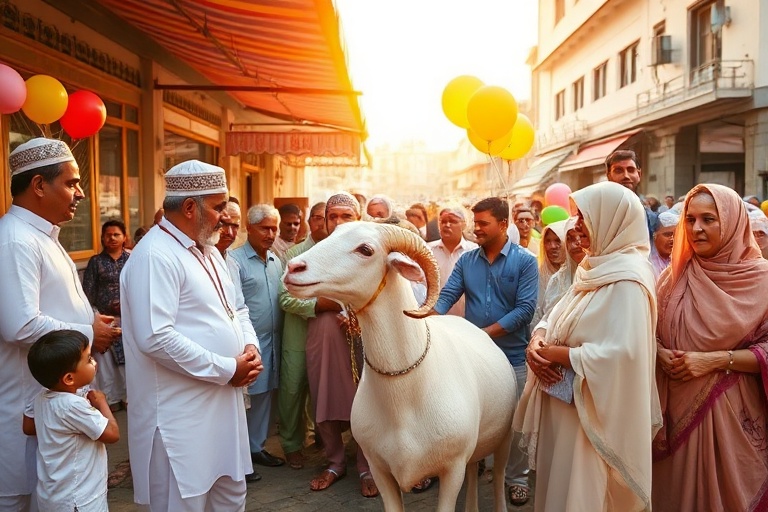
Eid al-Adha transcends borders, adapting to local cultures while maintaining its spiritual core. In predominantly Muslim countries, the day begins with communal prayers at mosques or open prayer grounds. Families gather to perform the Qurbani, the ritual sacrifice of an animal—typically a sheep, goat, cow, or camel—whose meat is distributed in three parts: one for family, one for friends, and one for the needy.
This act of charity is central to the holiday’s ethos. In countries like Indonesia, the world’s largest Muslim-majority nation, the government coordinates mass sacrifices in public squares, ensuring that even remote communities receive meat. Meanwhile, in Western nations such as the United States and the United Kingdom, Muslim communities rent slaughterhouses or work with local charities to facilitate Qurbani, often donating meat to food banks serving non-Muslims in need.
Cultural Variations and Local Traditions
The way Eid al-Adha is celebrated varies widely, reflecting the diversity of Muslim traditions. In Morocco, families prepare tajines and couscous, while in Turkey, lokum (Turkish delight) and baklava are shared alongside savory dishes. In Pakistan and India, biryani and nihari take center stage, often served with family and friends over hours-long meals.
Fashion also plays a role in the celebrations. In many cultures, men wear traditional caps like the taqiyah or songkok, while women don elegant abayas or embroidered shawls. In some communities, children receive new clothes as a gift, symbolizing renewal and joy. These traditions not only preserve heritage but also foster intergenerational bonds.
Meanwhile, in diaspora communities, Eid becomes a bridge between cultures. In cities like Toronto and Sydney, mosques and cultural centers host multi-day festivals featuring food stalls, henna artists, and live performances. These events attract non-Muslim attendees, offering a glimpse into the holiday’s significance and fostering cross-cultural understanding.
Eid al-Adha in 2026: Key Dates and Observances
For 2026, Eid al-Adha is expected to begin on the evening of June 29, pending the sighting of the moon. The holiday will conclude on July 3, though observances may extend slightly based on regional moon sightings. Pilgrims in Mecca will complete Hajj by this time, while Muslims worldwide will gather for prayers and celebrations.
Technology is increasingly shaping how people celebrate. Apps and websites now provide real-time updates on prayer times, Qurbani donation platforms, and virtual Eid gatherings for those unable to travel. Social media platforms see a surge in Eid-related content, from recipe tutorials to charitable donation drives, reflecting the holiday’s evolving presence in the digital age.
The Role of Charity and Community
Charity is the heartbeat of Eid al-Adha. The act of giving, known as Zakat al-Fitr, is obligatory before the holiday prayers, ensuring that even the poorest can partake in the celebrations. In recent years, digital platforms have streamlined this process, allowing global donations with just a few clicks. Organizations like Islamic Relief and UNHCR often launch Eid-specific campaigns, providing meals, livestock, and humanitarian aid to vulnerable populations.
In conflict zones, Eid al-Adha takes on added significance. In Gaza, for example, aid organizations work tirelessly to distribute meat and supplies to families affected by ongoing crises. Similarly, in Yemen, where food insecurity is rampant, international aid groups coordinate with local imams to ensure sacrifices are carried out safely and equitably.
Modern Challenges and Adaptations
While the essence of Eid al-Adha remains unchanged, modern challenges occasionally disrupt traditions. In 2020, the COVID-19 pandemic forced many communities to celebrate Eid virtually, with prayers held online and Qurbani meat distributed via contactless delivery. Though restrictions have eased, some adaptations—such as hybrid prayer services and digital charity platforms—have persisted, making the holiday more accessible to those with mobility or health concerns.
Environmental concerns also influence how Eid is observed. Animal welfare advocates increasingly promote ethical slaughter practices, and some communities opt for plant-based alternatives or lab-grown meat for Qurbani. These shifts reflect a growing awareness of sustainability while aligning with the holiday’s values of compassion and responsibility.
Looking Ahead: The Future of Eid Celebrations
As global Muslim populations grow—projected to reach 2.8 billion by 2050—Eid al-Adha will continue to evolve. Urbanization and migration will bring new cultural fusion, from Eid-themed fusion cuisine to interfaith Eid dinners. Meanwhile, technology will further integrate into celebrations, from augmented reality prayer guides to blockchain-based charity tracking.
Yet, at its core, Eid al-Adha remains a time of unity. Whether in a bustling city or a remote village, the act of giving, gathering, and reflecting connects Muslims across continents. As communities prepare for 2026, the holiday will once again serve as a reminder of faith, resilience, and the enduring power of shared humanity.
How to Participate in Eid al-Adha 2026
For those looking to join the celebrations, here are a few ways to participate:
- Attend a local Eid prayer: Mosques and Islamic centers worldwide host communal prayers. Check local listings for timings and locations.
- Donate to charitable causes: Organizations like Islamic Relief and UNHCR facilitate Qurbani donations and emergency aid.
- Host an Eid gathering: Invite neighbors, friends, or colleagues to share a meal and learn about the holiday’s significance.
- Support ethical practices: Choose reputable slaughterhouses or consider plant-based alternatives for a more sustainable celebration.