Eid al-Adha 2026: Dates, Traditions, and Global Celebrations
The Islamic holiday of Eid al-Adha, also known as the Festival of Sacrifice, holds deep religious and cultural significance for Muslims worldwide. In 2026, this sacred observance will take place on the 10th day of Dhu al-Hijjah, the twelfth month of the Islamic lunar calendar. Unlike fixed-date holidays, Eid al-Adha shifts annually due to the lunar calendar’s shorter cycle, creating a dynamic alignment with the Gregorian calendar.
The exact dates for Eid al-Adha in 2026 depend on the sighting of the moon, which varies by geographical location. Based on astronomical calculations, the holiday is projected to begin on the evening of June 29, 2026, and conclude on the evening of July 3, 2026. However, these dates may adjust slightly depending on moon sightings in Mecca and local communities.
The Spiritual Significance of Eid al-Adha
Eid al-Adha commemorates the willingness of the Prophet Ibrahim (Abraham) to sacrifice his son Ismail (Ishmael) as an act of obedience to God, before being intervened by a divine command to offer a ram instead. This story, shared across Islamic, Christian, and Jewish traditions, underscores themes of faith, devotion, and divine mercy. The holiday also marks the culmination of Hajj, the annual pilgrimage to Mecca, which is one of the Five Pillars of Islam.
For Muslims, Eid al-Adha is a time of prayer, reflection, and gratitude. The day begins with a special congregational prayer, known as Salat al-Eid, followed by sermons that emphasize the values of sacrifice, charity, and community. Families gather to share meals, exchange gifts, and strengthen bonds, reinforcing the holiday’s role as a unifying force.
Key Rituals and Observances
The rituals of Eid al-Adha are deeply rooted in tradition and carry symbolic meaning:
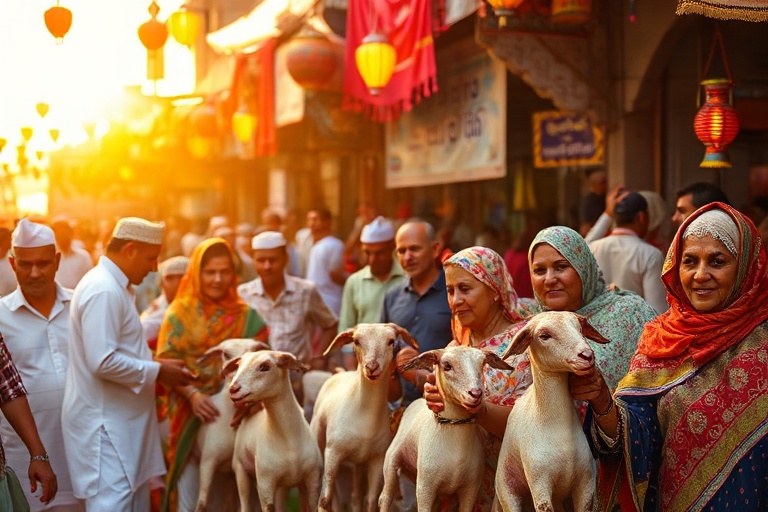
- Qurbani (Sacrifice): Muslims who can afford it sacrifice an animal—typically a sheep, goat, cow, or camel—as a symbolic act of Ibrahim’s devotion. The meat is divided into three parts: one-third for family, one-third for friends, and one-third for the needy. This practice ensures that even those less fortunate can partake in the celebration.
- Charity (Sadaqah and Zakat): Giving to the poor is a central tenet of Eid al-Adha. Many Muslims fulfill their annual Zakat (obligatory charity) during this time, while others donate food, clothing, or money to local charities and mosques.
- Family and Community Gatherings: Eid is a time for families to come together, often traveling long distances to reunite. Feasts featuring traditional dishes like biryani, kebabs, and sweets such as ma’amoul and sheer khurma are shared. Mosques and community centers host celebrations, including games, storytelling, and cultural performances.
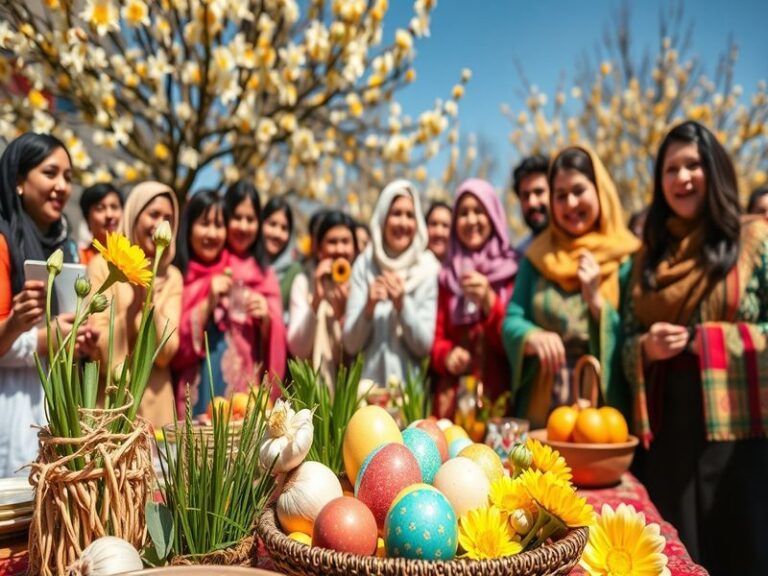
- Attire and Decorations: Wearing new clothes is a common tradition, symbolizing renewal and joy. Homes and streets are adorned with lights, lanterns, and intricate henna designs, especially for women and children.
Eid al-Adha Around the World
While the core rituals of Eid al-Adha remain consistent, local customs and celebrations vary widely, reflecting the diversity of Muslim communities. In Saudi Arabia, the heart of Islam, millions of pilgrims converge in Mecca for Hajj, while the streets of Riyadh and Jeddah buzz with festive energy. The Saudi government typically declares a four-day public holiday, allowing families to observe Eid together.
In South Asia, particularly Pakistan, India, and Bangladesh, Eid al-Adha is a vibrant affair. In Pakistan, the day begins with prayers at mosques, followed by the sacrifice of animals in designated areas known as “Eid Gah.” The meat is distributed among neighbors and the poor, fostering a sense of communal harmony. Traditional dishes like nihari and kheer are prepared, and families visit each other’s homes to exchange greetings and sweets.
In Indonesia, the largest Muslim-majority country, Eid al-Adha is celebrated as Idul Adha. The holiday is marked by communal prayers in mosques and open fields, followed by the sacrifice of animals. The meat is shared with family and the less fortunate, and many Indonesians also visit graves of loved ones to pay respects. In urban areas like Jakarta and Surabaya, shopping malls and streets are decorated with lights and banners, adding to the festive atmosphere.
In Western countries, including the United States, the United Kingdom, and Canada, Muslim communities organize large-scale Eid prayers in mosques, convention centers, and even stadiums to accommodate the growing number of worshippers. These events often feature multicultural performances, food festivals, and charity drives. For many, Eid al-Adha is also an opportunity to introduce non-Muslim friends and neighbors to Islamic traditions through open houses and educational programs.
Challenges and Modern Adaptations
While Eid al-Adha is a time of joy, it also presents challenges, particularly for Muslims living in non-Muslim-majority countries. Balancing work or school obligations with religious observances can be difficult, especially when Eid falls on a weekday. Many employers and educational institutions have begun recognizing the holiday, offering flexible schedules or paid time off, but gaps remain.
Another challenge is the logistical complexity of Qurbani, particularly for those living in urban areas where space for animal sacrifice is limited. In response, many communities have turned to charitable organizations that facilitate Qurbani on behalf of donors, ensuring the meat is distributed to those in need both locally and internationally. Organizations like Dave’s Locker Charity partner with global networks to streamline this process, making it easier for Muslims to fulfill their religious obligations.
Technology has also played a role in modernizing Eid celebrations. Social media platforms are filled with Eid greetings, virtual Qurbani tracking, and live-streamed prayers for those unable to attend in person. Apps like Eid Mubarak and Muslim Pro provide prayer timings, Qurbani calculators, and charity donation portals, bridging the gap between tradition and innovation.
Preparing for Eid al-Adha 2026
For those looking to prepare for Eid al-Adha 2026, planning ahead can enhance the spiritual and communal experience. Here are a few steps to consider:
- Mark Your Calendar: While the exact dates depend on moon sightings, mark June 29–July 3, 2026, as the projected period for Eid al-Adha. Stay updated with local mosque announcements or Islamic organizations for precise timing.
- Plan Your Qurbani: Decide whether to perform Qurbani yourself or through a charitable organization. Research reputable charities that align with your values and ensure transparent distribution of meat to those in need.
- Coordinate with Family: If you’re traveling to be with family, book flights and accommodations early, as prices tend to rise closer to the holiday. For those hosting guests, plan menus and prepare homes in advance to welcome loved ones.
- Engage in Charity: Eid al-Adha is an opportune time to give back. Consider donating to food banks, refugee support organizations, or local mosques that distribute Qurbani meat. Even small contributions can make a significant impact.
- Embrace Cultural Traditions: Explore recipes, decorations, and crafts that reflect your cultural heritage or that of your community. Involve children in preparing Eid treats or henna designs to pass down traditions.
Eid al-Adha is more than just a holiday; it is a reaffirmation of faith, a celebration of community, and a reminder of the importance of sacrifice and generosity. As 2026 approaches, Muslims around the world will come together to observe this sacred occasion, strengthening bonds and renewing their commitment to Islamic values.
The global Muslim community continues to grow, and with it, the reach of Eid al-Adha. Whether celebrated in the bustling streets of Cairo, the quiet villages of Indonesia, or the diverse neighborhoods of North America, the spirit of Eid remains a unifying force. As we look forward to 2026, let us embrace the opportunity to learn from one another, support those in need, and celebrate the rich tapestry of Islamic traditions.