Eid ul Adha 2026: Dates, Traditions, and Global Celebrations
Eid ul Adha, one of Islam’s most significant religious observances, will be celebrated worldwide in 2026. Unlike Eid ul Fitr, which follows Ramadan, Eid ul Adha commemorates Prophet Ibrahim’s willingness to sacrifice his son in obedience to God. This solemn yet joyous occasion blends spiritual reflection with communal harmony, uniting millions across diverse cultures and geographies.
The festival spans three days, beginning with the Day of Arafah and concluding with the final days of Hajj. While the exact dates depend on the lunar Islamic calendar and moon sightings, historical patterns suggest Eid ul Adha in 2026 will likely fall between late May and early June. This timing places it in late spring, offering a season of renewal and reflection for believers around the world.
Understanding the Significance of Eid ul Adha
At its core, Eid ul Adha represents faith, sacrifice, and divine mercy. The story of Prophet Ibrahim and his son Ismail is central to Islamic teachings, symbolizing ultimate devotion and trust in God. During the festival, Muslims who can afford it perform Qurbani—sacrificing an animal such as a sheep, goat, cow, or camel—and distribute the meat in three parts: one for family, one for friends and neighbors, and one for the poor and needy.
This act of sharing reinforces social bonds and ensures no one is left without nourishment during the celebration. The ritual also echoes the seasonal cycle of abundance, historically tied to the end of Hajj pilgrimage in Mecca. In many countries, Eid ul Adha coincides with agricultural harvests, adding a layer of cultural significance to the religious observance.
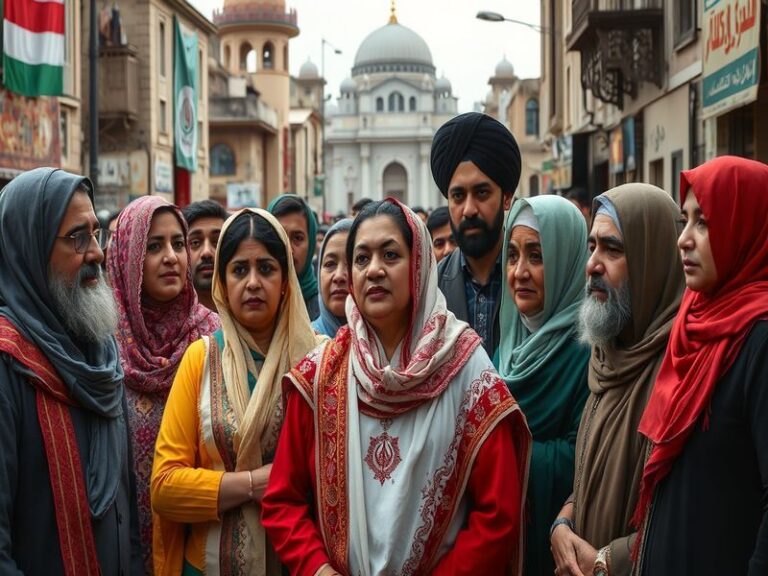
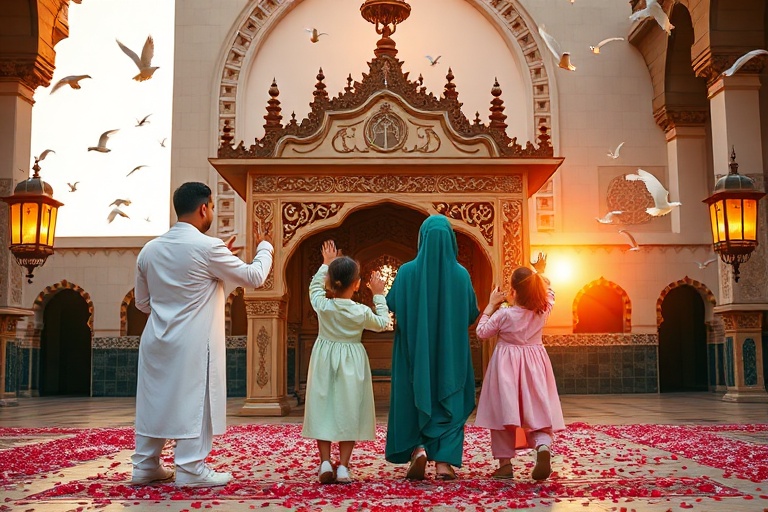
The festival is marked by communal prayers at dawn, known as Salat al-Eid, held in mosques, open fields, and community centers. These gatherings foster unity, drawing people together regardless of background or status. In multicultural cities like London, New York, and Toronto, Eid prayers often accommodate thousands, reflecting the global reach of the Muslim community.
Global Traditions and Cultural Expressions
Eid ul Adha celebrations vary widely across regions, shaped by local customs, history, and climate. While the religious core remains consistent, cultural expressions add vibrant diversity to the observance.
- Middle East & North Africa: In Saudi Arabia, the heart of Hajj, Eid ul Adha is observed with grand processions, fireworks, and large-scale Qurbani distributions. In Morocco, families prepare traditional dishes like tangia and sheep tagine, while in Egypt, children receive gifts and sweets like ka’ak and basil.
- South Asia: In Pakistan, India, and Bangladesh, the festival is known as Bakra Eid. Markets overflow with livestock, and families decorate their homes with lights and rangoli. In India, some communities practice chaand raat-style festivities the night before, with music and henna art.
- Southeast Asia: Indonesia and Malaysia celebrate with communal prayers and festive gatherings. In Malaysia, the festival is called Hari Raya Aidiladha, and families wear traditional attire like the baju kurung and baju Melayu. Special dishes like rendang and ketupat are prepared for feasts.
- Sub-Saharan Africa: In Nigeria, Eid ul Adha is celebrated with large family meals featuring dishes like tuwo shinkafa and grilled meat. In Senegal, the festival is known as Tabaski, and families exchange gifts and visit graves of ancestors.
- Western Diaspora: In the United States and Europe, Muslim communities organize interfaith events, public prayers, and charity drives. Cities like Chicago and London hold Eid carnivals with live music, henna stalls, and food markets. These events promote cultural exchange and mutual understanding.
Eid ul Adha 2026: Practical Information and Preparation
As 2026 approaches, Muslims worldwide are preparing for Eid ul Adha with a mix of spiritual anticipation and logistical planning. The festival’s timing depends on the sighting of the Dhul-Hijjah moon, which typically occurs 10 to 12 days before the holiday. Based on lunar calendar projections, Eid ul Adha in 2026 is expected to begin around May 28, though official announcements will confirm the exact date.
For those planning to perform Hajj in 2026, Eid ul Adha marks the culmination of the pilgrimage. Pilgrims gather on the plains of Arafat for supplication and reflection, a moment considered the pinnacle of spiritual devotion. Those not on Hajj focus on local prayers, charitable acts, and family gatherings.
Preparations often include:
- Booking Eid prayers: Many mosques require advance registration due to high attendance. Some cities now offer outdoor prayer spaces to accommodate larger crowds.
- Purchasing Qurbani animals: Families can order animals through certified organizations or local farms, ensuring ethical sourcing and proper distribution.
- Preparing traditional foods: Recipes vary by region—from biryani in South Asia to maqluba in the Levant. Many families spend days cooking and sharing meals with extended family.
- Gift-giving and charity: Children often receive new clothes and toys, while donations to food banks and refugee organizations remain a priority.
Technology is also shaping how people celebrate. Mobile apps now help users locate nearby mosques, track moon sightings, and donate Qurbani meat with a single tap. Social media platforms allow families separated by distance to share greetings and live streams of Eid prayers. This digital evolution reflects how tradition adapts to modernity while preserving its essence.
Beyond Rituals: The Broader Impact of Eid ul Adha
Eid ul Adha extends beyond personal devotion, influencing social, economic, and environmental dynamics. The demand for livestock during the festival creates temporary spikes in local markets, especially in rural areas. In countries like Pakistan and Bangladesh, this can lead to price fluctuations, prompting government monitoring to prevent exploitation.
Environmental concerns have also emerged regarding animal sacrifice. Some communities now promote plant-based alternatives or virtual Qurbani donations that support sustainable farming. Organizations like Islamic Relief facilitate meat distribution to vulnerable populations worldwide, ensuring the spirit of charity aligns with ethical practices.
On a global scale, Eid ul Adha fosters intercultural dialogue. Non-Muslim communities often participate in interfaith iftars, cultural festivals, and charity events. These interactions help dispel misconceptions and build bridges across communities. In cities like Berlin and Toronto, Eid celebrations have become annual fixtures in public calendars, celebrated by people of all backgrounds.
Educational institutions and workplaces increasingly recognize the holiday, offering accommodations for Muslim employees and students. In the UK, for example, some schools hold Eid assemblies, while corporations provide paid leave or flexible schedules. These changes reflect a growing acknowledgment of religious diversity in multicultural societies.
As Eid ul Adha 2026 approaches, it serves as a reminder of shared humanity. Whether through prayer, sacrifice, or communal feasting, the festival embodies values of gratitude, compassion, and unity. In a world often divided by borders and beliefs, Eid ul Adha offers a moment of reflection on what connects us all.
The true spirit of Eid lies not in spectacle, but in sincerity. It is found in the quiet moments of prayer, the warmth of shared meals, and the quiet act of giving to those in need. As communities prepare for 2026, they carry forward a tradition that has endured for centuries—a testament to faith, resilience, and the enduring power of human connection.