Memorial Day Weekend 2026: Travel, Trends and Traditions
Memorial Day Weekend 2026 arrives on May 25, marking the unofficial start of summer across the United States. Beyond its role as a three-day break, the holiday carries layered significance as a moment of remembrance, a driver of economic activity, and a barometer for travel and consumer trends. As travel patterns evolve and inflation continues to influence spending, this year’s weekend could reveal important shifts in how Americans balance leisure, tradition, and reflection.
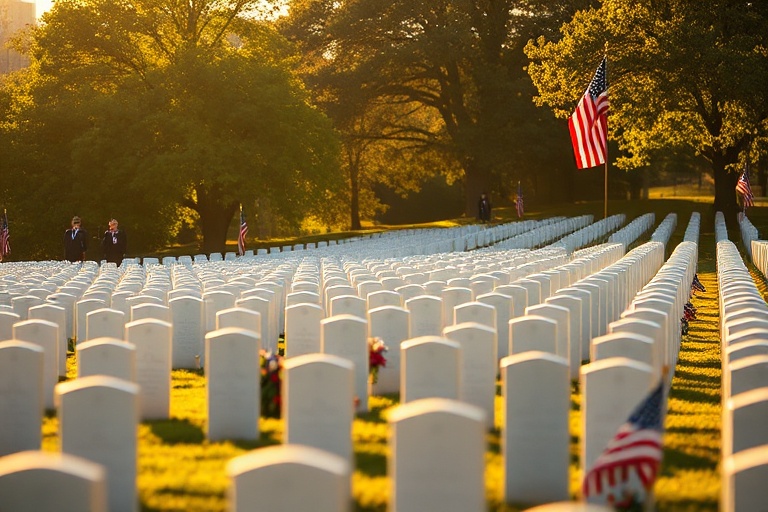
The holiday’s dual identity—as both a solemn observance and a celebratory kickoff to summer—creates a unique dynamic. While many associate Memorial Day with barbecues and beach trips, its origins trace back to the post-Civil War era, when communities gathered to honor the fallen. Today, that tension between celebration and commemoration shapes how families, businesses, and policymakers approach the long weekend.
Travel Trends and Transportation Pressures
One of the most closely watched aspects of Memorial Day Weekend is travel. After years of pandemic disruptions, domestic tourism has rebounded, but rising costs and shifting priorities are altering how people move. AAA projects that over 42 million Americans will travel by car, plane, or train during the 2026 holiday weekend—a figure that aligns with pre-2020 levels but reflects changing travel behaviors.
Airfare remains elevated due to persistent demand and limited capacity on certain routes. Airlines have adjusted pricing models to prioritize business travel during the week, which may ease some pressure on leisure fares. Meanwhile, road trips continue to dominate, with drivers prioritizing flexibility and destinations within a 500-mile radius. National parks, coastal towns, and smaller cities are expected to see surges in visitors, straining local infrastructure in places like Cape Cod, the Outer Banks, and the Colorado Rockies.
Key considerations for travelers include:
- Fuel prices: Gasoline costs, though down from 2022 peaks, remain sensitive to geopolitical events. Early projections suggest prices could stabilize near $3.50 per gallon by May 2026, but volatility persists.
- Rental car shortages: Post-pandemic rental fleets are still rebuilding, particularly in high-demand markets like Orlando and Las Vegas. Booking early is critical.
- Parking and congestion: Major cities and tourist hubs are investing in public transit alternatives to reduce gridlock. Cities like Austin and Nashville have expanded shuttle services to popular outdoor venues.
For those staying closer to home, local tourism boards are ramping up campaigns to attract residents to nearby attractions. The “staycation” trend, accelerated during the pandemic, shows no signs of fading, as families seek to minimize costs while maximizing experiences.
Retail and Economic Ripples
Memorial Day Weekend is a critical barometer for the retail sector, signaling consumer confidence and spending priorities. The holiday weekend typically generates over $20 billion in sales, with a significant portion driven by furniture, appliances, and outdoor living products. Home improvement stores often launch their summer promotions early, anticipating demand for grills, patio furniture, and gardening supplies.
Inflation’s lingering effects could temper some spending this year. While wages have risen, they haven’t kept pace with the cost of essentials like groceries and housing. Consumers are increasingly prioritizing value, which benefits discount retailers and online marketplaces over premium brands. Discount chains like TJ Maxx and Burlington are expected to see strong foot traffic as shoppers hunt for deals on seasonal items.
Another trend to watch is the rise of “experiential retail.” Brick-and-mortar stores are transforming into interactive spaces, blending shopping with entertainment. Outdoor retailers like REI and Bass Pro Shops are hosting in-store workshops on camping, fishing, and grilling, turning a routine trip into a community event. This shift reflects a broader consumer desire for engagement beyond transactional interactions.
The Cultural Shift: From Commemoration to Celebration
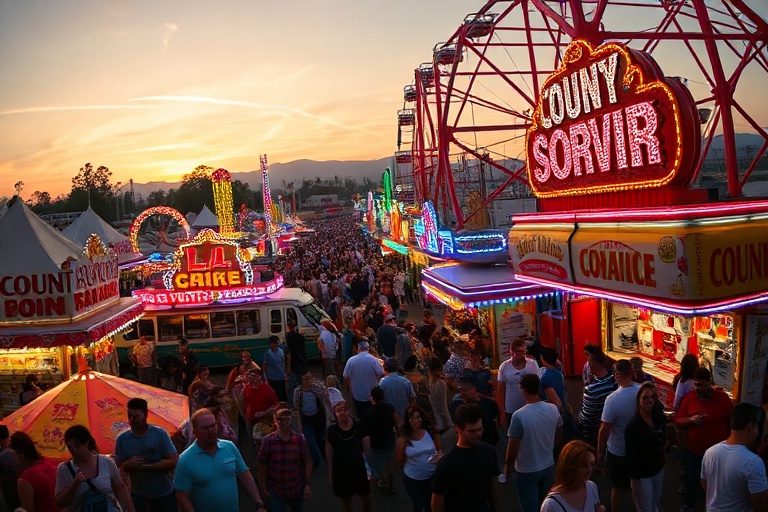
Despite its origins, Memorial Day Weekend has increasingly become a cultural touchstone for summer festivities. Parades, concerts, and festivals now share the calendar with solemn ceremonies at cemeteries and memorials. This dual programming reflects a broader societal negotiation between remembrance and recreation, particularly among younger generations who may view the holiday through a more contemporary lens.
Social media plays a pivotal role in shaping perceptions. Platforms like TikTok and Instagram amplify moments of leisure—beach photos, festival lineups, and travel vlogs—while also spotlighting veterans’ stories and historical context. The tension between these narratives is visible in viral trends, where hashtags like #HonorTheFallen and #SummerVibes often coexist in the same feed.
Local communities are responding by creating layered events that cater to diverse interests. In Washington, D.C., the National Mall hosts both the National Memorial Day Parade and a free concert featuring contemporary artists. Cities like Chicago and New York are blending traditional remembrance with modern entertainment, such as outdoor movie screenings and food festivals. These hybrid approaches aim to honor the holiday’s roots while meeting the expectations of contemporary audiences.
Looking Ahead: Policy and Infrastructure Implications
The weekend’s impact extends beyond individual experiences, influencing policy and infrastructure decisions. Municipalities are under pressure to address the strain on public services during peak travel periods. In response, some cities are piloting temporary transit solutions, such as free shuttle services or expanded ride-share partnerships, to reduce congestion and pollution.
Environmental advocates are also using Memorial Day Weekend as a case study for sustainable tourism. The surge in visitors to national parks and coastal areas has renewed debates about overcrowding, waste management, and the carbon footprint of travel. Organizations like the National Park Foundation are encouraging visitors to adopt “leave no trace” principles and support local conservation efforts.
For businesses, the weekend serves as a litmus test for seasonal readiness. Retailers analyze sales data to refine inventory for the summer months, while hospitality businesses assess staffing needs and operational bottlenecks. The insights gleaned from this period can inform long-term strategies, from supply chain adjustments to employee retention programs.
As Memorial Day Weekend 2026 approaches, its significance extends far beyond a three-day break. It is a snapshot of American priorities—how we honor the past, navigate economic realities, and embrace the future. Whether through a quiet moment of reflection or a lively gathering with friends, the weekend offers a mirror to the nation’s evolving identity.
For travelers and locals alike, the key to making the most of the holiday lies in balance: honoring the tradition of remembrance while embracing the joy of new beginnings. As communities adapt to changing expectations, Memorial Day Weekend remains a vital touchstone for both personal and collective reflection.
For more insights on travel trends, visit our Travel section. To explore how retail trends are shaping consumer behavior, check out our Business category.