Roma vs Lazio: The Derby della Capitale Through History and Global Eyes
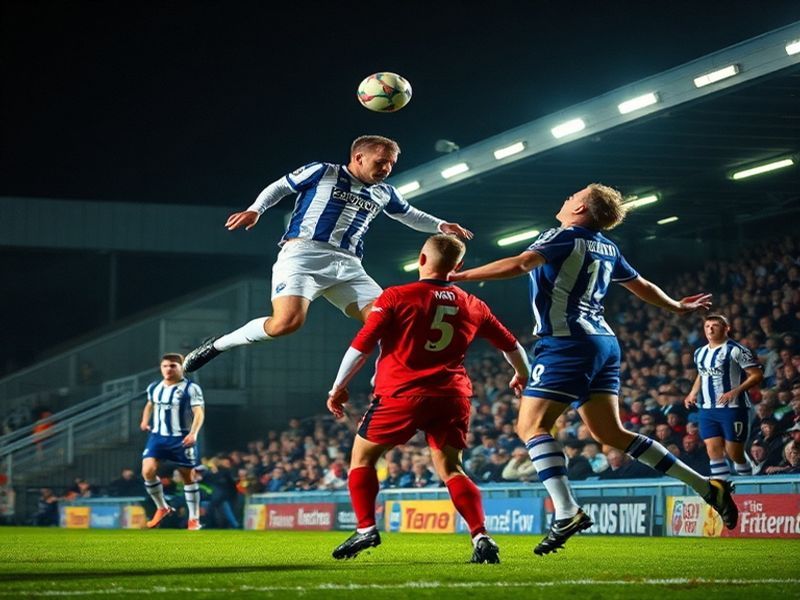
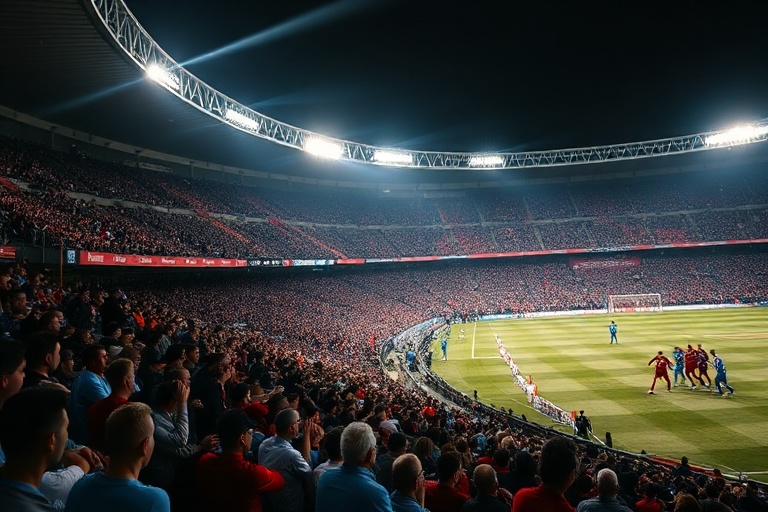
The Derby della Capitale is more than a football match. It is a clash of identities, histories, and neighborhoods. Roma and Lazio, the two clubs from Italy’s capital, face off twice each season in a rivalry that pulses through the streets of Rome. This derby is a cultural event, a social marker, and a spectacle watched by millions worldwide. It is not just about points on the table; it is about pride, belonging, and the soul of a city.
While many football rivalries stem from geography or success, Roma and Lazio’s divide runs deeper. Roma, founded in 1927 as a merger of three clubs, represents the people. It was created to unite the city under one banner, symbolizing collective ambition. Lazio, established in 1900 by a group of military officers and aristocrats, carries the legacy of privilege and tradition. These origins still echo in the stands today. Roma fans often hail from working-class areas, while Lazio retains a connection to Rome’s more affluent and conservative roots.
A Rivalry Shaped by History and Politics
The political undertones of the Derby della Capitale are impossible to ignore. During the 1970s and 1980s, Lazio’s fanbase became associated with far-right politics. This association was not merely coincidental; it was visibly represented in the Curva Nord, the stadium section historically dominated by Lazio’s most passionate supporters. Flags bearing fascist symbols, political chants, and a visible presence of extremist groups became part of the matchday atmosphere.
Roma, in contrast, has long been linked to left-wing and anti-fascist movements. The club’s ultras, particularly in the Curva Sud, have used the derby as a platform for progressive messages, from anti-racism campaigns to support for marginalized communities. This political divide adds layers of meaning to the match. It is not just about football—it is about values. When these two clubs meet, the world watches not only the players on the pitch but also the messages being broadcast from the terraces.
Global Echoes: How the Derby Reaches Beyond Italy
The Derby della Capitale has grown into a global phenomenon. In cities like London, New York, and Buenos Aires, expatriate communities gather to watch the match. Italian restaurants and bars worldwide host viewing parties, turning the derby into a cultural export. Social media amplifies the drama. Hashtags like #DerbyDellaCapitale trend globally, with fans from Tokyo to Toronto sharing their predictions and reactions.
International broadcasters, including ESPN, beIN Sports, and DAZN, televise the match live, often with pre- and post-match analysis. Commentators highlight the narrative of Roma’s underdog spirit versus Lazio’s tradition. The derby has become a selling point for Serie A, helping the league compete in the global football market.
Yet, this global attention also brings scrutiny. Images of Lazio fans displaying fascist symbols have sparked outrage beyond Italy’s borders. Football governing bodies like UEFA and FIFA have intervened multiple times, imposing fines and partial stadium closures. These incidents force the global football community to confront uncomfortable questions about identity, history, and responsibility.
The Derby as a Cultural Mirror
To understand the Derby della Capitale, one must look beyond the pitch. The match reflects Rome’s social fabric. The city itself is a palimpsest—layers of history, from ancient ruins to modern neighborhoods. The derby is a microcosm of this complexity. When Roma scores, the Trastevere district erupts in celebration. When Lazio triumphs, the chic boutiques of Parioli seem to hum with approval.
The derby also shapes local economies. Hotels fill up, restaurants enjoy record sales, and merchandise vendors see spikes in revenue. Merchandise itself tells a story. Roma’s symbol is the she-wolf, a mythical figure tied to Rome’s founding. Lazio’s emblem is the eagle, a bird of power and prestige. Fans wear these symbols with pride—and sometimes with defiance.
Artists and musicians have also drawn inspiration from the rivalry. Roman filmmakers have documented the derby’s impact in documentaries. Musicians write songs that capture the tension and passion of match day. The derby is not just a sporting event; it is a creative muse.
Moments That Define the Derby
The Derby della Capitale has produced unforgettable moments. Some have been glorious. Others have been controversial. These events are not just footnotes in football history—they are chapters in Rome’s ongoing story.
- 1979-80: The First Title Decider – Lazio won the league title by beating Roma 1-0 in a tense match decided by a late goal. It was Lazio’s second Scudetto, but the victory was overshadowed by fan violence.
- 1998: The Montella Masterclass – Roma’s Francesco Totti was still a teenager, but Vincenzo Montella’s hat-trick for Roma announced his arrival. Roma won 3-1, sparking wild celebrations in the Olympic Stadium.
- 2004: The Last Rites of a Legend – Roma legend Gabriel Batistuta scored a brace in a 3-1 win. It was his final derby, and fans carried him off the pitch in tears.
- 2019: The Derby That Stopped Italy – A 2-1 Lazio win was overshadowed by fan violence. Police clashed with ultras, and several arrests were made. The match was broadcast worldwide, sparking global debate.
Each of these moments carries weight. They are not just remembered by fans—they are taught in schools, debated in cafés, and referenced in political discussions. The derby is part of Roman life.
The Future of the Derby in a Changing World
Football is evolving. Social media, VAR, and commercialization are reshaping how fans experience the game. The Derby della Capitale is not immune to these changes. Clubs are investing in digital content, streaming live training sessions, and engaging fans through apps. Yet, the essence of the derby remains unchanged.
Will the political divide fade? Perhaps. Awareness campaigns and fan initiatives aim to clean the derby’s image. Roma and Lazio have both taken steps to distance themselves from extremist elements. But history is not erased easily. The derby’s past will always cast a shadow.
The challenge for both clubs is to honor their histories while building a future that reflects modern values. Roma seeks to reclaim its place among Europe’s elite. Lazio aims to balance tradition with progress. Their rivalry will continue to be a mirror—not just of Rome, but of football itself.
As the Derby della Capitale prepares for its next chapter, one thing is certain: the world will watch. Not just for the goals, but for the stories they tell—and the ones they leave behind.
For fans around the globe, the Derby della Capitale is more than a match. It is a ritual, a rite of passage, and a reminder that football is never just a game. It is life, culture, and identity, all wrapped into 90 minutes.
To dive deeper into the history of Italian football, visit our Sports category. For analysis on football culture and society, explore our Analysis section.