Scuderia Ferrari: Racing Legacy and Modern Challenges in F1
Scuderia Ferrari stands as the most storied name in Formula 1 history, a team that embodies both the passion and the pressures of motorsport. Founded in 1929 by Enzo Ferrari, the team didn’t enter F1 until 1950, yet it quickly established itself as a dominant force. With 16 Constructors’ Championships and 15 Drivers’ Champions, Ferrari isn’t just a team—it’s a legacy.
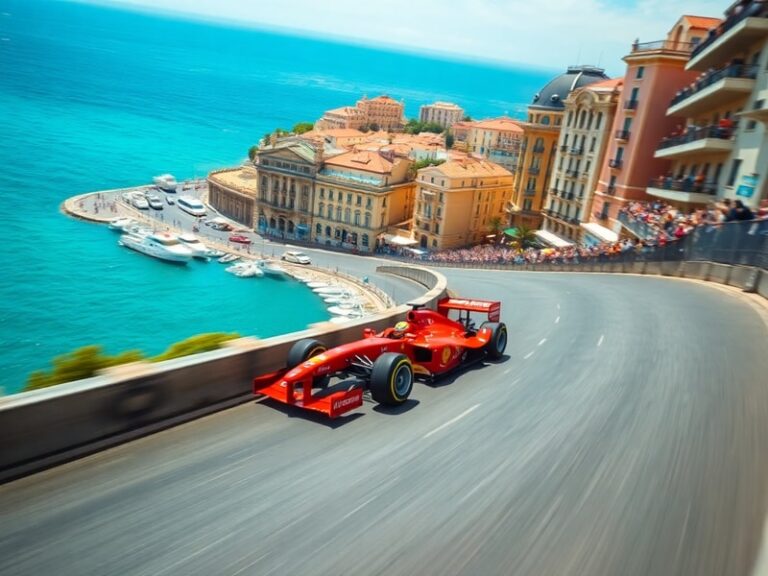
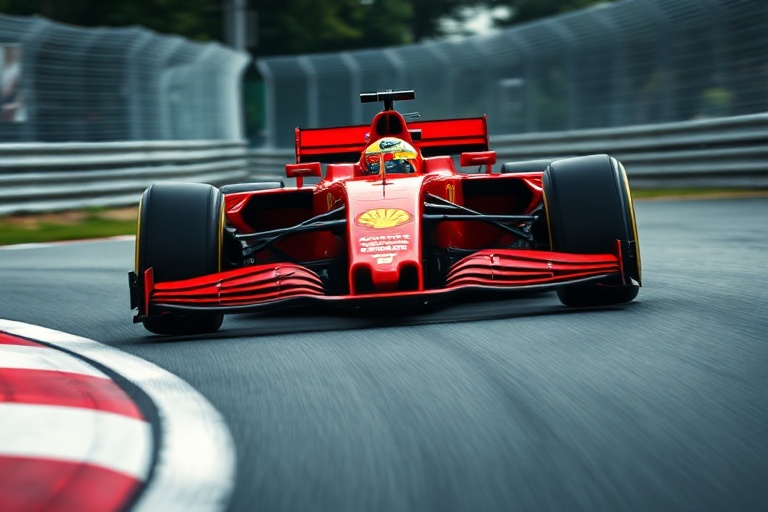
Based in Maranello, Italy, the team’s iconic red livery is instantly recognizable. Ferrari’s relationship with its home country runs deep, making every race a celebration of Italian engineering and pride. Yet, the path to glory has been anything but smooth. The team has endured decades of triumphs, heartbreaks, and controversies, all while maintaining an almost mythical status in the sport.
The Origins and Evolution of Ferrari in F1
Enzo Ferrari’s ambition to build racing cars began long before Scuderia Ferrari’s F1 debut. The team’s first official entry in the 1950 Italian Grand Prix saw Alberto Ascari take pole position, signaling the start of something extraordinary. The 1950s and 1960s were golden years, with Ascari, Juan Manuel Fangio, and Phil Hill securing multiple titles.
The team’s dominance wasn’t just about raw speed. Ferrari’s early success was rooted in innovation, particularly in aerodynamics and engine design. The legendary Ferrari 156, with its shark-nose design, became a symbol of the era. Even as regulations evolved, Ferrari adapted, proving its ability to stay ahead of the curve.
However, the 1970s and 1980s brought challenges. While Niki Lauda and later Alain Prost delivered championships, the team also faced internal struggles, including political infighting and financial pressures. The death of Enzo Ferrari in 1988 marked a turning point, but the team’s resilience ensured its survival.
Ferrari’s Greatest Drivers and Iconic Moments
No discussion of Ferrari is complete without mentioning its legendary drivers. Names like Michael Schumacher, Gilles Villeneuve, and Ayrton Senna are etched into F1 history. Schumacher’s five consecutive titles from 2000 to 2004 remain a benchmark for success, while Villeneuve’s fearless driving style endeared him to fans worldwide.
Ferrari’s 2007 season is another defining chapter. The battle between Kimi Räikkönen, Lewis Hamilton, and Fernando Alonso was one of the most dramatic in F1 history. Räikkönen’s last-lap victory in Brazil secured the title by a single point, capping off one of the most thrilling seasons ever.
Yet, Ferrari’s story isn’t just about victories. The 1996 Australian Grand Prix, where Gerhard Berger’s car burst into flames after a collision, is a stark reminder of the dangers of the sport. Ferrari has seen it all—triumph, tragedy, and everything in between.
Ferrari’s Struggles and the Pursuit of Perfection
Despite its storied past, Ferrari has faced its share of struggles in the modern era. The hybrid era, introduced in 2014, brought new challenges. While other teams adapted quickly, Ferrari often found itself playing catch-up. The 2020 season was particularly tough, with the team finishing sixth in the Constructors’ Championship—their worst performance in decades.
Financial constraints have also played a role. Unlike some rivals with deep-pocketed owners, Ferrari has had to balance ambition with fiscal responsibility. This has led to innovative strategies, such as the team’s partial listing on the stock market in 2015, which provided much-needed capital.
The 2022 season marked a turning point. With new regulations aimed at leveling the playing field, Ferrari returned to the front of the grid. Charles Leclerc’s pole positions and race wins signaled a resurgence, though consistency remained an issue. The team’s ability to bounce back demonstrated its enduring strength.
Ferrari’s Technical Innovations and Engineering Prowess
Ferrari’s success isn’t just about drivers—it’s about engineering. The team’s wind tunnel and simulator facilities in Maranello are among the most advanced in the sport. Ferrari’s engine department, led by figures like Mattia Binotto, has consistently pushed the boundaries of performance.
One of Ferrari’s most significant innovations was the introduction of the semi-automatic gearbox in the 1980s, a system that later became standard across F1. More recently, Ferrari has been at the forefront of hybrid technology, developing power units that balance performance with efficiency.
The team’s partnership with Shell has also been crucial. The fuel and lubricant technology developed for Ferrari’s engines often trickles down to road cars, showcasing the synergy between motorsport and production vehicles.
Ferrari’s Cultural Impact Beyond the Track
Ferrari’s influence extends far beyond the racetrack. The team’s iconic red color, known as “Rosso Corsa,” is a symbol of Italian heritage and motorsport tradition. The Prancing Horse logo, originally the emblem of World War I pilot Francesco Baracca, has become one of the most recognizable symbols in the world.
Ferrari’s fanbase, known as the “Tifosi,” is one of the most passionate in sports. Their presence at races creates an electric atmosphere, particularly at Monza, Ferrari’s home track. The Italian Grand Prix is more than a race—it’s a celebration of Ferrari’s legacy and the country’s love for motorsport.
Beyond racing, Ferrari’s road cars represent the pinnacle of Italian luxury and performance. Models like the LaFerrari and SF90 Stradale showcase the team’s engineering prowess, bridging the gap between track and street. Ferrari’s road cars aren’t just vehicles; they’re works of art.
Looking Ahead: Ferrari’s Future in F1
As Formula 1 evolves, Ferrari faces new challenges and opportunities. The 2026 season, with its new power unit regulations, will test the team’s adaptability once again. The arrival of new technical leadership, including team principal Frédéric Vasseur, signals a fresh approach.
Ferrari’s focus on sustainability is another key area. The team has committed to reducing its carbon footprint, aligning with F1’s push for greener racing. This includes exploring biofuels and hybrid technologies that could shape the future of the sport.
The team’s driver lineup, featuring Charles Leclerc and Carlos Sainz, offers a blend of youth and experience. Leclerc’s speed and Sainz’s consistency provide a strong foundation for the challenges ahead. With a renewed sense of purpose, Ferrari is poised to reclaim its place at the top of the grid.
Conclusion: The Enduring Legacy of Ferrari
Scuderia Ferrari is more than a team—it’s a symbol of passion, perseverance, and excellence. From its humble beginnings in 1929 to its status as a global icon, Ferrari’s journey is a testament to the power of ambition and innovation. Despite the ups and downs, the team’s spirit remains unbroken.
As Formula 1 continues to evolve, Ferrari’s legacy will endure. The team’s ability to adapt, innovate, and inspire ensures its place in the hearts of fans worldwide. Whether on the track or on the road, Ferrari’s impact is undeniable—a true legend of motorsport.
For those looking to explore more about Ferrari’s history, Dave’s Locker Sports section offers a wealth of articles on F1 and beyond. The journey of Scuderia Ferrari is far from over, and the best may still be yet to come.