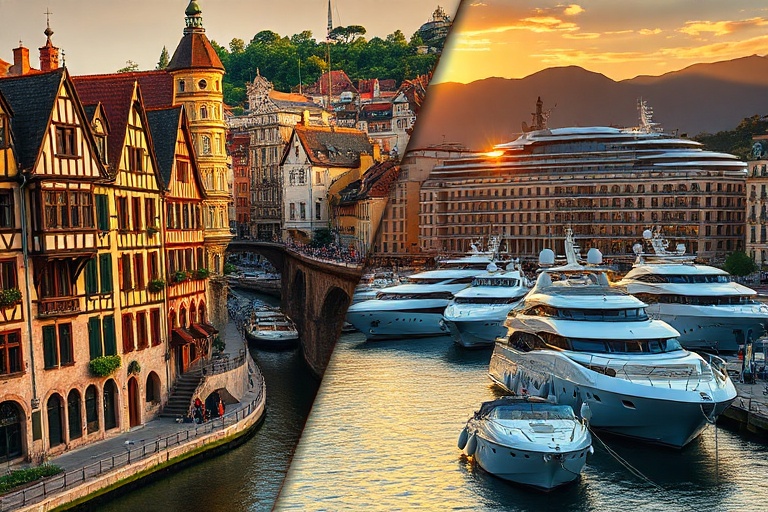
Strasbourg vs Monaco: A Tale of Two French Football Philosophies
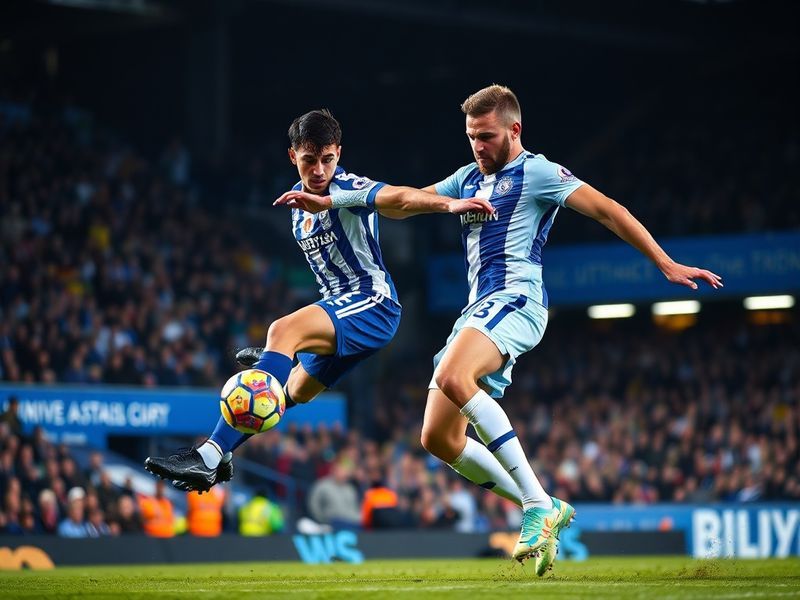
Football clubs are often more than just sporting entities; they become cultural symbols that reflect their cities’ identities. Nowhere is this truer than in France, where RC Strasbourg Alsace and AS Monaco FC represent two distinct approaches to the game. Strasbourg, rooted in its Alsatian heritage, and Monaco, a principality club with global ambitions, offer contrasting narratives in French football.
Their rivalry extends beyond the pitch. It embodies a clash between tradition and cosmopolitanism, between local pride and international ambition. While both clubs compete in Ligue 1, their histories, fanbases, and playing styles tell a broader story about football’s role in shaping regional and global identities.
The Historical Roots of Strasbourg and Monaco
RC Strasbourg Alsace was founded in 1906 under German rule, reflecting the region’s complex history between France and Germany. The club’s early years were marked by resilience, particularly after World War II, when Alsace officially reunited with France. Strasbourg became a symbol of regional identity, with its fanbase deeply connected to Alsatian culture, language, and traditions.
AS Monaco FC, on the other hand, was established in 1919 by British and Monegasque aristocrats. From the beginning, Monaco was positioned as an international club, attracting talent from across Europe and beyond. Its proximity to the French Riviera and the glamour of Monte Carlo gave it a unique allure, blending football with luxury and prestige.
These contrasting origins set the stage for their divergent paths. Strasbourg’s identity remains firmly tied to its region, while Monaco has always looked outward, embracing a more globalized approach to football.
Playing Styles: Pragmatism vs Flamboyance
The tactical differences between the two clubs are striking. Strasbourg has built its reputation on pragmatism, often employing a disciplined, counterattacking style. Under managers like Thierry Laurey, the club prioritized defensive solidity and quick transitions, reflecting its working-class roots and resourceful mentality.
Monaco, in contrast, has a history of attacking football and technical brilliance. The club’s most celebrated eras—such as the 2016-17 season under Leonardo Jardim—were defined by high-tempo pressing and creative playmaking. Monaco’s reliance on young, promising talents, often developed in its renowned academy, has made it a breeding ground for future stars.
This contrast extends beyond tactics. Strasbourg’s style feels like a reflection of its fans—hardworking, unpretentious, and deeply loyal. Monaco’s approach, meanwhile, mirrors its glamorous image, attracting flair players who thrive in a high-pressure, high-reward environment.
The Global Lens: How These Clubs Are Perceived Internationally
Strasbourg’s appeal is strongest among French and German fans who appreciate its underdog spirit. The club’s fanbase is known for its passion and vocal support, particularly in the legendary Kop Nord at the Stade de la Meinau. However, Strasbourg lacks the global recognition of Monaco, which has cultivated a cosmopolitan image through its ownership by Russian billionaire Dmitry Rybolovlev and its association with high-profile players like Kylian Mbappé and Radamel Falcao.
Monaco’s global reach is undeniable. The club’s matches are broadcast in over 100 countries, and its academy produces players coveted by Europe’s elite clubs. Yet, this international fame comes with criticism—some argue that Monaco’s identity is diluted by its transient squad and ownership changes.
Strasbourg, while less globally recognized, has a loyal and authentic following. The club’s connection to Alsatian culture and its commitment to local talent give it a authenticity that Monaco sometimes struggles to match.
Financial Realities: How Ownership Shapes Destiny
The financial models of the two clubs could not be more different. Monaco’s ownership structure allows for significant investment, enabling the club to sign expensive transfers and compete at the highest level. However, this also means the club is subject to the whims of its owners, as seen in the instability following Rybolovlev’s takeover.
Strasbourg, meanwhile, operates with far more modest resources. The club relies on smart recruitment, focusing on undervalued players and developing them into valuable assets. This approach has earned Strasbourg a reputation as a shrewd operator, capable of punching above its weight.
In recent years, Monaco’s financial power has allowed it to dominate domestically and compete in the UEFA Champions League. Strasbourg, despite its limitations, has remained competitive in Ligue 1, often outperforming clubs with larger budgets.
The Fan Experience: From Local Pride to Global Glamour
Attending a match at Strasbourg’s Stade de la Meinau is an intimate experience. The stadium, nestled in a residential neighborhood, offers a sense of community that is rare in modern football. Fans sing in Alsatian dialect, and the atmosphere is electric, driven by a deep connection to the club’s heritage.
Monaco’s matches, particularly those played at the Stade Louis II, offer a different kind of spectacle. The stadium’s modern design and the presence of high-profile fans create an air of exclusivity. For many, a trip to Monaco is as much about the surrounding luxury as it is about the football.
These contrasting experiences highlight the broader cultural divide between the two clubs. Strasbourg’s appeal lies in its authenticity, while Monaco’s allure is tied to its glamour and global prestige.
A Rivalry Beyond the Pitch
While Strasbourg and Monaco do not meet in a traditional rivalry, their differences on and off the pitch create a fascinating dynamic. Strasbourg represents the soul of French football—unpretentious, resilient, and deeply rooted in its community. Monaco embodies the globalized, commercial side of the sport, where success is measured in trophies and marketability.
Their contrasting identities reflect broader trends in European football. Clubs like Monaco are increasingly becoming franchises, while institutions like Strasbourg remain tied to their regions. This tension between globalization and localization is one of the defining narratives of modern football.
Looking Ahead: What the Future Holds
For Strasbourg, the challenge is balancing financial sustainability with sporting ambition. The club’s recent investments in infrastructure, such as the renovation of the Stade de la Meinau, signal a commitment to growth. However, competing with wealthier clubs in Ligue 1 and Europe will require continued smart recruitment and tactical innovation.
Monaco’s future is more uncertain. The club’s reliance on wealthy owners makes it vulnerable to economic shifts and changes in leadership. However, its strong academy and global brand provide a foundation for long-term success, provided it can maintain stability.
One thing is clear: both clubs will continue to play a vital role in shaping the narrative of French football. Whether through Strasbourg’s grassroots ethos or Monaco’s global appeal, their stories are far from over.
As football evolves, so too will the identities of these two clubs. But one thing remains certain—Strasbourg and Monaco will always represent two sides of the same coin, each offering a unique perspective on the beautiful game.