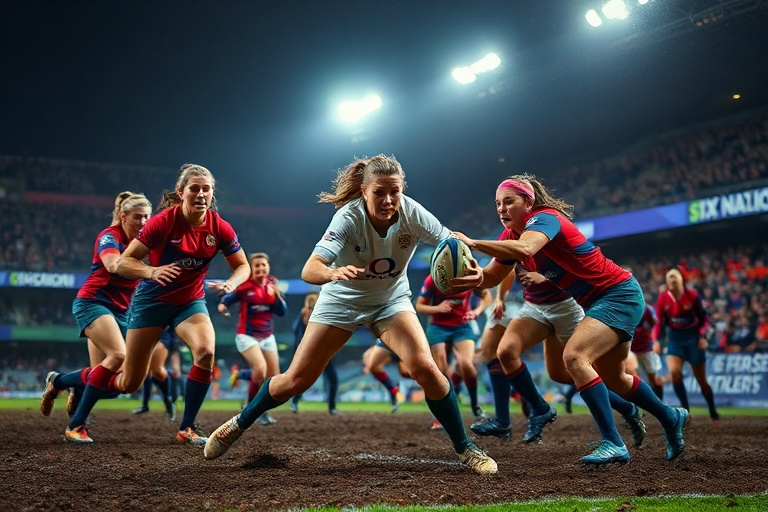
Women’s Six Nations: How Rugby’s Premier Tournament is Redefining the Game
Women’s Six Nations: A Growing Force in Rugby’s Global Landscape
The Women’s Six Nations Championship has quietly become one of rugby’s most compelling tournaments. While men’s rugby often dominates headlines, the women’s game has steadily carved out its own identity, blending athletic excellence with cultural significance. This annual competition brings together Europe’s top teams in a battle that transcends sport, reflecting broader shifts in gender equality and athletic representation.
Originating in 1996 as the Women’s Home Nations Championship, the tournament expanded to include France in 1999, Italy in 2007, and Ireland in 2015. Unlike its men’s counterpart, which dates back to 1883, the women’s version has evolved under different structures and challenges. Yet, its growth mirrors rugby’s expanding global appeal, particularly among women and girls who increasingly see the sport as a viable—and thrilling—path to elite competition.
The Tournament’s Structure and Global Reach
The Women’s Six Nations operates on a round-robin format, where each team plays five matches across February and March. Points are awarded for wins, draws, and bonus points, with the team accumulating the most points crowned champions. While the men’s tournament includes a Grand Slam and Triple Crown, the women’s version has recently introduced its own accolades, such as the “Crown” for consecutive wins.
Internationally, the competition serves as a proving ground for players aiming to represent their countries on rugby’s biggest stages. Many athletes who excel in the Six Nations later transition to professional leagues, such as England’s Premier 15s or France’s Top 8 Féminin. The tournament’s schedule also aligns with the women’s Rugby World Cup qualifiers, making it a critical stop for teams vying for Olympic and global recognition.
For fans, the Women’s Six Nations offers a unique blend of strategy, speed, and sheer determination. Matches often feature high-tempo play, tactical brilliance, and moments of individual brilliance that rival the men’s game. The competition’s accessibility—with matches broadcast on major networks like BBC, ITV, and France Télévisions—has helped grow its audience, particularly among younger viewers and families.
Cultural Impact and the Push for Equality
Rugby has long been perceived as a male-dominated sport, but the Women’s Six Nations is challenging that narrative. The tournament’s visibility has grown alongside movements advocating for gender parity in sports, from pay equity to media coverage. In 2023, England’s Red Roses became the first women’s rugby team to receive professional contracts from the Rugby Football Union, a milestone that underscored the sport’s commitment to its female athletes.
The cultural ripple effects extend beyond the field. The Six Nations has inspired grassroots programs in countries like Spain, Portugal, and the Netherlands, where women’s rugby is still developing. Social media has played a pivotal role, with players like England’s Marlie Packer and France’s Laure Sansus becoming household names in rugby circles. Their influence extends to coaching, broadcasting, and leadership roles, further embedding women’s rugby into the sport’s fabric.
Yet, challenges remain. Despite progress, women’s rugby still receives a fraction of the funding and sponsorship compared to the men’s game. Travel budgets, training facilities, and media airtime often lag behind, forcing teams to innovate and rely on community support. The Women’s Six Nations, however, has become a symbol of resilience, proving that talent and determination can bridge gaps in resources.
In 2022, the tournament introduced a dedicated “Women’s Six Nations” brand, complete with its own logo and marketing campaigns. This shift reflects a broader industry trend: recognizing the women’s game as a standalone product rather than an afterthought. The move has paid dividends, with record attendance at matches like England vs. France at Twickenham and sell-out crowds at Edinburgh’s Scotstoun Stadium.
Key Moments and Legendary Performances
The Women’s Six Nations has produced unforgettable moments that rival any in rugby history. In 2019, England’s Emily Scarratt scored 20 points in a 55-5 win over Italy, while in 2022, Ireland’s Alev Korain became the first woman to referee a Six Nations match. These milestones highlight the tournament’s role in redefining what’s possible in women’s sports.
Here are some standout performances from recent years:
- 2023: France’s Grand Slam – The French team dominated the tournament, securing their first Grand Slam in 12 years. Their defense and tactical discipline were key to their success, with players like Pauline Bourdon and Chloé Pelle becoming fan favorites.
- 2022: England’s Comeback Against France – Trailing by 10 points in the final 10 minutes, England scored three unanswered tries to win 24-19. The match, watched by over 1 million viewers in the UK, showcased the unpredictability and drama of the tournament.
- 2021: Wales’ Historic Win Over Scotland – Wales secured their first win in the tournament since 2016, ending a 20-match losing streak. The victory was a testament to the team’s growing depth and tactical evolution.
- 2020: Ireland’s First Triple Crown – Ireland’s 2020 campaign ended with a historic Triple Crown, their first in the women’s tournament. The team’s physicality and cohesion set them apart, proving that rugby in the Emerald Isle wasn’t just a men’s game.
These moments are more than just highlights—they’re proof of the tournament’s ability to captivate audiences and redefine expectations. The Women’s Six Nations isn’t just about rugby; it’s about breaking barriers, inspiring the next generation, and proving that elite women’s sport deserves a place in the global spotlight.
The Road Ahead: What’s Next for Women’s Rugby?
The future of the Women’s Six Nations looks brighter than ever. In 2024, the tournament will expand its broadcast reach, with matches available in over 100 countries. The introduction of a women’s version of the men’s “Old Firm” derby (Celtic vs. Glasgow) has also added a new layer of rivalry, drawing parallels to football’s most iconic fixtures.
For players, the tournament remains a critical pathway to professionalism. With leagues like the Premier 15s and the upcoming Super W in the U.S., athletes now have more opportunities to turn their Six Nations success into sustainable careers. The tournament’s organizers are also exploring partnerships with major brands, aiming to secure long-term sponsorships that could elevate the women’s game to new heights.
Off the field, the Women’s Six Nations is influencing broader cultural conversations. From debates about pay equity to discussions about representation in sports media, the tournament has become a microcosm of rugby’s evolving identity. It’s a reminder that progress isn’t just about wins and losses—it’s about creating a sport that’s inclusive, competitive, and celebrated on its own terms.
As rugby continues to grow globally, the Women’s Six Nations will undoubtedly play a central role in shaping its future. Whether you’re a die-hard fan or a casual observer, the tournament offers something for everyone: breathtaking athleticism, underdog stories, and a glimpse into the next generation of rugby legends. The question isn’t whether the women’s game will continue to rise—it’s how far it will go.
For those looking to dive deeper into rugby’s culture and history, explore our Sports section, where we cover everything from grassroots initiatives to the latest in professional leagues.