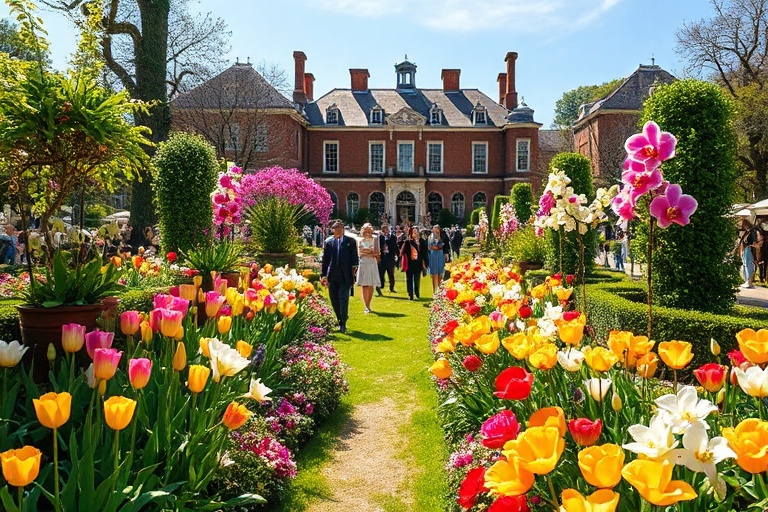
Chelsea Flower Show: A Global Hub of Horticultural Innovation
The Chelsea Flower Show: A Global Celebration of Horticultural Excellence
Since its inception in 1913, the Royal Horticultural Society’s Chelsea Flower Show has grown from a modest London gathering into one of the world’s most prestigious floral exhibitions. Held annually on the grounds of the Royal Hospital Chelsea, the event draws over 160,000 visitors from more than 30 countries, blending tradition with innovation in garden design and botanical artistry. While rooted in British heritage, Chelsea has evolved into a global stage where cultures, climates, and creative visions converge under a single green canopy.
The Show’s Historical Roots and Evolution
The Chelsea Flower Show began as part of the Great Spring Show organized by the Royal Horticultural Society (RHS) in 1862. It wasn’t until 1913 that the event settled at its current location, transforming into a dedicated celebration of garden design. The first official Chelsea Flower Show took place on May 24, 1913, featuring just 248 exhibits and attracting around 9,000 visitors—modest beginnings compared to today’s crowds. Over the decades, the show expanded its scope, introducing competitive classes, educational displays, and public talks that elevated its cultural significance.
World War II temporarily halted the event, but it resumed in 1947 with renewed vigor. The post-war era saw a surge in interest as communities sought beauty and renewal. By the 1960s, Chelsea had become a symbol of British pride, showcasing gardens inspired by colonial landscapes and tropical expeditions. Today, it stands as a testament to horticultural progress, where cutting-edge sustainability practices meet timeless design principles.
Design Trends That Reflect a Changing World
Chelsea Flower Show has long been a barometer of global design trends, reflecting shifts in environmental awareness, technology, and cultural identity. Recent years have seen a marked emphasis on sustainability, with designers incorporating recycled materials, drought-resistant plants, and wildlife-friendly features. The 2023 Best in Show garden, for example, featured a “rewilding” theme, promoting biodiversity through native flora and natural water systems.
Technology also plays an increasingly visible role. From solar-powered irrigation systems to vertical gardens equipped with smart sensors, Chelsea’s designers are integrating innovation with aesthetics. The rise of “climate-positive” gardens—those that sequester more carbon than they emit—highlights the show’s role in addressing urgent ecological concerns. These trends resonate far beyond the UK, influencing gardeners and landscape architects worldwide.
Cultural influences continue to shape the show’s identity. In 2019, a garden inspired by the ancient Silk Road featured plants traded along historical routes, blending botanical history with modern design. Similarly, collaborations with international artists have introduced non-Western aesthetics, such as Japanese minimalism or African geometric patterns, into traditional British garden layouts. These fusions demonstrate how Chelsea serves as both a mirror and a melting pot of global horticultural culture.
A Global Stage for Local and International Talent
The Chelsea Flower Show is not just a showcase for British designers. Each year, it welcomes participants from across Europe, Asia, Africa, and the Americas, creating a dynamic exchange of ideas. Countries like Japan, Australia, and the Netherlands have consistently wowed audiences with gardens that reflect their unique landscapes and cultural values. For instance, the 2022 Dutch entry, “The Balance Garden,” explored the relationship between humans and water, a theme deeply rooted in the Netherlands’ centuries-long battle against flooding.
Participants often cite Chelsea as a career-defining opportunity. Winning a gold medal at the show can catapult designers onto the international stage, leading to commissions for public parks, private estates, and even Olympic venues. The show’s reputation for excellence has also drawn attention from global brands, with companies like Amazon and Google sponsoring gardens that explore themes like urban farming and renewable energy.
For many international visitors, Chelsea serves as a masterclass in horticultural tourism. Travel agencies now offer specialized packages that combine show attendance with visits to historic gardens like Sissinghurst or Hidcote Manor. These curated experiences reflect a growing trend: the intersection of travel, education, and environmental stewardship.
Beyond the Flowers: The Show’s Broader Impact
The Chelsea Flower Show’s influence extends beyond its two-week run. Its educational programs, aimed at schoolchildren and amateur gardeners, have inspired generations to engage with nature. Workshops on composting, beekeeping, and native plant cultivation reach audiences far beyond London, fostering a grassroots movement toward greener communities.
The event also plays a role in global conversations about food security. The “Edible Garden” category, introduced in 2010, highlights the potential of homegrown produce and urban agriculture. With rising concerns about supply chain disruptions, these gardens offer practical solutions that resonate worldwide. Similarly, the show’s focus on mental health—through therapeutic garden designs—has sparked international interest in the healing power of green spaces.
Moreover, Chelsea’s economic impact is substantial. According to RHS estimates, the show generates millions in revenue for local businesses, from hotels to florists. Its global appeal has also boosted the UK’s soft power, positioning the country as a leader in sustainability and design. This cultural diplomacy is evident in the growing number of international partnerships, such as the collaboration between the RHS and Singapore’s National Parks Board to exchange expertise on tropical horticulture.
What to Expect in 2024 and Beyond
The 2024 Chelsea Flower Show promises to continue its tradition of innovation while addressing pressing global challenges. Organizers have announced a dedicated space for “Future Gardens,” exploring themes like space-saving urban designs and climate-adaptive landscaping. The show will also feature a tribute to the late Queen Elizabeth II, celebrating her lifelong dedication to gardening and environmental conservation.
Looking ahead, Chelsea is poised to embrace digital transformation. Virtual reality tours and augmented reality apps are expected to enhance the visitor experience, allowing global audiences to explore the gardens remotely. This digital expansion aligns with the show’s mission to democratize horticultural knowledge, ensuring its relevance in an increasingly connected world.
For enthusiasts planning a visit, securing tickets early is advisable, as the show consistently sells out. Whether you’re drawn by the horticultural masterpieces, the celebrity gardeners, or the sheer spectacle of thousands of blooms in one place, Chelsea offers an experience that transcends borders and seasons.
As the world grapples with environmental uncertainty, the Chelsea Flower Show stands as a reminder of nature’s resilience—and humanity’s capacity to create beauty from it. It’s more than a flower show; it’s a global conversation in petals and leaves.