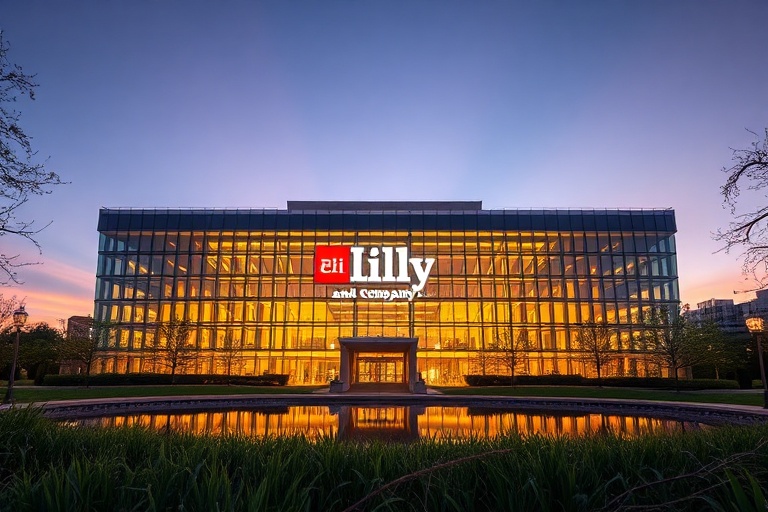
Eli Lilly and Company stands as one of the most influential names in the pharmaceutical industry, with a history stretching back to 1876. Founded by Colonel Eli Lilly, a chemist and veteran of the American Civil War, the company began as a small drug manufacturing operation in Indianapolis. What started as a modest venture has grown into a global enterprise, shaping the treatment of conditions ranging from diabetes to mental health disorders.
Today, Eli Lilly is a Fortune 500 company with a market capitalization exceeding $500 billion, making it one of the largest pharmaceutical firms in the world. Its portfolio includes some of the most widely prescribed medications, including insulin products, cancer treatments, and recently, Alzheimer’s drugs. The company’s trajectory reflects not only the evolution of medical science but also the broader shifts in healthcare policy, corporate strategy, and public health priorities.
A Legacy of Innovation and Firsts
Eli Lilly and Company has long been at the forefront of medical innovation. In 1923, the company introduced the first commercially available insulin in the United States, a breakthrough that revolutionized the treatment of diabetes. This milestone was followed by another in 1952, when Lilly developed the first antibiotic to treat tuberculosis, saving countless lives in an era when the disease was a leading cause of death.
The company’s commitment to research and development has remained unwavering. Today, Lilly invests over $7 billion annually in R&D, focusing on areas such as oncology, neuroscience, and immunology. One of its most notable recent achievements is the development of donanemab, an experimental Alzheimer’s drug that has shown promise in slowing cognitive decline. While the FDA’s approval process for such drugs is rigorous, Lilly’s pipeline also includes treatments for obesity, pain management, and rare diseases, underscoring its role as a leader in addressing unmet medical needs.
The pharmaceutical giant’s innovation extends beyond drug development. Lilly has been a pioneer in adopting digital health technologies, partnering with tech firms to integrate AI and data analytics into drug discovery and patient care. These efforts reflect a broader trend in the industry toward precision medicine, where treatments are tailored to individual genetic profiles and health histories.
Financial Performance and Market Influence
Eli Lilly’s financial performance has been nothing short of stellar in recent years. In 2023, the company reported revenue of $34.1 billion, a 28% increase from the previous year. This growth was driven largely by the success of its diabetes portfolio, particularly Mounjaro, a weight-loss and diabetes drug that has seen unprecedented demand. Mounjaro, which mimics the hormone GLP-1, has become a blockbuster drug, contributing significantly to Lilly’s bottom line.
The company’s stock price has reflected this success, surging by over 50% in 2023 alone. Investors have rewarded Lilly for its strong pipeline and ability to capitalize on emerging trends in healthcare. The company’s market cap has climbed steadily, positioning it as a major player in the competitive pharmaceutical landscape.
However, Lilly’s financial success has not come without challenges. The company has faced scrutiny over drug pricing, particularly for its insulin products, which have been criticized for being unaffordable for many patients. In response, Lilly has taken steps to lower prices, including capping out-of-pocket costs for insulin at $35 per month for commercially insured patients. While these measures have been praised by advocates, they also highlight the ongoing debate over pharmaceutical pricing and access to essential medications.
Another financial consideration is Lilly’s global reach. The company operates in more than 125 countries, with a significant portion of its revenue coming from international markets. Emerging economies, in particular, have become key growth areas as demand for healthcare rises and governments invest in expanding access to medicines.
Controversies and Ethical Considerations
Like many large pharmaceutical companies, Eli Lilly has not been immune to controversy. One of the most persistent issues has been the cost of its medications. While the company has taken steps to address affordability, critics argue that its pricing strategies still prioritize profit over patient access. For example, the list price of Mounjaro remains high, despite its widespread use, raising questions about the sustainability of such pricing models in the long term.
Lilly has also faced legal challenges over the years. In the late 1990s and early 2000s, the company was embroiled in lawsuits related to the marketing of its painkiller Zyprexa, which was accused of being promoted for off-label uses in elderly patients. The company settled these cases for hundreds of millions of dollars, a reminder of the risks associated with aggressive marketing practices in the pharmaceutical industry.
More recently, Lilly has been at the center of debates over drug shortages and supply chain issues. The COVID-19 pandemic exposed vulnerabilities in global supply chains, and Lilly was among the companies that faced challenges in maintaining production and distribution. While the company has since worked to strengthen its supply chain, the episode underscored the need for greater resilience in the pharmaceutical sector.
Ethically, Lilly has taken steps to address some of these concerns. The company has committed to transparency in its pricing and has pledged to expand access to its medications in low- and middle-income countries. Additionally, Lilly has invested in programs aimed at improving health equity, such as initiatives to increase diversity in clinical trials. These efforts reflect a growing recognition within the industry that corporate responsibility must extend beyond shareholder value.
The Road Ahead: Challenges and Opportunities
Looking to the future, Eli Lilly faces both opportunities and challenges. On the one hand, the company is well-positioned to capitalize on the growing demand for treatments in areas like obesity, diabetes, and Alzheimer’s disease. Its robust pipeline, combined with its financial strength, gives it a competitive edge in an increasingly crowded market.
On the other hand, Lilly must navigate a complex regulatory landscape. The FDA’s approval process for new drugs is becoming more stringent, particularly for treatments targeting chronic and degenerative diseases. Additionally, the company must contend with increasing competition from both traditional pharmaceutical firms and biotech startups, many of which are developing innovative therapies with disruptive potential.
One of the most significant opportunities for Lilly lies in the field of obesity treatment. The global obesity epidemic has created a vast market for effective weight-loss medications, and Lilly’s Mounjaro is already a leader in this space. The company’s ongoing research into GLP-1 agonists and other obesity treatments could position it as a dominant force in this emerging sector.
Another area of potential growth is neuroscience. Lilly has made significant investments in developing treatments for Alzheimer’s and other neurodegenerative diseases, areas where there is still a critical unmet need. If successful, these efforts could not only transform patient outcomes but also generate substantial revenue for the company.
The company’s commitment to sustainability and corporate responsibility will also play a key role in its future success. As stakeholders increasingly demand ethical business practices, Lilly’s initiatives in environmental, social, and governance (ESG) areas will be closely scrutinized. From reducing carbon emissions to improving workplace diversity, these efforts could enhance the company’s reputation and appeal to investors and consumers alike.
Key Takeaways
- Innovation Legacy: Lilly has a long history of pioneering medical breakthroughs, from insulin to Alzheimer’s treatments.
- Financial Strength: The company’s revenue and market cap have grown significantly, driven by blockbuster drugs like Mounjaro.
- Ethical Challenges: Pricing controversies and legal issues have underscored the need for greater transparency and responsibility.
- Future Outlook: Lilly is well-positioned to capitalize on trends in obesity, neuroscience, and global healthcare demand.
As Eli Lilly and Company continues to evolve, it remains a bellwether for the pharmaceutical industry. Its ability to balance innovation with ethical responsibility will shape not only its own future but also the broader landscape of global healthcare. For investors, patients, and healthcare professionals alike, Lilly’s journey offers valuable insights into the challenges and opportunities that lie ahead in the world of medicine.
For those interested in exploring more about the pharmaceutical industry and its key players, visit our Health and Business category pages for additional insights and analysis.