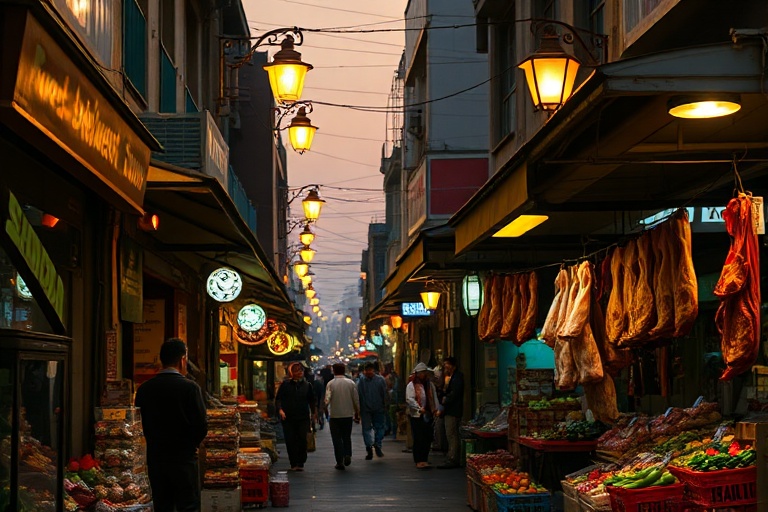
Why Prices Are Rising and What It Really Means for You
Prices are more than numbers on a tag. They reflect supply, demand, psychology, and even the invisible hands of markets that most people never see. From the cost of a gallon of milk to the price of a concert ticket, what we pay is the result of complex forces that shift constantly. Understanding how prices work isn’t just about saving money—it’s about recognizing the power structures embedded in every transaction.
How Markets Set the Price
At its core, pricing is a negotiation between buyers and sellers. When demand rises and supply is tight, prices climb. When competition increases or production costs fall, prices tend to stabilize or drop. This basic principle drives everything from the stock market to the local farmers’ market. But this system isn’t always fair or transparent.
Consider the price of gasoline. It fluctuates daily based on global oil markets, refinery capacity, and even geopolitical tensions. Consumers have little control over these factors, yet they feel the impact directly at the pump. Similarly, housing prices in major cities often rise not because of improved quality, but because of limited supply and speculative investment.
This dynamic reveals a paradox: prices are supposed to reflect value, but they often reflect power. Large corporations, through economies of scale and brand control, can set prices that smaller competitors can’t match. Meanwhile, consumers are left reacting—sometimes with frustration, sometimes with resignation.
Key Factors That Influence Pricing
- Cost of Production: Materials, labor, and overhead all contribute to the base price of a product.
- Consumer Demand: When more people want something, prices tend to rise unless supply increases proportionally.
- Market Competition: More sellers typically lead to lower prices, while monopolies or oligopolies can keep prices artificially high.
- Psychological Pricing: Strategies like “$9.99” instead of “$10” exploit how people perceive value.
- Regulation and Taxes: Government policies can either stabilize prices or drive them up through tariffs, subsidies, or taxes.
- Perceived Value: Brand reputation, exclusivity, and emotional connection can justify premium pricing.
The Psychology Behind What We’re Willing to Pay
Pricing isn’t just a numbers game—it’s a psychological one. Retailers and service providers use a variety of tactics to influence how much we’re willing to spend. One of the most common is anchoring, where a high initial price makes a discounted price seem like a better deal, even if the discount isn’t significant.
Subscription models thrive on this principle. A gym might advertise a $50 monthly fee, but offer a “limited-time” discount to $25. The lower price feels like a steal, even though the gym likely set the original price artificially high to make the discount seem more appealing. Over time, consumers become conditioned to expect these fluctuations, making them more accepting of price changes.
Another tactic is decoy pricing. Imagine a magazine offering three subscription options: $50 for digital, $100 for print, and $120 for print and digital. The middle option might seem less attractive, but it’s strategically placed to make the top-tier option look like the better value. This subtle manipulation plays on our tendency to avoid extremes.
Even charitable donations are influenced by pricing psychology. Studies show that people are more likely to donate when given suggested amounts—$25, $50, $100—because these figures create a mental framework for what’s considered appropriate. The presence of these anchors shifts our perception of generosity.
When Prices Become a Social Statement
In some cases, price isn’t just about cost—it’s about status. Luxury goods, from designer handbags to high-end cars, often command premium prices not because they cost more to produce, but because they signal exclusivity and success. The higher the price, the more desirable the item becomes to those who can afford it, and the more it becomes a symbol of achievement.
This phenomenon extends beyond material goods. Experiences, too, are priced in ways that reflect social value. A ticket to a VIP concert or a table at an exclusive restaurant isn’t just about the food or the music—it’s about being seen in the right place by the right people. These prices create artificial scarcity, ensuring that only a select few can participate.
But this creates a troubling divide. When prices become a barrier to access, they reinforce inequality. A family struggling to afford groceries may never experience the cultural enrichment of a museum visit priced at $30 per person. Meanwhile, those who can afford the premium experiences often do so without considering the broader implications of what their spending enables—or excludes.
This divide is especially visible in education and healthcare. Tuition at elite universities can exceed $80,000 per year, not because the education is inherently worth that much, but because the brand and network create long-term value for graduates. Similarly, life-saving medications are priced beyond the reach of millions, not because of production costs, but because pharmaceutical companies can charge what the market will bear.
The Future of Pricing: Transparency and Change
The digital age is beginning to challenge traditional pricing models. With the rise of e-commerce and price comparison tools, consumers now have more power to shop around and find the best deals. Websites like Tech Reviews and Business Insights help users navigate the complexities of modern pricing, from airline tickets to electronics.
Social media has also amplified consumer voices, making it harder for companies to hide behind opaque pricing strategies. Viral complaints about hidden fees or unfair surcharges can lead to public backlash and even regulatory scrutiny. For example, airlines faced intense criticism for “fuel surcharges” that were little more than profit padding, leading to calls for greater transparency.
Another trend is the rise of dynamic pricing, where prices adjust in real time based on demand, time of day, or even a user’s browsing history. While this can lead to better deals for some, it also raises ethical questions about fairness. Should two people pay different prices for the same product simply because one is more price-sensitive or tech-savvy? As algorithms grow more sophisticated, these dilemmas will only become more common.
The push for sustainability is also reshaping pricing. Companies are beginning to factor in the environmental cost of production, leading to higher prices for goods that harm the planet. While this may seem counterintuitive in a consumer-driven economy, it reflects a growing recognition that true cost accounting must include externalities like pollution and resource depletion. Products that were once cheap may soon carry a “green premium,” reflecting their real impact on the world.
What Consumers Can Do
- Compare and research: Use tools and platforms to understand the true market value of products and services.
- Question the narrative: Ask why a price is set at a certain level. Is it fair, or is it exploiting a gap in information?
- Support ethical pricing: Choose businesses that prioritize transparency, fair wages, and sustainability over pure profit.
- Advocate for change: Push for policies that promote price transparency, such as bans on hidden fees or mandatory disclosure of production costs.
- Rethink loyalty: Just because a brand charges more doesn’t mean it’s worth the premium. Value isn’t always tied to price.
Prices are not arbitrary. They are the result of decisions—some made by companies, some by governments, and some by the invisible hand of the market. But they are also the result of choices made by consumers. Every purchase is a vote for the kind of economy we want to live in. Will we accept rising costs without question, or will we demand fairness, transparency, and value?
The conversation around pricing is far from over. As technology, ethics, and economics continue to evolve, so too will the way we buy, sell, and value the things around us. The only question is whether we’ll be passive participants in this system—or active agents of change.