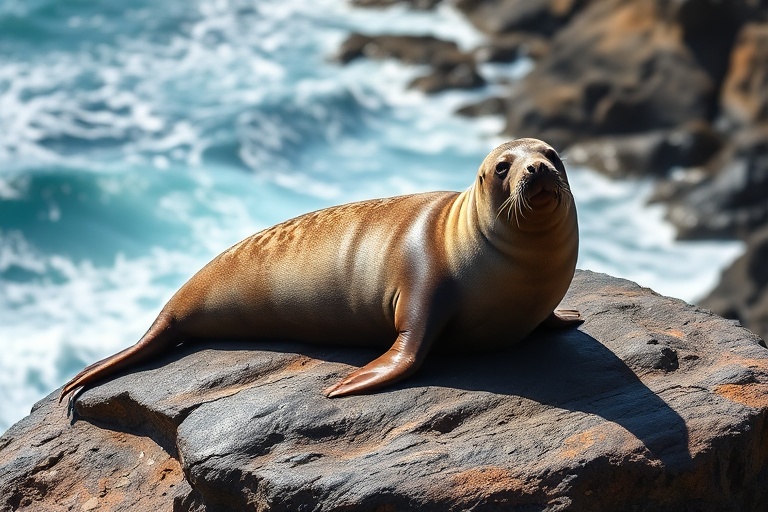
The Hawaiian monk seal (Neomonachus schauinslandi) stands as one of the most iconic yet critically endangered marine mammals in the Pacific. With fewer than 1,500 individuals remaining, this species is a living symbol of Hawaii’s fragile ecosystems and the urgent need for conservation. Unlike its more famous cousin, the Mediterranean monk seal, the Hawaiian monk seal is found nowhere else on Earth, making its survival a matter of global biodiversity.
A Unique Species with Ancient Roots
The Hawaiian monk seal belongs to a family of seals that dates back millions of years. Genetic studies suggest that its ancestors likely arrived in the Hawaiian archipelago over 10 million years ago, evolving in isolation to become a distinct species. Its scientific name, Neomonachus schauinslandi, honors Hugo Schauinsland, the naturalist who first documented the seal in the late 19th century.
Physically, the Hawaiian monk seal is distinguishable by its smooth, silvery-gray coat, which fades to a lighter shade as it ages. Adults typically weigh between 375 to 500 pounds, with males being slightly smaller than females. Unlike some seal species, they lack external ears, and their nostrils remain closed while underwater, opening only when they surface to breathe.
Cultural Significance in Hawaii
For Native Hawaiians, the monk seal holds deep cultural and spiritual significance. Known as ʻIlio-holo-i-ka-uaua (the dog that runs in rough water), it is often referenced in oral traditions and chants. Ancient Hawaiians revered the seal as a guardian of the ocean, believing it could bring good fortune or warn of impending danger. Today, the seal remains a powerful cultural symbol, representing the harmony between land and sea that defines Hawaiian identity.
Modern conservation efforts in Hawaii often incorporate traditional ecological knowledge, blending Western science with Indigenous wisdom. Organizations like the National Oceanic and Atmospheric Administration (NOAA) collaborate with Native Hawaiian communities to protect monk seal habitats, ensuring that cultural practices and conservation goals align.
Threats to Survival: A Species on the Brink
The Hawaiian monk seal faces a multitude of threats, both natural and human-induced. Historically, hunting by humans nearly drove the species to extinction in the 19th and early 20th centuries. While hunting has ceased, the seals now contend with more insidious dangers, including habitat loss, entanglement in marine debris, and food scarcity.
Primary Threats
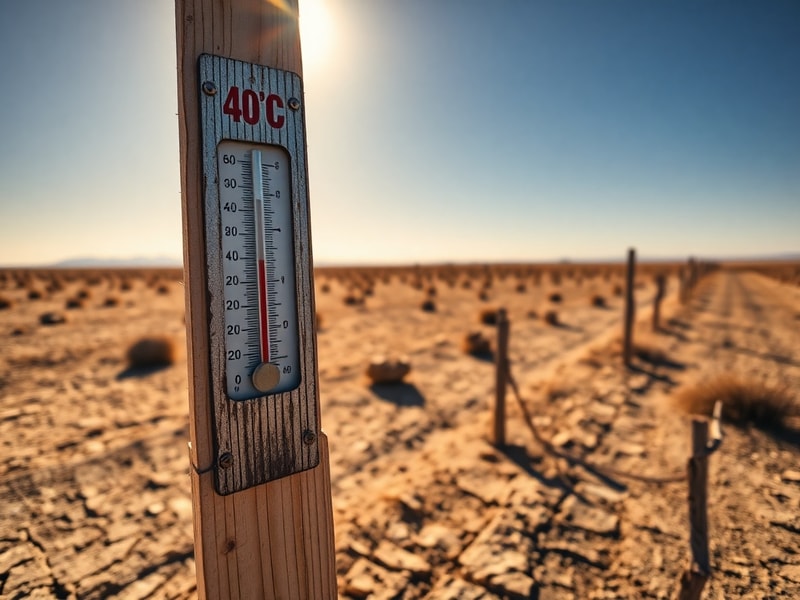
- Climate Change: Rising ocean temperatures and sea levels disrupt the seals’ prey availability and nesting sites. Coral bleaching and shifting currents reduce fish populations, forcing seals to travel farther for food.
- Entanglement and Debris: Discarded fishing nets, plastic, and other marine debris often ensnare monk seals, leading to injuries, infections, or death. NOAA reports that entanglement is a leading cause of mortality for the species.
- Human Disturbance: Increased coastal development and tourism encroach on critical haul-out sites, where seals rest and give birth. Even well-meaning visitors can inadvertently stress seals by approaching too closely.
- Predation: Sharks and, increasingly, invasive species like pigs and dogs pose risks to monk seal pups and injured adults.
Perhaps the most alarming threat is the species’ low reproductive rate. Female monk seals typically give birth to a single pup every two to five years, a slow reproductive cycle that makes population recovery a painstaking process. Pups are particularly vulnerable, with high mortality rates in their first year of life.
Conservation Efforts: A Global Responsibility
Protecting the Hawaiian monk seal requires a multi-faceted approach, combining scientific research, policy advocacy, and community engagement. NOAA’s Hawaiian Monk Seal Recovery Program is at the forefront of these efforts, implementing strategies to mitigate threats and bolster populations.
Key Conservation Strategies
- Habitat Protection: NOAA designates critical habitat areas, restricting human access to key sites during pupping season. Signage and educational campaigns inform locals and tourists about responsible wildlife viewing.
- Community Involvement: Local organizations, such as the Hawaiian Monk Seal Response Team, train volunteers to monitor seal populations and respond to entanglements. These efforts foster a sense of stewardship among residents.
- Research and Monitoring: Scientists use satellite tags and aerial surveys to track seal movements and health. This data informs policy decisions and helps identify critical habitats.
- Disease Management: Veterinarians conduct health assessments and address injuries or illnesses, often through temporary captivity for rehabilitation.
International collaboration is also crucial. The Hawaiian monk seal is protected under the U.S. Endangered Species Act and the Marine Mammal Protection Act, as well as global agreements like CITES (Convention on International Trade in Endangered Species). These protections ensure that conservation efforts extend beyond Hawaii’s shores.
The Road Ahead: Hope for the Future
Despite the challenges, there are signs of progress. In 2022, the monk seal population showed a slight increase for the first time in decades, thanks to targeted conservation efforts. Pups born in captivity and released into the wild have also demonstrated promising survival rates. These milestones offer a glimmer of hope, but the species remains critically endangered.
Public awareness and support are vital to the monk seal’s survival. Organizations like the Marine Mammal Center and Hawaii’s Department of Land and Natural Resources rely on donations and volunteers to sustain their work. Simple actions, such as reducing plastic use, participating in beach cleanups, and respecting wildlife boundaries, can make a tangible difference.
The Hawaiian monk seal is more than just an endangered species; it is a testament to the resilience of nature and the importance of cultural heritage. Its survival hinges on our collective commitment to conservation. By protecting this unique creature, we safeguard not only Hawaii’s biodiversity but also the traditions and values that define its people.
As the world grapples with environmental crises, the Hawaiian monk seal serves as a poignant reminder: every species, no matter how small or seemingly insignificant, plays a vital role in the tapestry of life. Its fate is intertwined with our own, and the time to act is now.