How Netflix Is Turning Legends Into Modern Streaming Giants
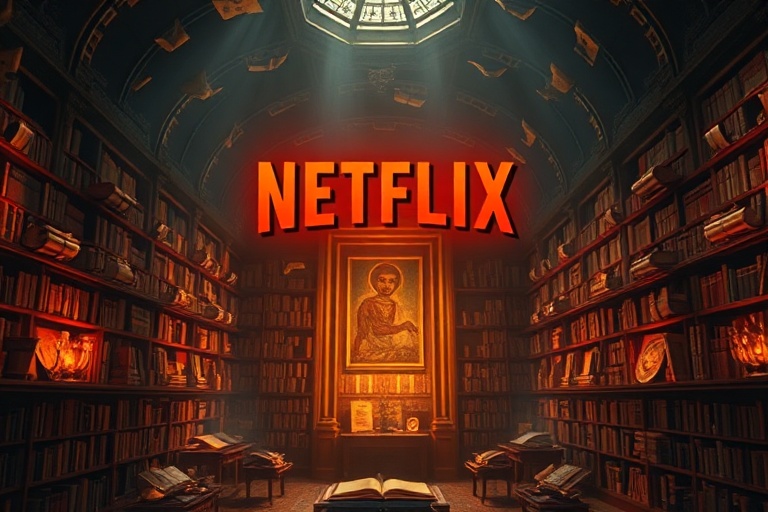
Netflix isn’t just a streaming service anymore—it’s a storytelling laboratory where legends are forged. From mythological reimaginings to historical epics, the platform’s approach to legends has evolved beyond mere entertainment. It now serves as a cultural archive where stories from across the globe are preserved, recontextualized, and delivered to millions.
The Rise of Mythological Narratives on Streaming
Over the past five years, Netflix has invested heavily in mythological content, transforming ancient tales into modern visual spectacles. Shows like 3 Body Problem and Cursed demonstrate how legends can thrive in serialized formats. These productions don’t just adapt folklore—they dissect its themes, making them relevant to contemporary audiences.
This shift reflects a broader cultural trend: audiences crave narratives that feel timeless yet fresh. By blending historical accuracy with creative liberty, Netflix creates a unique viewing experience. The platform’s global reach allows these stories to transcend their original cultural contexts, introducing international audiences to legends they might never have encountered otherwise.
Key Elements of Netflix’s Mythological Approach
- Global accessibility: Legends from Hindu, Norse, Greek, and African traditions all share the same digital space.
- Visual innovation: High-budget production values elevate ancient stories to cinematic heights.
- Narrative flexibility: Modern retellings often alter original myths to fit contemporary themes like feminism or environmentalism.
- Cultural preservation: By adapting these stories, Netflix inadvertently documents them for future generations.
Netflix’s Investment in Legend-Building Properties
The streaming giant’s strategy goes beyond licensing existing content. Netflix actively develops original properties designed to become modern legends themselves. Series like The Witcher and Shadow and Bone are crafted with the explicit intention of becoming cultural touchstones.
This approach mirrors the way comic book publishers build long-running franchises. Netflix’s original shows are structured to spawn sequels, spin-offs, and multimedia expansions. The company’s data-driven decision-making ensures each production has the potential to resonate with global audiences, regardless of its original cultural source.
Financial analysts have noted that Netflix’s most successful originals often share three characteristics: strong world-building, complex characters, and serialized storytelling. These elements combine to create what industry insiders call “binge-worthy legends”—stories that demand to be consumed in large doses and linger in viewers’ minds long after the credits roll.
The Broader Impact on Global Storytelling
Netflix’s emphasis on legends has had ripple effects across the entertainment industry. Traditional studios now prioritize mythological content, while international creators gain unprecedented access to global audiences. This democratization of storytelling has led to a surge in diverse narratives that challenge Western-centric paradigms.
The platform’s global distribution model means that a legend from Nigeria can now compete with Greek mythology for viewer attention. This shift has cultural implications beyond entertainment—it influences how younger generations perceive history and mythology. When a show like Blood & Water incorporates South African urban legends into its plot, it normalizes these stories in global pop culture.
Critics argue that this homogenization of legends risks diluting their original meanings. However, proponents counter that adaptation has always been part of mythological tradition. The real question is whether Netflix’s approach preserves the essence of these stories or transforms them into something unrecognizable.
What’s Next for Legends on Netflix?
The future of legendary storytelling on Netflix appears to be heading in two directions: deeper integration with interactive media and increased focus on regional mythologies. The platform’s experiments with choose-your-own-adventure formats suggest that future legends may be participatory experiences rather than passive viewing.
Meanwhile, Netflix’s regional hubs are developing content that reflects local mythologies. The recent slate of Indian epics and Latin American ghost stories indicates a strategic push to diversify the platform’s legendary offerings. This approach not only satisfies global audiences but also helps preserve endangered cultural narratives.
As Netflix continues to expand its content library, the line between legend and reality will blur further. The platform’s ability to turn obscure folklore into mainstream hits proves that in the digital age, every story has the potential to become a legend—if it’s told well enough.
Further Reading
For more on Netflix’s impact on global storytelling, explore our coverage of Entertainment trends and cultural shifts on Dave’s Locker.
Conclusion
Netflix’s legends aren’t just stories—they’re cultural artifacts being actively shaped for modern audiences. By investing in mythological content, the platform is doing more than entertaining; it’s preserving, transforming, and globalizing legends for future generations. As viewing habits continue to evolve, Netflix’s approach to storytelling may well define how we remember these ancient narratives in the digital era.