ice shelf
“`html
The Fragile Giants: Understanding Ice Shelves and Their Global Significance
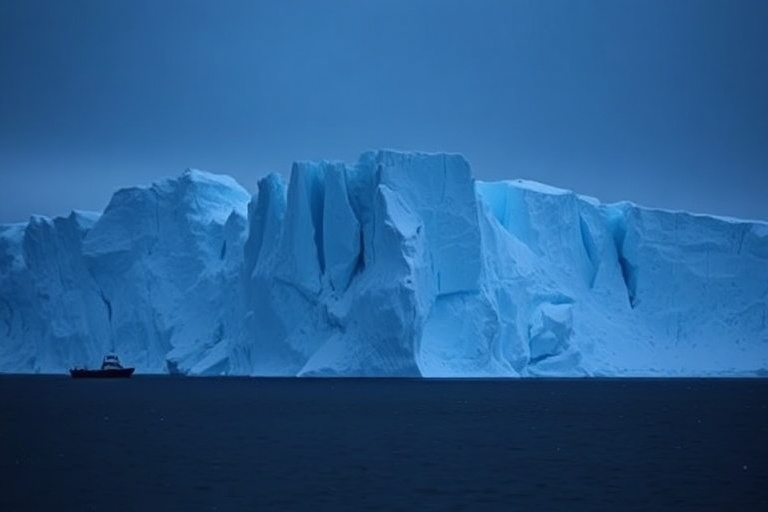
Ice shelves are some of the most awe-inspiring yet vulnerable features of Earth’s polar regions. These massive, floating platforms of ice extend from the edges of glaciers and ice sheets, acting as natural barriers that slow the flow of ice into the ocean. While they may seem like permanent fixtures of the polar landscape, ice shelves are in a delicate balance with their environment, constantly responding to changes in temperature, ocean currents, and atmospheric conditions. Their stability—or instability—has far-reaching consequences for global sea levels and climate systems.
These icy giants are not just scientific curiosities; they are critical components of Earth’s cryosphere. Their formation and behavior offer insights into the planet’s climate history and future. From the vast shelves of Antarctica to the smaller but equally important structures in Greenland, ice shelves play a pivotal role in maintaining the equilibrium of polar ecosystems. Yet, as global temperatures rise, these natural barriers are thinning, cracking, and in some cases, collapsing entirely. Understanding their function and fate is essential for grasping the broader challenges of climate change.
The Science Behind Ice Shelves: Formation and Function
Ice shelves form where glaciers and ice sheets meet the ocean, creating thick platforms that float on the water’s surface. Unlike sea ice, which forms from freezing ocean water, ice shelves are made from compacted snowfall that has accumulated over centuries or millennia. This process begins on land, where layers of snow compress into dense ice. Over time, the ice flows toward the coast under its own weight, eventually spilling into the sea and forming a shelf.
The thickness of an ice shelf can vary dramatically, from a few dozen meters to over a kilometer. The largest, such as Antarctica’s Ross Ice Shelf, span hundreds of thousands of square kilometers. These shelves are held in place by their connection to the land and by pinning points—underwater ridges or islands that provide structural support. When these pinning points weaken or break, the shelf becomes more vulnerable to calving, the process where chunks of ice break off and float away as icebergs.
One of the most critical roles of ice shelves is their ability to act as a brake on glacial flow. Glaciers behind the shelf move slowly toward the ocean, but the shelf’s resistance helps regulate this movement. When an ice shelf thins or collapses, the glaciers behind it can accelerate, dumping more ice into the ocean and contributing to sea-level rise. This dynamic was dramatically illustrated in 2002 when the Larsen B Ice Shelf in Antarctica disintegrated over the course of just a few weeks, triggering a surge in the flow of glaciers behind it.
The Global Impact: Ice Shelves and Rising Sea Levels
The fate of ice shelves is inextricably linked to global sea levels. While the melting of an ice shelf itself does not directly raise sea levels—because it’s already floating—its collapse can lead to a cascade of effects that do. When an ice shelf disappears, glaciers flow more rapidly into the ocean, adding freshwater to the sea. This indirect contribution to sea-level rise is one of the most pressing concerns for coastal communities worldwide.
According to the Intergovernmental Panel on Climate Change (IPCC), the Antarctic Ice Sheet alone contains enough ice to raise global sea levels by approximately 58 meters if it were to melt entirely. While a complete collapse is unlikely in the near future, even small changes in ice shelf stability can have outsized impacts. The IPCC estimates that Antarctic ice shelves have already contributed around 7.6 millimeters to global sea-level rise since 1992, with the rate of loss accelerating in recent years.
The consequences of rising sea levels are already being felt in vulnerable regions. Low-lying island nations, such as the Maldives and Tuvalu, face existential threats as coastal erosion intensifies and saltwater intrusion contaminates freshwater supplies. In more developed areas, cities like Miami, Venice, and Jakarta are investing billions in flood defenses to mitigate the risks. The loss of ice shelves exacerbates these challenges by accelerating the rate at which sea levels rise, leaving coastal communities with less time to adapt.
Beyond sea-level rise, the disintegration of ice shelves can also disrupt ocean circulation patterns. Cold, fresh meltwater from ice shelves can alter the density of seawater, potentially weakening the global thermohaline circulation, a key driver of climate regulation. This could have cascading effects on weather patterns, marine ecosystems, and even agricultural productivity in regions dependent on stable climatic conditions.
Cultural and Historical Perspectives: Ice Shelves in Human Consciousness
Ice shelves have long captured the human imagination, serving as symbols of both the untamed power of nature and the fragility of the planet. Indigenous communities in the Arctic, such as the Inuit of Greenland and Canada, have long relied on the stability of sea ice and ice shelves for hunting, travel, and cultural practices. For these communities, the thinning of ice is not just an environmental issue but a threat to their way of life.
In Western exploration, ice shelves have played a pivotal role in the narrative of discovery and adventure. The early 20th century saw a rush of expeditions to Antarctica, where explorers like Ernest Shackleton and Robert Falcon Scott encountered these massive ice formations. Their accounts of navigating towering ice cliffs and vast white plains helped shape the public’s perception of the polar regions as both awe-inspiring and perilous.
The cultural symbolism of ice shelves has evolved alongside scientific understanding. In the 19th and early 20th centuries, they were often depicted as immutable and eternal, reflecting the era’s romanticized view of nature. Today, they are more commonly seen as sentinels of climate change, their fractures and collapses serving as stark visual reminders of human impact on the planet. This shift in perception is reflected in art, literature, and media, where ice shelves are frequently used as metaphors for the fragility of Earth’s ecosystems.
The Future of Ice Shelves: Challenges and Solutions
The outlook for ice shelves is uncertain, but the trends are clear. As global temperatures continue to rise, driven by greenhouse gas emissions, ice shelves are thinning at an accelerating rate. A study published in Nature in 2021 found that Antarctica’s ice shelves have lost more than 6,000 gigatons of ice since 1994, with the most significant losses occurring in the Amundsen and Bellingshausen seas. These regions are particularly vulnerable because they are exposed to warm ocean currents that erode the shelves from below.
Addressing the challenges facing ice shelves requires a multifaceted approach. On a global scale, reducing greenhouse gas emissions is the most critical step. The Paris Agreement, adopted in 2015, aims to limit global warming to well below 2°C above pre-industrial levels, with efforts to cap it at 1.5°C. Achieving these targets would slow the rate of ice shelf collapse and buy time for adaptation measures in vulnerable regions.
In addition to mitigation, adaptation strategies are essential. Coastal communities must invest in infrastructure to protect against rising seas, such as seawalls, elevated buildings, and natural barriers like mangroves. Early warning systems and improved forecasting can also help communities prepare for the impacts of ice shelf collapse and associated sea-level rise.
Scientific research plays a vital role in understanding and addressing the challenges facing ice shelves. Advances in satellite technology, such as NASA’s Ice, Cloud, and Land Elevation Satellite (ICESat-2), have revolutionized our ability to monitor changes in ice shelf thickness and flow. These tools provide critical data that inform climate models and help scientists predict future scenarios.
Public awareness and education are equally important. By understanding the role of ice shelves in the global climate system, individuals can make more informed choices about their own environmental impact. Small changes, such as reducing carbon footprints or supporting policies that prioritize climate action, can collectively make a difference.
Conclusion: A Call to Action
Ice shelves are more than just frozen expanses at the ends of the Earth; they are vital components of the planet’s climate system and guardians of coastal communities. Their stability is a bellwether for the health of the planet, and their decline is a warning we cannot afford to ignore. While the challenges they face are daunting, the solutions are within reach. Through global cooperation, scientific innovation, and individual action, we can work to preserve these icy giants for future generations.
The story of ice shelves is a story of interconnectedness—between land and sea, between human activity and environmental change, and between the actions of today and the world of tomorrow. As we confront the realities of a warming planet, the fate of ice shelves reminds us that the choices we make now will reverberate across the globe, shaping the world for centuries to come.
—
METADATA
{
“title”: “Ice Shelves: The Fragile Giants Holding Back Rising Seas”,
“metaDescription”: “Explore how ice shelves act as Earth’s natural barriers against rising seas and their critical role in climate stability.”,
“categories”: [“Science”, “Environment”],
“tags”: [“ice shelves”, “Antarctica”, “climate change”, “sea level rise”, “glaciers”],
“imageDescription”: “Aerial view of a massive ice shelf extending into the ocean, with visible cracks and icebergs breaking off. The scene captures the stark beauty and fragility of these icy giants, set against a backdrop of polar waters under a clear blue sky.”
}
—END METADATA—
“`