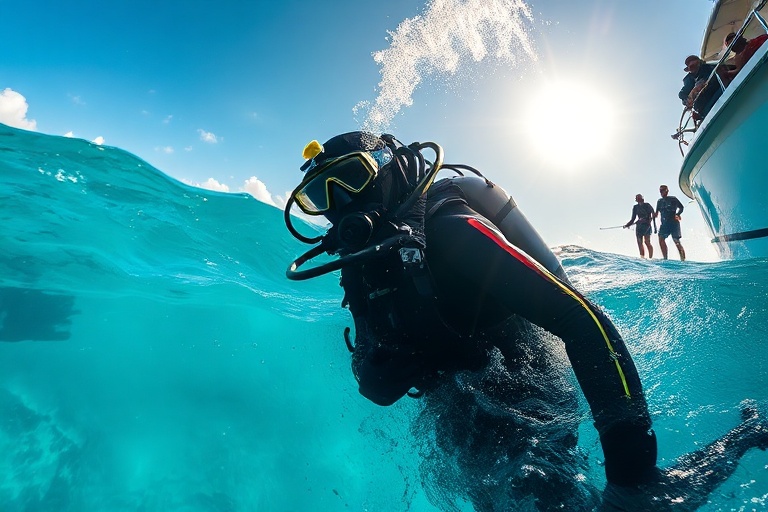
Maldives Scuba Diving Accident: What Divers Need to Know
“`html
Understanding the Risks of Scuba Diving in Paradise: The Maldives Accident
The Maldives, a jewel of the Indian Ocean, draws travelers with its turquoise waters, white-sand beaches, and vibrant marine life. For scuba enthusiasts, the archipelago offers some of the world’s most breathtaking underwater experiences—coral gardens teeming with color, encounters with manta rays, and even the occasional glimpse of whale sharks. But beneath the surface lies a reminder of nature’s unpredictability. A recent scuba diving accident in the Maldives has once again highlighted the importance of safety, preparation, and respect for the ocean’s power.
While the Maldives remains one of the safest diving destinations globally, accidents do occur. Most are preventable. The incident, which involved a group of divers exploring a popular site, has sparked conversations among the global diving community about standard protocols, emergency response, and the role of technology in preventing tragedies. It also serves as a poignant case study in how even paradise can demand caution.
The Incident: What Happened Underwater?
According to official reports, the accident occurred during a guided dive at a well-known reef site in the central atolls. A diver experienced a sudden medical issue—reported as a possible embolism or oxygen toxicity event—requiring rapid ascent and emergency assistance. Despite immediate intervention from the dive team and nearby boats, the diver did not survive. The incident has been under investigation by local authorities and marine safety organizations.
Local dive operators emphasized that all safety measures were in place: certified guides, pre-dive briefings, and adherence to depth and time limits. Yet the tragedy underscores a hard truth: scuba diving, even in ideal conditions, carries inherent risks. Decompression sickness, equipment failure, and human error can intersect in seconds. The Maldives’ strong currents and varying depths add another layer of complexity.
In response, the Maldives Marine Research Institute and the Maldives Association of Tourism Industry (MATI) issued updated safety guidelines, including stricter medical screening for divers and mandatory surface interval monitoring. These measures aim to reduce preventable incidents while preserving the country’s reputation as a premier dive destination.
A Global Perspective: Diving Safety in a Growing Industry
Scuba diving is a $3 billion global industry, supporting coastal economies from the Caribbean to Southeast Asia. The Maldives alone welcomes over 400,000 divers annually, many of whom travel specifically for underwater experiences. But as participation grows, so does scrutiny of safety standards.
An analysis by the Divers Alert Network (DAN) shows that while the overall fatality rate in recreational diving remains low—approximately 16 deaths per million dives—certain environments increase risk. Strong currents, deep walls, and remote locations like the Maldives demand higher vigilance. DAN’s 2023 Annual Diving Report noted that nearly 40% of diving fatalities involved divers with less than 100 logged dives, suggesting inexperience plays a role.
Cultural context also matters. In many Western countries, divers are trained to prioritize safety margins and conservative profiles. In contrast, some Asian and Pacific destinations—including parts of Southeast Asia and the Maldives—have traditionally emphasized adventure and exploration over strict adherence to limits. This cultural difference can lead to diver behavior that increases risk, especially when combined with the allure of pristine, untouched sites.
Lessons from the Incident: What Divers and Operators Can Do
The Maldives accident has become a catalyst for change. Leading dive operators, including international tour operators and local resorts, are now implementing enhanced training programs. These include:
- Pre-dive medical screenings: Especially for divers over 40 or those with pre-existing conditions.
- Real-time monitoring: Use of dive computers with oxygen tracking and decompression alerts.
- Emergency oxygen kits: Mandatory on all dive boats, with trained staff.
- Buddy checks and redundancy: Double verification of equipment and gas supply before descent.
Technology is also playing a preventive role. New dive planning apps now integrate real-time weather, current, and marine life data. Some resorts in the Maldives have adopted AI-powered buoy systems that monitor water conditions and alert boats to sudden changes in current or visibility.
Yet technology alone cannot eliminate risk. Human factors—fatigue, overconfidence, or distraction—remain leading causes of accidents. Divers must recognize their personal limits and avoid pushing boundaries, especially when dazzled by the promise of rare sightings.
Respecting the Ocean: A Cultural Shift in Diving Ethics
Beyond regulation, the diving community is increasingly embracing a philosophy of “eco-responsible” diving. This means not only protecting marine life but also respecting the ocean’s power. The Maldives incident has prompted many operators to adopt stricter “no chase” policies for marine animals, ensuring interactions remain safe for both divers and wildlife.
Cultural attitudes toward risk vary widely. In Japan, for example, divers are often trained to prioritize group cohesion over individual exploration. In contrast, some European divers favor solo or small-group expeditions. The Maldives, as a crossroads destination, must balance these perspectives while maintaining safety as a priority.
Local dive masters, many of whom have spent decades on the reefs, now serve as both guides and educators. Their role has evolved from simply leading dives to mentoring divers in risk awareness, buoyancy control, and emergency procedures. This shift reflects a growing recognition that the ocean is not a playground—but a dynamic, powerful ecosystem that demands respect.
A Call to Action for the Diving Community
The death of a diver in the Maldives is a sobering reminder that paradise does not guarantee safety. It is a call to action: for divers to train smarter, for operators to enforce higher standards, and for the global community to support research into diving-related injuries.
As one veteran dive instructor put it: “The ocean gives us life. It does not owe us mercy.” This philosophy is now being echoed in dive centers across the Maldives, where safety briefings now include not just dive site details, but personal responsibility.
For travelers planning a trip, the message is clear: choose reputable operators, verify certifications, and never let the thrill of the moment override caution. The Maldives will remain a dream destination—but it must also be a safe one.
The ocean’s beauty is matched only by its power. To dive is to accept a contract with the sea: to prepare, to listen, and to return home.
—