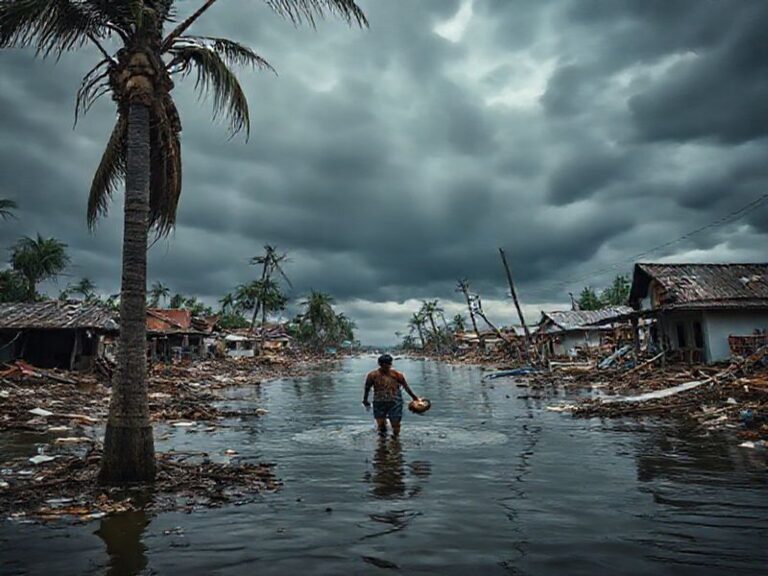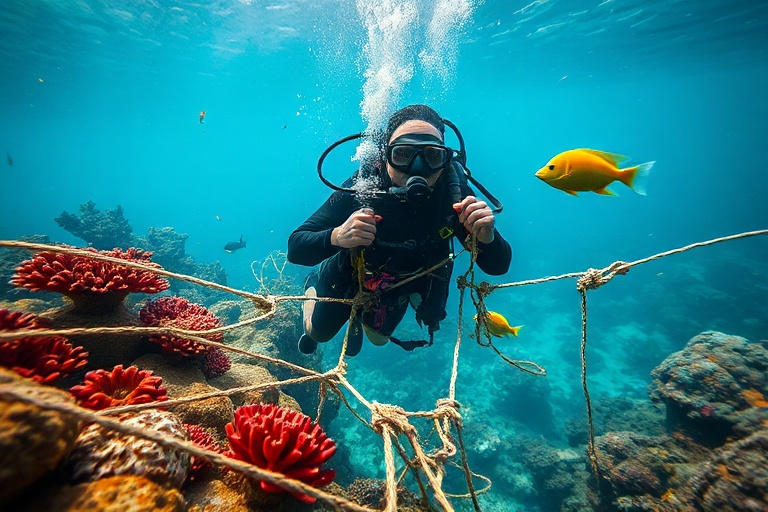
Maldives Scuba Diving Accidents: Risks, Causes and Safety Guide
“`html
Maldives Scuba Diving Accident: Risks, Realities, and Recovery
The crystal-clear waters of the Maldives have long been a bucket-list destination for scuba divers from around the globe. With its vibrant coral reefs, diverse marine life, and pristine visibility, the archipelago offers some of the most breathtaking underwater experiences on Earth. Yet beneath the surface lies an environment that demands respect, preparation, and vigilance. Recent diving accidents in the Maldives have raised important questions about safety protocols, diver responsibility, and the challenges of underwater exploration.
This article examines the realities of scuba diving accidents in the Maldives, exploring common causes, prevention strategies, and the broader implications for the diving community. Whether you’re a seasoned diver or planning your first trip, understanding these risks is essential to ensuring safe and enjoyable adventures.
Understanding the Frequency and Causes of Diving Accidents
Scuba diving in the Maldives is generally safe when proper precautions are taken. However, accidents do occur, and their causes often fall into predictable patterns. According to data from the Maldives Police Service and dive safety organizations, the majority of incidents involve inexperienced divers, equipment failure, or inadequate dive planning.
A closer look at incident reports reveals several recurring issues:
- Rapid Ascent and Decompression Sickness: Many accidents result from divers ascending too quickly, failing to complete safety stops, or ignoring depth and time limits. The Maldives’ strong currents and deep drop-offs can exacerbate these risks.
- Equipment Malfunctions: While rare, equipment failures—such as regulator free-flows, buoyancy compensator issues, or tank valve problems—can lead to dangerous situations. Regular equipment checks are critical.
- Poor Buoyancy Control: Overweighting or improper buoyancy can cause divers to struggle, leading to exhaustion or uncontrolled ascents. This is especially problematic in drift dives, where currents carry divers along reefs.
- Lack of Buddy Awareness: Diving alone or losing sight of a buddy increases the risk of accidents going unnoticed. The Maldives’ vast underwater landscapes can make it easy to become separated.
Statistics from the Divers Alert Network (DAN) indicate that the Maldives sees an average of 10–15 diving-related incidents annually, with the majority being non-fatal. However, even minor accidents can have serious consequences in remote locations where medical assistance is limited.
The Role of Dive Operators and Safety Protocols
Dive operators in the Maldives play a pivotal role in ensuring diver safety. Reputable centers adhere to international standards set by organizations like PADI and SSI, including pre-dive briefings, equipment checks, and adherence to no-decompression limits. However, not all operators maintain the same level of diligence.
Some key safety measures that reputable operators implement include:
- Mandatory Pre-Dive Briefings: These sessions cover dive site conditions, potential hazards, hand signals, and emergency procedures. Divers should actively participate and ask questions.
- Depth and Time Limits: Strict adherence to dive tables or computers helps prevent decompression sickness. Operators should enforce conservative limits, especially for beginners.
- Buddy Pairing and Monitoring: Divers are paired based on experience levels, and guides monitor groups closely. Some operators use underwater slates or reels to track progress.
- Emergency Oxygen and First Aid: All boats should carry emergency oxygen kits, first aid supplies, and communication devices to contact medical evacuation services.
Unfortunately, some operators cut corners to accommodate large groups or inexperienced divers. Divers should research operators thoroughly, checking reviews on platforms like Dave’s Locker and verifying certifications with global diving organizations.
Real-Life Incidents: Lessons from Recent Accidents
In 2023, a widely reported incident involved a group of recreational divers who became separated during a drift dive at a popular site in South Ari Atoll. Strong currents carried two divers away from their group, leading to a search and rescue operation. Both divers were eventually located and rescued, but the incident highlighted the importance of drift dive precautions, such as using surface marker buoys and maintaining close communication with guides.
Another case involved a diver who suffered decompression sickness after ignoring safety stops during a deep reef dive. The diver required emergency evacuation to a hyperbaric chamber in Male, underscoring the risks of pushing physical limits in pursuit of underwater photography or exploration.
These incidents serve as sobering reminders that even in paradise, underwater environments are unforgiving. Divers must prioritize safety over thrills, especially in remote locations where rescue times can stretch to hours.
Preparation and Prevention: How Divers Can Stay Safe
Preventing accidents begins long before a diver enters the water. Proper preparation can mitigate most risks associated with scuba diving in the Maldives. Here are steps every diver should take:
- Get Certified and Stay Current: Ensure your certification is up to date, and consider refresher courses if you haven’t dived in over a year. Advanced certifications are recommended for the Maldives’ challenging sites.
- Choose Reputable Operators: Look for operators with strong safety records and positive reviews. Ask about their emergency procedures and staff certifications.
- Pack the Right Gear: Bring a well-maintained BCD, regulator, dive computer, and exposure suit suited to the water temperatures. Renting equipment locally is an option, but inspect it thoroughly before diving.
- Plan Your Dives Carefully: Review dive site maps, depth profiles, and current conditions. Discuss your plans with your guide and set clear limits for depth, time, and air supply.
- Monitor Your Air Supply and Buoyancy: Keep an eye on your gauge and maintain neutral buoyancy to avoid accidental descents or ascents. Overweighting is a common mistake among divers.
- Stay Within Your Limits: Avoid pushing your experience level. If you’re not comfortable with drift dives or deep dives, choose sites that match your skills.
For those new to the Maldives, consider diving with a local guide who knows the sites intimately. Guides can provide real-time insights into conditions and help navigate the unique challenges of each location.
Additionally, divers should familiarize themselves with the symptoms of common diving injuries, such as decompression sickness, arterial gas embolism, and marine life injuries. Knowing when and how to respond can make a critical difference in an emergency.
Legal and Medical Considerations
In the event of a diving accident, understanding the legal and medical landscape is crucial. The Maldives operates under a legal framework that prioritizes tourist safety, but navigating medical care and insurance claims can be complex.
Medical facilities in the Maldives are limited, especially in remote atolls. Most serious injuries require evacuation to Male, where hospitals can provide advanced care. Divers should ensure their travel insurance covers medical evacuation and hyperbaric treatment, as these expenses can be exorbitant.
From a legal standpoint, the Maldives has strict liability laws for tour operators. If negligence is proven, operators may be held accountable for accidents. However, proving negligence can be challenging, so divers should document everything—photos, witness statements, and dive logs—to support any potential claims.
Conclusion: Diving Responsibly in Paradise
The Maldives offers some of the most spectacular diving experiences in the world, but it also presents unique risks. Accidents are often preventable with proper preparation, awareness, and adherence to safety protocols. Divers must take responsibility for their own safety by choosing reputable operators, staying within their limits, and respecting the underwater environment.
For those planning a trip, resources like Dave’s Locker provide valuable insights into dive operators, safety tips, and destination guides. By prioritizing safety over adventure, divers can enjoy the Maldives’ underwater wonders without putting themselves or others at risk.
The ocean is unforgiving, but with the right mindset and preparation, scuba diving in the Maldives can be a life-changing experience—one that leaves only memories and takes nothing but bubbles.