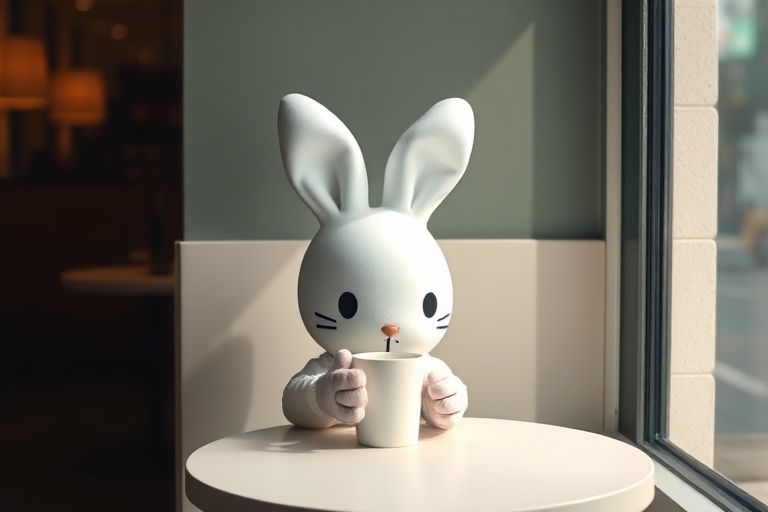
In an unexpected crossover between children’s literature and global coffee chains, the iconic Dutch rabbit Miffy has found a new platform in Starbucks stores worldwide. Once confined to picture books by artist Dick Bruna, Miffy’s presence now adorns limited-edition cups, merchandise, and even café collaborations. This fusion of nostalgia and modern retail raises questions about how brands leverage nostalgia in marketing and the power of simplicity in design.
The Origins of Miffy: From Dutch Icon to Global Phenomenon
Miffy, known as Nijntje in Dutch, debuted in 1955 as a character in Dick Bruna’s children’s books. With her minimalist design—featuring a cross for a mouth, large dot eyes, and no ears—Miffy became a symbol of understated charm. Over the decades, the character expanded into toys, clothing, and media, maintaining a consistent aesthetic that appeals to multiple generations.
Bruna’s creation thrived on its simplicity. Unlike other children’s characters with intricate backstories, Miffy’s appeal lies in her universality. This very quality made her a prime candidate for collaborations with brands seeking to evoke warmth and familiarity. Starbucks, known for seasonal collectibles and artist partnerships, recognized Miffy’s potential to resonate with customers seeking comfort in familiar imagery.
How Miffy Landed at Starbucks: A Strategic Collaboration
Starbucks’ partnership with Miffy began as a limited-edition merchandise drop in select international markets. The campaign featured Miffy-themed reusable cups, tumblers, and even pastry collaborations. The rollout was carefully curated, targeting regions with strong Miffy nostalgia, such as the Netherlands and Japan, where the character has a dedicated fanbase.
This collaboration wasn’t just about selling products—it was about creating an experience. Customers who grew up with Miffy could relive childhood memories while enjoying their daily coffee ritual. For younger audiences, the introduction served as a gateway to discovering the character’s classic appeal. The strategy blended emotional connection with practical utility, a hallmark of Starbucks’ marketing approach.
Key elements of the collaboration included:
- Limited-edition collectibles: Starbucks released Miffy-themed cups and tumblers in phases, creating urgency and exclusivity.
- Regional adaptations: Some designs incorporated local cultural elements, such as cherry blossom motifs in Japan or Dutch windmill patterns.
- Merchandise integration: Beyond cups, the partnership extended to apparel, mugs, and even coffee bean packaging.
- Digital engagement: Starbucks promoted the collaboration through social media campaigns featuring Miffy in café settings.
The Broader Implications: Nostalgia as a Marketing Tool
The Miffy-Starbucks collaboration reflects a growing trend in retail: the use of nostalgia to drive consumer engagement. In an era where digital experiences dominate, physical and visual nostalgia offers a counterbalance. Miffy’s design, unchanged for decades, provides a sense of stability in an increasingly fast-paced world.
This strategy isn’t unique to Starbucks. Brands across industries are reviving retro aesthetics to connect with older consumers while introducing younger audiences to retro charm. The success of these collaborations hinges on authenticity—customers can sense when a brand is genuinely tapping into cultural touchstones versus exploiting them for profit.
For Starbucks, the Miffy partnership aligns with its broader mission of creating “third places” between home and work. By integrating beloved characters like Miffy, the brand reinforces its role as a space for comfort and community. It also demonstrates how even the most traditional characters can find new relevance in modern retail spaces.
What’s Next for Miffy and Starbucks?
While the initial Miffy-Starbucks collaboration was a success, its future remains uncertain. Limited-edition drops create buzz, but sustained engagement requires ongoing innovation. Fans have already speculated about potential extensions, such as Miffy-themed café designs or even branded beverages.
One possibility is a seasonal approach, with Miffy appearing in Starbucks stores during specific times of the year, such as spring or back-to-school seasons. Another avenue could be digital integration, such as augmented reality filters featuring Miffy or interactive in-store experiences.
Regardless of what comes next, the collaboration highlights the enduring power of simple, timeless design. In a world of fleeting trends, Miffy’s ability to transcend generations makes her a valuable partner for brands looking to foster emotional connections.
For consumers, the takeaway is clear: the most effective collaborations blend authenticity with creativity. Whether it’s a Dutch rabbit on a coffee cup or a classic cartoon character in a café, the magic lies in the details.
As for Miffy, her journey from page to cup is a reminder that great design never truly goes out of style.
To explore more about nostalgic collaborations in pop culture, visit our Entertainment and Culture sections for additional insights.