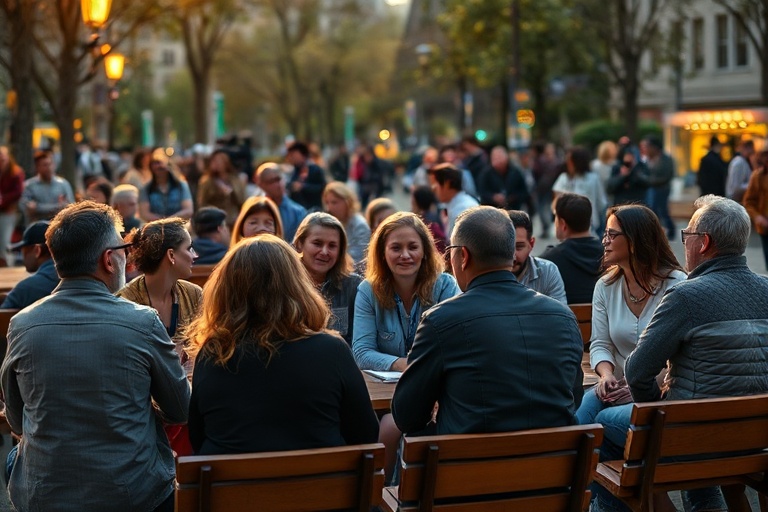
The National Conversation: How Global Events Shape Local Dialogues
Every society engages in a continuous exchange of ideas, values, and concerns—a process often described as the “national conversation.” This dialogue isn’t confined to political debates or legislative halls; it permeates media, social platforms, and everyday interactions. What begins as a local discussion can quickly evolve into a global phenomenon, reshaping cultural norms and influencing policy decisions worldwide.
The national conversation reflects a society’s collective priorities, fears, and aspirations. In recent years, digital connectivity has accelerated this exchange, turning isolated voices into a chorus that demands attention. From climate change to social justice, the topics that dominate these discussions often mirror broader global trends while retaining unique cultural inflections.
The Role of Media in Shaping the Dialogue
Media acts as both a mirror and a megaphone for the national conversation. Traditional outlets like newspapers and television once dictated the agenda, but today’s digital landscape has democratized participation. Social media platforms allow individuals to bypass gatekeepers, amplifying marginalized perspectives and accelerating the spread of ideas.
Consider the global response to the 2020 Black Lives Matter protests. What started as a localized movement in the United States quickly galvanized solidarity protests in cities across Europe, Asia, and beyond. The national conversation in each country adapted to address systemic racism within its own cultural context, proving how a single event can spark parallel dialogues worldwide.
Even entertainment media plays a role. Films, television series, and music often serve as entry points for complex discussions. For example, Bridgerton reignited debates about historical accuracy in storytelling, while K-pop’s global rise has forced conversations about cultural appropriation in Western music industries.
Cultural Nuances in Global Discussions
While technology connects people across borders, cultural context remains a defining factor in how national conversations unfold. What resonates in one country may fall flat or even offend in another. Humor, for instance, rarely translates seamlessly. A meme that goes viral in Brazil might confuse audiences in Japan, where visual humor follows different conventions.
Religious and historical sensitivities also shape these dialogues. In India, discussions about cow slaughter are deeply tied to Hindu nationalism, while in the United States, similar debates might focus on animal rights or free speech. Even seemingly universal topics like gender equality carry distinct cultural baggage. Nordic countries often lead global gender parity rankings, but their approaches differ markedly from those in Latin America, where feminist movements are intertwined with broader social justice causes.
The COVID-19 pandemic illustrated this diversity vividly. While many nations debated lockdown measures and vaccine mandates, the underlying concerns varied widely. In Sweden, the conversation centered on trust in public health institutions. In the United States, it became entangled with political polarization. Meanwhile, in South Africa, the discussion included concerns about vaccine access and the legacy of apartheid-era healthcare disparities.
When the National Conversation Turns Divisive
Not all dialogues foster unity. Polarization often fractures societies along ideological, generational, or economic lines. The Brexit debate in the United Kingdom, for example, exposed deep divides between urban and rural communities, younger and older generations, and pro-European and nationalist factions. Similarly, the debate over gun control in the United States has become so contentious that it paralyzes legislative progress, with each side accusing the other of ignoring facts.
Social media algorithms exacerbate these divisions by creating echo chambers where users are exposed only to viewpoints that confirm their biases. This phenomenon, known as cyber-balkanization, turns what could be productive discussions into hostile exchanges. The national conversation risks becoming a series of monologues rather than a true dialogue.
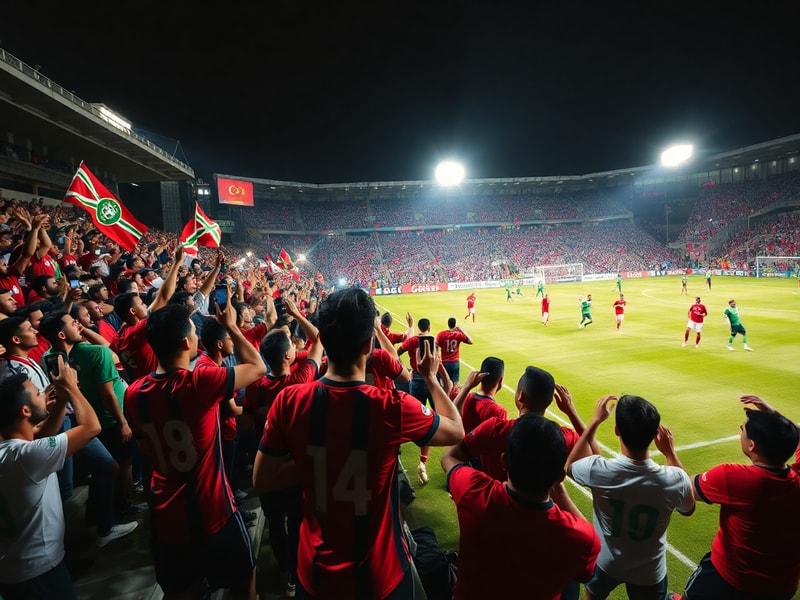
Yet, even in divisive times, moments of unity emerge. The 2011 Japan earthquake and tsunami, for instance, temporarily suspended political bickering as citizens and leaders focused on recovery efforts. Sports events, too, can bridge divides—consider how the 2022 FIFA World Cup in Qatar sparked conversations about labor rights and cultural exchange among fans worldwide.
The Future of the National Conversation
As technology evolves, so too will the nature of these discussions. Artificial intelligence and deepfake technology threaten to distort public discourse by spreading misinformation at unprecedented speeds. Governments and tech companies are grappling with how to regulate these tools without stifling free expression. Meanwhile, decentralized platforms like blockchain-based social media promise to give users more control over their data but could further fragment the national conversation.
One thing is certain: the national conversation will continue to evolve. Future generations may look back on today’s debates with the same curiosity we reserve for historical records. Will they marvel at how societies navigated climate change? Or will they critique the way digital platforms fueled polarization? The answers depend on how we engage in these discussions today.
For those interested in how these dynamics play out in specific fields, Sports often serves as a microcosm of broader societal trends, while Technology frequently shapes the tools we use to conduct these conversations. Understanding these intersections can provide valuable insights into the future of public discourse.
Key Takeaways
- The national conversation is a dynamic, ever-evolving exchange of ideas shaped by culture, media, and technology.
- Digital platforms have democratized participation but also intensified polarization through algorithmic echo chambers.
- Cultural context determines how global events are interpreted and debated within individual societies.
- Moments of crisis or unity can temporarily reshape the national conversation, highlighting shared values or deep divisions.
- The future of these discussions will be influenced by emerging technologies like AI and decentralized social media.
Ultimately, the national conversation is more than just a series of talking points—it’s a reflection of who we are as a society and who we aspire to become. The way we engage in these dialogues today will shape the world for generations to come.