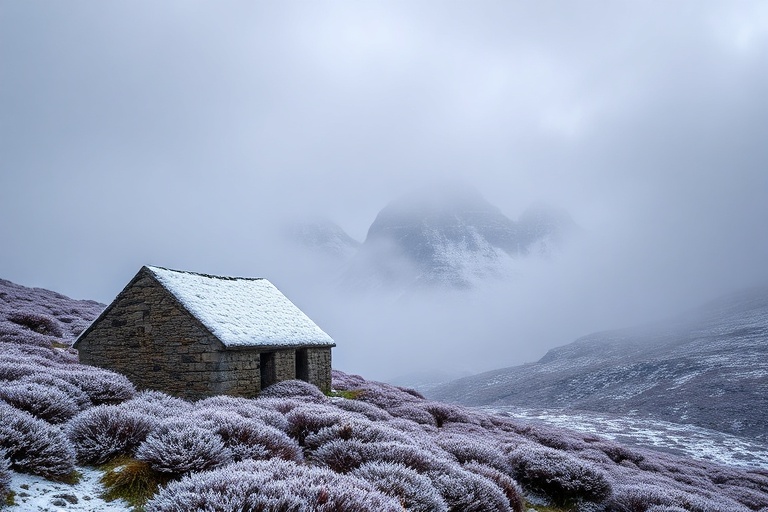
Scotland’s winter landscape is a study in contrasts. The rugged Highlands, often cloaked in muted greens and browns, suddenly become a pristine white canvas when snow arrives. This transformation isn’t just a picturesque change—it reshapes life across the country, from transportation networks to local economies. When heavy snow blankets Scotland, the nation holds its breath, waiting to see how the elements will dictate the rhythm of daily life.
The Science Behind Scotland’s Snowfall
Scotland’s snowfall is shaped by its geography and climate. The country sits in a unique position where Arctic air masses can collide with warmer, moisture-laden winds from the Atlantic. This collision often results in significant snowfall, particularly in the Highlands and upland areas. The Cairngorms, for example, regularly record some of the deepest snow accumulations in the UK, with depths exceeding two meters in extreme years.
Temperature plays a critical role. When the mercury drops below freezing, precipitation falls as snow rather than rain. Scotland’s high latitude and elevation amplify this effect. The mountains act as a barrier, forcing air upward, cooling it further, and increasing snowfall intensity. In contrast, coastal regions and low-lying areas like Edinburgh or Glasgow often experience sleet or rain, even when inland areas are buried under snow.
Climate change introduces another layer of complexity. While Scotland has always experienced winter snow, trends suggest shorter snow seasons and less reliable accumulations in lower-lying regions. Warmer global temperatures mean precipitation increasingly falls as rain, even in traditionally snowy areas. This shift has implications for winter sports, water supplies, and even the cultural identity tied to Scotland’s snowy winters.
How Scotland Adapts to Winter Weather
Scotland’s infrastructure and communities have developed coping mechanisms over centuries, but modern challenges require constant adaptation. Transport networks bear the brunt of heavy snow, particularly in rural areas where roads wind through glens and over passes. The A9, Scotland’s main north-south route, frequently closes during severe snowstorms, stranding motorists and disrupting supply chains. Local councils deploy gritters and snow plows, but the scale of the terrain often outpaces their resources.
Public services also adjust their operations. Schools in rural areas often close when snowfall exceeds a certain threshold, prioritizing safety over attendance. Emergency services brace for increased callouts, from vehicle breakdowns to hypothermia cases. In cities, public transport systems like buses and trains face delays or cancellations, forcing commuters to rethink their routines. These disruptions, while temporary, highlight the fragility of modern infrastructure when faced with extreme weather.
Beyond the practical, Scotland’s relationship with snow is deeply cultural. Winter festivals, such as the Cairngorms’ snowsports events or Edinburgh’s Hogmanay celebrations, rely on reliable snowfall. When snow is scarce, organizers turn to artificial snowmaking or adjust schedules, altering traditions that have been celebrated for generations. This tension between nature’s unpredictability and human expectation underscores the broader challenge of climate change.
Key Challenges During Heavy Snowfall in Scotland
- Transportation Delays: Road closures and public transport disruptions disrupt daily life, particularly in remote areas.
- Emergency Response Strain: Increased demand for medical and rescue services strains local resources.
- Economic Impact: Lost productivity in tourism, agriculture, and retail sectors affects local economies.
- Infrastructure Vulnerability: Older buildings and power lines may struggle under heavy snow loads, leading to outages.
- Tourism Fluctuations: While snow boosts winter tourism, inconsistent snowfall can deter visitors and harm businesses.
Scotland’s Snow: A Winter Wonderland or Growing Concern?
For many, Scotland’s snow is a source of wonder—a rare glimpse of a winter wonderland in a temperate climate. The sight of Ben Nevis dusted in white or the quiet beauty of a Highland forest after a fresh fall evokes a sense of awe. Photographers and artists flock to capture these moments, while skiers and snowboarders revel in the powder. Tourism boards lean into this allure, promoting Scotland’s snowy landscapes as a seasonal attraction.
Yet, the romanticism of snow often overshadows its challenges. Heavy snowfall can isolate communities, cut off essential services, and even endanger lives. In December 2022, a severe snowstorm in the Highlands led to multiple road closures, leaving residents stranded for days. Emergency services warned of risks such as frostbite and carbon monoxide poisoning from improper heating. These incidents serve as stark reminders that snow, while beautiful, is not without peril.
The environmental impact is equally significant. Heavy snow can damage fragile ecosystems, particularly in peatlands and moorlands. The weight of snow can crush vegetation, while rapid thaws contribute to flooding. Wildlife, too, faces challenges—deer and birds may struggle to find food under deep snow, leading to increased mortality rates in harsh winters. Conservationists monitor these effects closely, as shifting snow patterns may alter habitats permanently.
Looking ahead, Scotland must balance its cultural and economic ties to snow with the realities of a changing climate. Investing in resilient infrastructure, diversifying winter tourism offerings, and preparing for more unpredictable weather patterns are critical steps. Communities, too, must adapt, preserving traditions while embracing new strategies for survival in a warming world.
Conclusion: Embracing Scotland’s Winter Legacy
Scotland’s snow is more than a seasonal spectacle—it is a defining element of the nation’s identity, its challenges, and its resilience. Whether blanketing the Cairngorms in pristine white or disrupting a quiet village’s daily routine, snow commands attention and respect. As Scotland navigates the complexities of climate change, its relationship with winter weather will continue to evolve. Yet, the awe-inspiring beauty of a snowy Highland morning remains a testament to the power of nature and the enduring spirit of those who call Scotland home.
For now, Scotland waits. When the next snowfall arrives, the nation will once again adapt, marvel, and endure—just as it always has.
Explore more about Scotland’s climate and geography by visiting our Travel and Science sections.