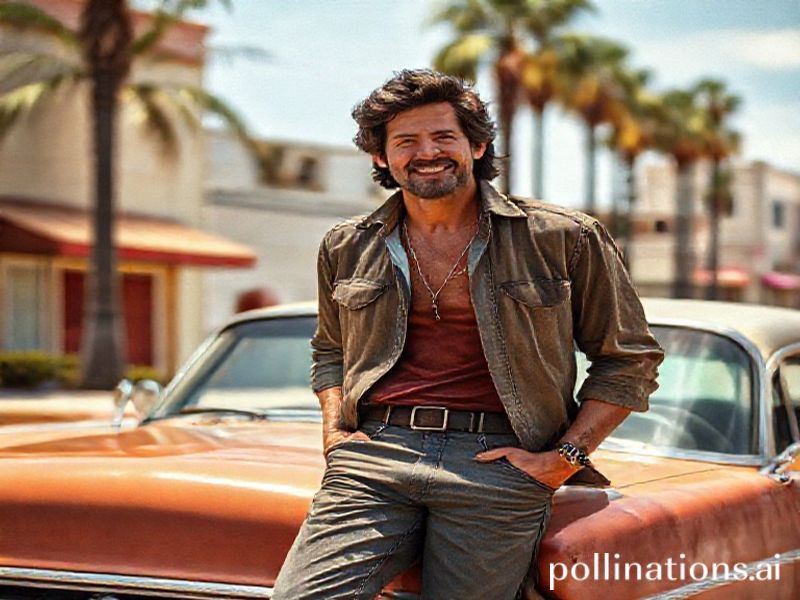
AMC’s The Walking Dead franchise has consistently pushed boundaries since its debut in 2010. With Dead City, the latest spin-off series, the network reimagines its post-apocalyptic world through a fresh lens. Premiering in 2023, this six-episode season introduces Maggie Rhee (Lauren Cohan) and Negan (Jeffrey Dean Morgan) in a Manhattan overrun by zombies, delivering a narrative that feels both familiar and entirely new.
The show’s creators, Eli Jorne and Keith Huff, take risks by isolating the story in a single, claustrophobic setting. This creative choice forces characters—and viewers—to confront the psychological toll of survival in a world where the dead outnumber the living. The result is a tense, character-driven thriller that prioritizes emotional depth over large-scale zombie battles.
The Setting: Manhattan as a Character
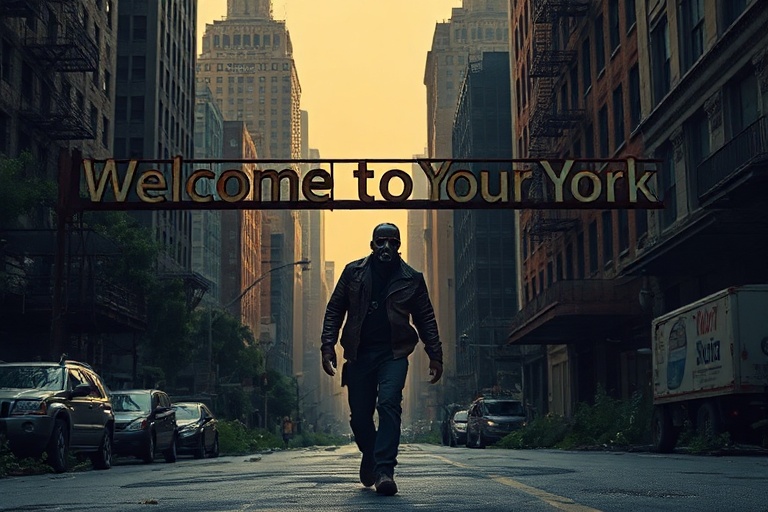
Dead City transforms Manhattan into a hauntingly beautiful wasteland. The skyline, once a symbol of human ambition, now looms over abandoned streets where zombies shuffle between crumbling skyscrapers. The contrast between the city’s former grandeur and its current decay serves as a powerful metaphor for the collapse of society.
The show’s cinematography enhances this atmosphere. Long tracking shots through empty subway tunnels and aerial views of overgrown parks emphasize the scale of the disaster. Unlike previous The Walking Dead series, which often relied on sprawling outdoor sets, Dead City uses urban decay as a constant reminder of what’s been lost.
This setting also allows for creative storytelling. The confined spaces of Manhattan force characters into close quarters, heightening tension and forcing difficult decisions. Whether navigating the ruins of Times Square or hiding in a derelict apartment building, every location feels alive with potential danger.
Maggie and Negan: A Partnership Forged in Fire
The chemistry between Maggie and Negan drives the series forward. Initially, their relationship is defined by mutual distrust—Maggie blames Negan for Glenn’s death, while Negan’s past actions make reconciliation impossible. Yet, as they navigate Manhattan’s horrors together, their dynamic evolves from hostility to reluctant partnership.
This evolution is central to Dead City’s success. Rather than relying on action set pieces alone, the show delves into character psychology. Maggie’s grief and Negan’s redemption arc are explored in intimate, often brutal conversations. Their journey from enemies to allies feels earned, a testament to the writing and performances of Cohan and Morgan.
The series also introduces compelling new characters, such as the resourceful Perlie and the enigmatic Jadis Stokes. These additions enrich the narrative, providing fresh perspectives on survival and morality in a broken world.
Key Takeaways from The Walking Dead: Dead City
If you’re still undecided about whether to watch, consider these points:
- Character depth: Maggie and Negan’s arcs are some of the most nuanced in the franchise’s history.
- Creative setting: Manhattan’s urban decay offers a fresh backdrop for zombie storytelling.
- Tonal shift: Less focus on large-scale battles, more on psychological survival.
- Fresh storytelling: The confined setting allows for tighter, more suspenseful narratives.
- Visual storytelling: Cinematography enhances the post-apocalyptic mood.
Broader Implications for the Franchise
Dead City signals a shift in how AMC approaches The Walking Dead universe. By focusing on established characters in a contained setting, the network avoids the pitfalls of overstretching its narrative. This approach allows for deeper character exploration without the need for constant world-building.
The success of Dead City could pave the way for more spin-offs centered on fan-favorite characters. Negan, in particular, has proven to be a compelling protagonist outside his villainous roots. His redemption arc in Dead City sets a high bar for future storytelling.
Additionally, the show’s critical and audience reception suggests that audiences are hungry for fresh perspectives within the franchise. While The Walking Dead has faced criticism for its later seasons, Dead City proves that the core themes of survival and human resilience still resonate.
For fans of the original series, Dead City offers a chance to revisit beloved characters in a new context. For newcomers, it serves as an accessible entry point into the franchise, thanks to its self-contained narrative and strong character work.
Conclusion: A Worthy Addition to the Franchise
The Walking Dead: Dead City is more than just another spin-off—it’s a reinvention of the franchise’s core themes. By focusing on character-driven storytelling and a fresh setting, it avoids the pitfalls of its predecessors while staying true to the spirit of The Walking Dead.
The series succeeds because it trusts its audience to engage with complex characters and moral dilemmas. Maggie and Negan’s journey is one of the most compelling arcs in recent memory, and Manhattan’s decaying beauty provides a haunting backdrop for their story.
Whether you’re a longtime fan or a newcomer, Dead City delivers a gripping, emotionally resonant experience. It’s a testament to the enduring power of The Walking Dead franchise—and a sign of even greater storytelling to come.
For more on AMC’s expanding universe, check out our coverage of Entertainment trends and Gaming tie-ins.