Unruly Behavior in the Skies: A Rising Concern
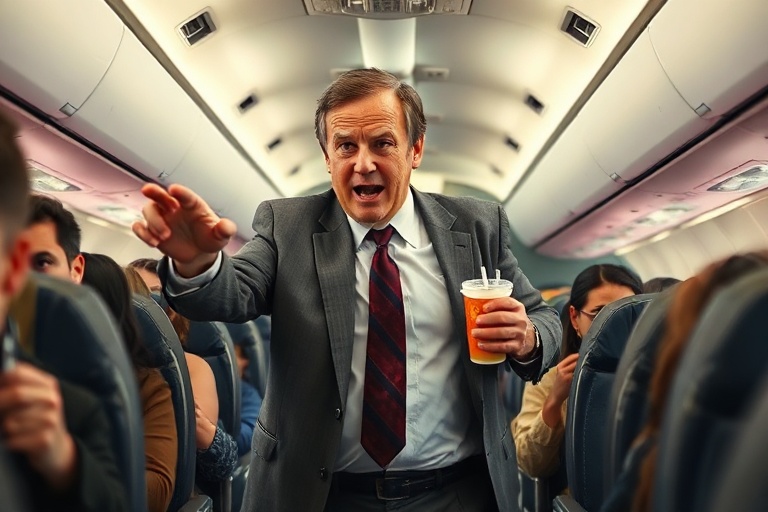
The skies are becoming less friendly. In recent years, airlines and aviation authorities have reported a sharp increase in incidents involving unruly passengers. These incidents range from verbal altercations and refusal to follow crew instructions to physical assaults and even attempted interference with flight controls. While most passengers travel without incident, the growing frequency of such behavior has raised serious questions about safety, accountability, and the psychological state of air travelers.
According to the International Air Transport Association (IATA), reports of unruly passenger incidents surged by over 47% from 2021 to 2022. The trend has continued into 2023 and 2024, prompting airlines to reinforce training for flight crews and reconsider security protocols. Behind the statistics lies a complex web of factors—stress, alcohol consumption, crowded cabins, and the lingering effects of the COVID-19 pandemic—all contributing to a tense atmosphere at 30,000 feet.
The Anatomy of an Unruly Passenger Incident
Most unruly behavior falls into one of several categories, each with its own triggers and consequences. The most common incidents involve:
- Alcohol-related misconduct: Passengers overindulging before or during the flight, leading to aggressive or disruptive behavior.
- Refusal to comply with crew instructions: Ignoring safety briefings, seatbelt requirements, or requests to remain seated.
- Disputes over seating or service: Conflicts with other passengers or flight attendants over legroom, reclining seats, or meal preferences.
- Emotional or mental distress: Passengers experiencing anxiety, frustration, or anger due to personal circumstances or travel disruptions.
- Physical altercations: Rare but dangerous incidents involving pushing, hitting, or even attempted entry into the cockpit.
These incidents are not isolated to economy class. Business travelers, first-class passengers, and even pilots have been involved in altercations. The common thread? A loss of control—real or perceived—combined with an inability to de-escalate the situation in a confined, high-pressure environment.
Why Are These Incidents Increasing?
The surge in unruly passenger behavior cannot be attributed to a single cause. Instead, it reflects a convergence of societal, psychological, and operational factors that have reshaped the air travel experience.
1. Post-Pandemic Stress and Anxiety
After years of travel restrictions, health fears, and economic uncertainty, many passengers are returning to the skies with heightened stress levels. The mere act of boarding a plane can trigger anxiety, especially for those unaccustomed to crowded cabins or long flights. When minor inconveniences occur—such as delayed boarding or lost luggage—frustration can quickly escalate into aggression.
2. Alcohol Policies and Loopholes
Many airlines have relaxed in-flight alcohol policies to boost revenue, offering complimentary or paid drinks on longer routes. While this benefits airlines financially, it also increases the risk of intoxicated passengers becoming unruly. Some carriers have begun restricting alcohol sales during certain phases of the flight, but enforcement remains inconsistent.
3. Reduced Personal Space and Crowding
Airline seat sizes have shrunk over the decades, and cabin space is often at a premium. Passengers are seated closer together than ever, with limited legroom and shared armrests. This lack of personal space can lead to tension, especially during long-haul flights where discomfort and fatigue set in.
4. Social Norms and Declining Civility
Broader societal trends, including the normalization of online hostility and a decline in deference to authority figures, may also play a role. Flight attendants, once seen as respected professionals, now face challenges in asserting authority when passengers refuse to comply with instructions. The anonymity of air travel—where passengers may never see each other again—can embolden poor behavior.
5. Mental Health Awareness and Underreporting
While some incidents stem from deliberate misconduct, others may reflect undiagnosed mental health struggles. Passengers experiencing a crisis may act out in ways that are not fully understood by airline staff. Additionally, many airlines have improved reporting mechanisms, leading to more incidents being documented rather than ignored or handled privately.
Consequences: From Fines to Flight Delays
The repercussions of unruly passenger behavior extend far beyond the immediate disturbance. Airlines, passengers, and aviation authorities all bear the costs—financial, operational, and reputational.
Airlines Face Rising Costs
Airlines are forced to divert flights, delay departures, or make emergency landings when unruly passengers pose a safety risk. These disruptions cost thousands of dollars per incident in fuel, crew time, and passenger compensation. In extreme cases, aircraft may need to be met by law enforcement upon landing, further delaying schedules and tying up resources.
Legal and Financial Penalties for Passengers
Unruly passengers can face severe consequences, including fines, criminal charges, and lifetime bans from airlines. The Federal Aviation Administration (FAA) in the U.S. has imposed fines as high as $40,000 for assaults on flight attendants. In the UK, passengers who breach the country’s air rage laws can be prosecuted under the Aviation Security Act, with penalties including imprisonment. International treaties, such as the Tokyo Convention, provide a framework for prosecuting offenders across borders.
Safety Risks for Everyone on Board
While rare, the most dangerous incidents—such as attempts to open emergency exits or interfere with the cockpit—pose a direct threat to flight safety. Even non-physical disruptions, such as yelling or walking around the cabin during turbulence, can distract crew members and compromise safety procedures.
Reputational Damage for Airlines
Frequent reports of unruly behavior can deter passengers from booking with certain carriers. Social media amplifies these incidents, with viral videos of mid-flight chaos damaging airlines’ public image. In an era where customer reviews and online reputations matter more than ever, such incidents can have long-term financial implications.
What Can Be Done? Solutions and Preventive Measures
Addressing the rise in unruly passenger incidents requires a multi-pronged approach involving airlines, regulators, and passengers themselves.
1. Enhanced Crew Training and de-escalation Techniques
Flight attendants are on the front lines of these incidents, yet many receive limited training in conflict resolution. Airlines are increasingly investing in programs that teach crew members how to recognize early signs of aggression, use non-confrontational language, and safely restrain unruly passengers when necessary. Some carriers have also introduced “quiet zones” or designated seating areas to reduce tension.
2. Stricter Alcohol Policies
A growing number of airlines have implemented “no alcohol” policies during certain flight phases, such as takeoff, landing, and turbulence. Some have banned alcohol sales entirely on shorter flights or during overnight routes. These measures aim to reduce intoxication-related incidents, though they remain controversial among passengers who view in-flight drinks as part of the travel experience.
3. Clearer Communication and Passenger Education
Airlines are revising their pre-flight safety briefings to emphasize the consequences of unruly behavior, including legal penalties. Some have introduced onboard announcements reminding passengers that disruptive behavior will not be tolerated. Additionally, airlines are working with airports to improve signage and staff training to identify and assist passengers who may be in distress before they board.
4. Improved Reporting and Collaboration with Law Enforcement
Better coordination between airlines, aviation authorities, and law enforcement is critical. When an unruly passenger is removed from a flight, swift action—such as arrest upon landing—can serve as a deterrent. Airlines are also sharing data on repeat offenders to prevent them from rebooking under different names.
5. Passenger Responsibility and Mental Preparation
While airlines and regulators play a crucial role, passengers must also take responsibility for their behavior. This includes moderating alcohol consumption, respecting crew instructions, and practicing patience during delays or disruptions. Travelers who experience anxiety about flying may benefit from pre-flight relaxation techniques, therapy, or choosing airlines with more spacious seating options.
For those interested in the broader implications of air travel safety and passenger rights, explore our Travel and News categories on Dave’s Locker. These sections offer deeper insights into aviation trends, regulatory changes, and the human stories behind the headlines.
A Look Ahead: Can the Trend Be Reversed?
The future of air travel will likely be shaped by a combination of technological innovation and behavioral adaptation. Airlines are exploring the use of artificial intelligence to monitor passenger behavior in real time, though privacy concerns remain a hurdle. Meanwhile, the aviation industry is pushing for global standardization of penalties for unruly passengers to ensure consistent enforcement across borders.
On a cultural level, the travel industry may need to rethink the way it markets and manages the passenger experience. Emphasizing comfort, space, and respect—rather than just speed and cost—could help reduce tension in the skies. As the world becomes increasingly interconnected, the challenge of maintaining civility in confined spaces will only grow more pressing.
One thing is clear: unruly passenger incidents are not a passing trend. They reflect deeper shifts in how we travel, interact, and cope with stress. Addressing them will require not just stricter rules, but a collective effort to restore a sense of mutual respect and shared responsibility among passengers and crew alike.
For now, the skies remain a battleground—not of storms or turbulence, but of human behavior. How we navigate that battle will determine whether flying remains a safe, if not always pleasant, experience for generations to come.