Co-op Live: How Collective Experiences Are Reshaping Entertainment
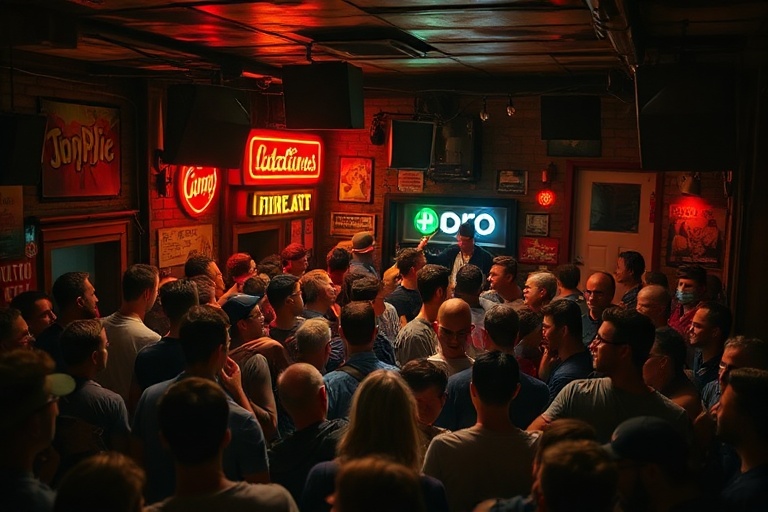
For decades, live entertainment has thrived on the energy exchanged between performers and audiences. Whether in music venues, sports arenas, or theater halls, the magic of shared experience has remained a constant. Yet, as technology evolves and audience expectations shift, a new model is emerging—one that emphasizes collaboration over passive consumption. Enter Co-op Live, a concept that blurs the lines between spectator and participant, redefining what it means to engage with live events.
This movement isn’t confined to a single industry. It spans music festivals where fans co-create performances, esports tournaments where audiences influence gameplay, and even traditional sports where interactive viewing enhances the experience. Co-op Live represents a cultural shift—away from solitary screen time and toward communal, participatory events that foster connection.
The Rise of Co-op Live: A Global Phenomenon
Co-op Live isn’t a passing trend; it’s a response to fundamental changes in how people consume entertainment. Studies show that younger audiences, particularly Gen Z and Millennials, prioritize experiences over material possessions. They crave authenticity, interaction, and a sense of belonging—values that traditional entertainment models often struggle to deliver.
Globally, this shift is evident in various forms:
- Music: Festivals like Tomorrowland in Belgium and Burning Man in the U.S. have long embraced participatory elements, but newer events are taking it further. Co-op Live concerts now incorporate real-time audience polls, AR-enhanced stages, and even crowd-sourced setlists. Artists like Billie Eilish and The 1975 have experimented with these formats, allowing fans to vote on encore songs or influence the visuals projected during performances.
- Esports: Competitive gaming has always been interactive, but Co-op Live takes it to another level. Events like the League of Legends World Championship now feature in-game viewer participation, where fans can unlock exclusive content or even vote on minor in-match events. This fusion of gaming and live entertainment has turned spectators into co-creators.
- Sports: Traditional sports leagues are also adopting Co-op Live principles. The NBA’s “Fan Controlled” experiments, where audiences vote on in-game decisions, and soccer clubs like FC Barcelona integrating fan feedback into matchday experiences, show how teams are prioritizing engagement over mere viewership.
What ties these examples together is the rejection of the one-way communication model. In Co-op Live, the audience isn’t just an observer—they’re an active participant whose contributions shape the event in real time.
Technology as the Enabler: Tools Shaping Co-op Live
The growth of Co-op Live owes much to advancements in technology. Without the tools to facilitate real-time interaction, the concept would remain confined to niche experiments. Today, however, a suite of innovations is making it possible:
- Augmented and Virtual Reality: AR overlays during live concerts or sports games can provide personalized stats, polls, or even alter the visual experience based on audience input. VR takes this further, allowing remote participants to feel as if they’re in the same physical space as fellow fans.
- Mobile Apps and Live Polling: Apps like StageIt and Jumbula enable artists and event organizers to poll audiences, share exclusive content, and foster community discussions. These tools turn smartphones into interactive devices that bridge the gap between performer and spectator.
- Blockchain and NFTs: Some Co-op Live events are experimenting with blockchain to create digital collectibles or voting rights tied to fan engagement. For example, NFT ticket holders might gain access to backstage chats or the ability to influence setlists.
- Social Media Integration: Platforms like Twitter, TikTok, and Instagram now serve as secondary stages where fans can react, suggest, and even co-host segments. Live-tweeting during a concert or using hashtags to influence a game has become second nature for many audiences.
These technologies aren’t just add-ons; they’re foundational to the Co-op Live experience. They enable a level of interactivity that was unimaginable just a decade ago, turning passive viewers into invested collaborators.
The Cultural Impact: Why Co-op Live Matters
Beyond the novelty of interactive entertainment, Co-op Live reflects broader cultural shifts. In an era of algorithm-driven personalization, where individuals are often siloed into digital echo chambers, live events offer a rare chance for shared, unfiltered experiences. Co-op Live amplifies this by ensuring that the event isn’t just about what happens on stage or field—it’s about what happens in the collective imagination of the audience.
Consider the social dynamics at play:
- Community Building: Co-op Live events foster a sense of belonging. Whether it’s a music festival where strangers bond over a shared playlist or an esports tournament where fans cheer as a team, these gatherings create temporary communities bound by a common experience.
- Democratizing Creativity: In traditional models, artists and performers hold all the creative power. Co-op Live challenges this hierarchy by giving audiences a voice. This isn’t just about fan service; it’s about redefining the role of the audience in the creative process.
- Breaking Geographic Barriers: Technology allows Co-op Live to transcend physical limitations. Virtual concerts, for instance, can bring together fans from around the world, creating a global village of shared experiences. This is particularly significant in regions where access to live events is limited by geography or economic constraints.
Yet, the rise of Co-op Live isn’t without challenges. Ensuring that audience participation enhances rather than disrupts an event requires careful planning. Organizers must balance interactivity with the need for a cohesive experience. Too many choices can overwhelm performers, while too little can leave audiences feeling disconnected. The key lies in creating systems that are intuitive, inclusive, and aligned with the event’s core purpose.
The Future of Co-op Live: Trends and Predictions
As Co-op Live continues to evolve, several trends are likely to shape its trajectory:
- Hyper-Personalization: Future events may use AI to tailor experiences in real time. Imagine a concert where the setlist and visuals adapt to the mood of the crowd, or a sports game where commentary shifts based on the interests of the audience.
- Hybrid Models: The line between physical and digital experiences will blur further. Hybrid Co-op Live events—where in-person and online audiences interact seamlessly—will become the norm, particularly as VR and AR technologies mature.
- Sustainability and Accessibility: Co-op Live events will increasingly prioritize sustainability, from eco-friendly venues to carbon-neutral streaming options. Accessibility will also be a focus, with innovations like sign-language avatars and real-time captioning ensuring inclusivity.
- New Revenue Streams: The shift toward participation opens up novel monetization opportunities. Fans might pay for exclusive voting rights, VIP interactive experiences, or even co-ownership of event elements through NFTs or tokenized assets.
One of the most exciting possibilities is the potential for Co-op Live to inspire entirely new art forms. Could we see interactive plays where the audience votes on plot twists? Sports leagues where fan decisions influence game strategies? The boundaries of live entertainment are only beginning to be pushed.
As we look ahead, one thing is clear: Co-op Live isn’t just a fleeting trend—it’s a reflection of a deeper desire for connection in an increasingly digital world. By placing the audience at the heart of the experience, it’s not only redefining live entertainment but also reminding us of the power of shared moments.
Conclusion: A New Era of Participation
Co-op Live represents more than just a technological upgrade to traditional entertainment; it’s a cultural reset. It challenges the notion that live events are solely about the performers, reminding us that the magic lies in the collective energy of the audience. From music festivals to esports arenas, this movement is proving that when audiences are given agency, the results can be transformative.
As technology continues to advance and audiences demand more from their experiences, Co-op Live will likely become the standard rather than the exception. The future of live entertainment isn’t just about watching—it’s about doing, shaping, and belonging. And in a world where digital interactions often replace genuine connection, that’s a future worth investing in.