Understanding the Virgin Islands: Geography and Diversity
The Virgin Islands archipelago stretches across the Caribbean Sea, forming a natural bridge between the Atlantic Ocean and the Caribbean basin. Comprising over 60 islands and cays, these islands are divided into two distinct political territories: the U.S. Virgin Islands and the British Virgin Islands. While both share a tropical climate and rich maritime history, their cultural and administrative identities diverge significantly.
The U.S. Virgin Islands, purchased by the United States from Denmark in 1917, includes three main islands: St. Thomas, St. John, and St. Croix. The British Virgin Islands, a British Overseas Territory, consists of Tortola, Virgin Gorda, Anegada, and Jost Van Dyke, among others. Geographically, the islands are volcanic in origin, with rugged terrain giving way to pristine white-sand beaches and crystal-clear waters. The highest point, Crown Mountain on St. Thomas, rises to just 1,556 feet, yet the islands’ topography creates microclimates that influence everything from agriculture to tourism.
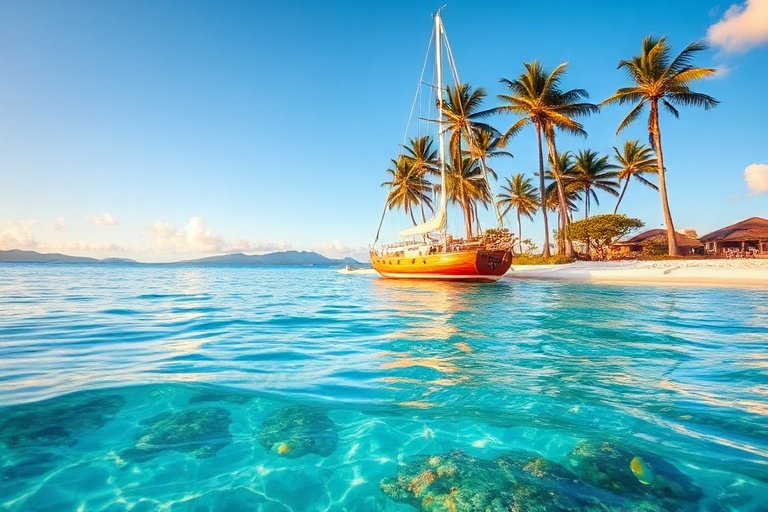
This geographical diversity has shaped the islands’ economies and cultures. The U.S. Virgin Islands, with its proximity to Puerto Rico and the U.S. mainland, has developed a more commercialized tourism sector. In contrast, the British Virgin Islands maintains a quieter, more traditional pace, attracting yachters and those seeking secluded retreats. The islands’ coral reefs, part of the Mesoamerican Barrier Reef System, also make them a hotspot for marine biodiversity and eco-tourism.
A Cultural Tapestry: History, Language, and Traditions
The Virgin Islands’ cultural identity is a vibrant mosaic woven from centuries of colonial influence, African heritage, and indigenous Taino roots. The islands were originally inhabited by the Arawak and Carib peoples before European explorers arrived in the late 15th century. Christopher Columbus claimed the islands for Spain in 1493, but by the 17th century, the Dutch, English, French, and Danes had established competing colonies. The sugar plantations that flourished under these colonial powers relied heavily on enslaved Africans, whose descendants now form the backbone of the islands’ cultural fabric.
Language reflects this layered history. In the U.S. Virgin Islands, English is the official language, though a local Creole dialect known as Crucian or St. Thomian English is widely spoken. The British Virgin Islands also use English, but with distinct accents and slang, such as the term “lorry” for a truck. Spanish is increasingly heard, particularly in St. Croix, where Puerto Rican and Dominican communities have grown. French Creole, a remnant of the 18th-century French occupation, persists in some communities on St. Thomas.
Music and dance are central to the islands’ cultural expression. The music scene blends African rhythms, European instrumentation, and Caribbean influences, giving rise to genres like quelbe, a folk music tradition using instruments like the banjo and drums. Carnival celebrations, held annually in both territories, are riotous spectacles of color, music, and dance, with roots in both European masquerade and African masquerade traditions. The islands’ cuisine mirrors this diversity, featuring dishes like saltfish and fungee (a cornmeal-based side), callaloo soup, and fresh seafood grilled with local spices.
Economic Pillars: Tourism, Trade, and Challenges
Tourism dominates the economies of both the U.S. and British Virgin Islands, accounting for over 60% of GDP in some areas. The U.S. Virgin Islands, with its American infrastructure and cruise ship ports, receives millions of visitors annually, drawn by duty-free shopping, historic sites like Charlotte Amalie’s 17th-century Danish buildings, and outdoor adventures such as hiking in Virgin Islands National Park on St. John. The British Virgin Islands, while less commercialized, is a premier destination for sailing, with the Baths on Virgin Gorda and the wrecks of the RMS Rhone attracting divers from around the world.
Agriculture and manufacturing play smaller roles but are not insignificant. The islands produce rum, a legacy of the sugar industry, with brands like Cruzan Rum and Pusser’s Rum gaining international acclaim. Fishing remains a vital livelihood for many, particularly in Anegada, known for its lobster. However, the islands’ economies face persistent challenges, including vulnerability to hurricanes, rising sea levels, and economic dependence on tourism. The 2017 hurricanes Irma and Maria devastated St. Thomas and St. John, causing billions in damages and exposing the fragility of the islands’ infrastructure.
Offshore finance is another economic driver, particularly in the British Virgin Islands, which is home to over 800,000 registered companies. The territory’s status as a tax haven has drawn scrutiny and criticism, particularly from global organizations seeking to curb financial secrecy. While this sector provides revenue, it also raises ethical questions about transparency and equity, especially as the islands grapple with climate change and social inequality.
Preserving Paradise: Environmental and Social Initiatives
The Virgin Islands are on the front lines of climate change, with rising temperatures, stronger hurricanes, and coral bleaching threatening their ecosystems. In response, conservationists and local communities are taking action. The U.S. Virgin Islands’ National Park Service manages over 15,000 acres of protected land and water, including coral reefs and mangrove forests. Efforts like coral restoration, mangrove replanting, and sustainable fishing practices are gaining traction, often led by grassroots organizations and youth groups.
In the British Virgin Islands, the National Parks Trust works to safeguard species like the Virgin Islands boa and the hawksbill sea turtle. Eco-tourism initiatives, such as guided kayak tours through mangroves or snorkeling trips to see nurse sharks, provide alternatives to mass tourism while educating visitors about conservation. However, these efforts are often underfunded and struggle against the pressures of development and global warming.
Socially, the islands are addressing issues of inequality and cultural preservation. In St. Croix, the educational system is working to incorporate local history and Creole language into school curricula, ensuring that younger generations connect with their heritage. Meanwhile, artists and musicians are reviving traditional crafts, such as straw weaving and boat-building, to keep these skills alive. Community radio stations and local newspapers play a crucial role in amplifying voices that might otherwise be marginalized, particularly in the wake of natural disasters and economic shifts.
The Virgin Islands’ future depends on balancing economic needs with environmental stewardship and cultural preservation. As global interest in the Caribbean grows, so too does the responsibility to protect these islands—not just as tourist destinations, but as living communities with unique identities and challenges. The choices made today will determine whether the Virgin Islands remain a paradise for future generations or become another casualty of unchecked development and climate change.
Key Takeaways
- The Virgin Islands are divided into the U.S. and British territories, each with distinct cultural and economic identities.
- Cultural heritage is a blend of African, European, and indigenous influences, reflected in language, music, and cuisine.
- Tourism is the dominant economic sector but faces challenges from climate change and economic dependency.
- Conservation and cultural preservation efforts are gaining momentum, driven by local communities and organizations.