Why Chippenham Is England’s Best-Kept Secret
Nestled in the rolling hills of Wiltshire, Chippenham may not be the first name that comes to mind when thinking of English heritage. Yet this market town, with its cobblestone streets and centuries-old architecture, offers a compelling blend of history, culture, and modern vibrancy. Unlike its more famous neighbor, Bath, Chippenham thrives quietly, drawing visitors who seek authenticity over crowds.
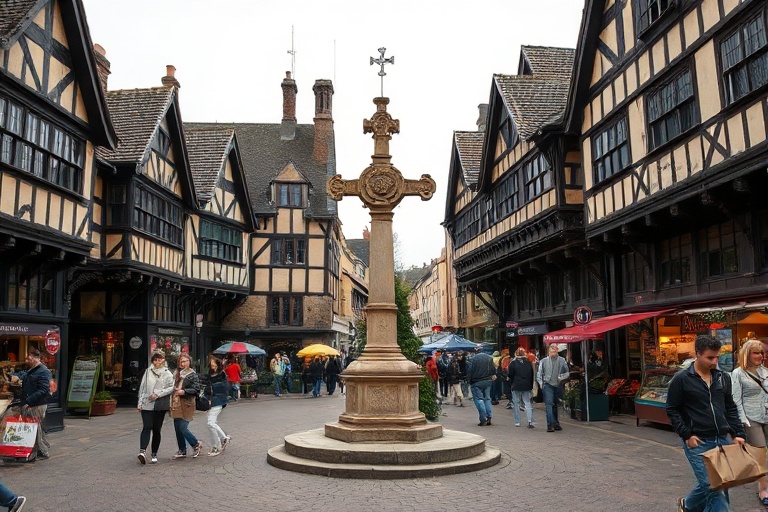
The town’s origins trace back to the Saxon era, when it served as a key trading post along the River Avon. By the medieval period, Chippenham had evolved into a bustling market town, a role it still embraces today. Its weekly market, held in the heart of the town center, has operated continuously since the 13th century, making it one of the oldest in England. For travelers interested in Britain’s layered history, Chippenham provides a tangible connection to the past without the tourist fatigue of larger destinations.
The Cultural Tapestry of Chippenham
Chippenham’s cultural scene reflects its diverse influences, shaped by centuries of trade, migration, and local creativity. The town hosts several festivals throughout the year, each celebrating a different aspect of its heritage. The Chippenham Folk Festival, for instance, attracts musicians and enthusiasts from across the globe, transforming the town into a lively hub of traditional music and dance. Meanwhile, the Chippenham Literature Festival draws authors and readers alike, fostering a community where storytelling remains a cornerstone of local identity.
Art also plays a significant role in Chippenham’s cultural landscape. The entertainment venues, such as the Pavilion and the Neeld Community & Arts Centre, regularly host exhibitions, performances, and workshops. These spaces serve as incubators for both established and emerging artists, ensuring that Chippenham’s creative spirit continues to thrive. The town’s commitment to the arts is evident in its public art installations, which often reflect local themes and history.
For those interested in a deeper cultural experience, Chippenham’s museums offer insight into the region’s past. The Chippenham Museum & Heritage Centre provides a comprehensive overview of the town’s development, from its Saxon roots to its role in the Industrial Revolution. Exhibits highlight key figures like Thomas Chipman, the town’s namesake, and its connection to the Great Western Railway, which once made Chippenham a vital transportation hub.
Architectural Gems and Urban Evolution
Chippenham’s architecture tells a story of adaptation and resilience. The town center is a patchwork of architectural styles, from medieval timber-framed buildings to Georgian and Victorian structures. One of the most striking landmarks is the St. Andrew’s Church, a 12th-century parish church that has undergone numerous renovations over the centuries. Its towering spire and intricate stonework are a testament to the town’s enduring spiritual and communal life.
The town’s urban layout has also evolved to meet modern needs while preserving its historic charm. Pedestrianized streets like Regent Street and Market Place create a welcoming atmosphere for shoppers and diners. Meanwhile, the recent development of the St. Mary’s Place area has introduced contemporary living spaces without disrupting the town’s character. This balance between old and new is a defining feature of Chippenham’s urban identity.
For architecture enthusiasts, Chippenham offers several lesser-known gems. The Yelde Hall, one of the oldest timber-framed buildings in England, dates back to the 15th century and now serves as a restaurant. Nearby, the Hardenhuish Manor showcases Elizabethan architecture, providing a glimpse into the lives of the town’s historical elite. These buildings are not just relics; they are active parts of Chippenham’s daily life, repurposed for contemporary use while retaining their historical significance.
Chippenham in the Modern Era: Economy and Lifestyle
Today, Chippenham is more than just a relic of the past; it is a thriving town with a dynamic economy. Its location, just 12 miles from Bath and 20 miles from Swindon, makes it an attractive option for commuters and businesses alike. The town has become a hub for technology and engineering firms, with companies like Renishaw and Balfour Beatty establishing a presence in the area. This industrial growth has brought new opportunities, but it has also raised questions about balancing development with the town’s historic character.
The local food scene in Chippenham reflects its cosmopolitan influences. A mix of traditional pubs, international restaurants, and farm-to-table eateries cater to diverse tastes. The Chequers Inn, a 17th-century coaching inn, offers classic British fare, while newer establishments like Pizza Express and Zizzi provide familiar comforts. For those seeking locally sourced produce, the Chippenham Farmers’ Market, held on the first and third Saturday of each month, is a must-visit.
Education and healthcare are also pillars of Chippenham’s modern infrastructure. The town is home to several well-regarded schools, including Hardenshuish School and St. Mary’s Catholic Primary School. In healthcare, the Great Western Hospital serves as a regional center, providing essential services to residents across Wiltshire. These institutions contribute to Chippenham’s reputation as a family-friendly town with a high quality of life.
A Global Perspective: Chippenham’s Place in the World
From a global standpoint, Chippenham represents a microcosm of England’s broader challenges and opportunities. Like many small towns in Europe, it grapples with the pressures of urbanization, economic diversification, and cultural preservation. Yet its ability to adapt while maintaining its identity offers lessons for communities worldwide. Chippenham’s success in balancing growth with heritage could serve as a model for towns facing similar dilemmas.
Culturally, Chippenham’s festivals and arts scene contribute to a broader narrative of grassroots cultural revival. In an era where digital connectivity often overshadows local traditions, towns like Chippenham remind us of the value of face-to-face interaction and shared experiences. The Chippenham Folk Festival, for example, not only celebrates music but also fosters a sense of community that transcends geographical boundaries.
Economically, Chippenham’s evolution reflects global trends in remote work and decentralization. The rise of hybrid work models has made towns like Chippenham attractive alternatives to overcrowded cities. Its proximity to major transport links, including the M4 motorway and railway connections to London, positions it as a strategic location for businesses and commuters alike. This shift could have long-term implications for the town’s growth and development.
Why Chippenham Matters
Chippenham may not be on every traveler’s radar, but its understated charm and resilience make it a destination worth exploring. Whether you’re drawn to its history, its cultural scene, or its modern vitality, the town offers something for everyone. For those tired of the same tourist traps, Chippenham provides an authentic English experience—one that feels both timeless and refreshingly current.
As communities worldwide seek to preserve their heritage while embracing the future, Chippenham stands as a testament to what is possible. It is a town that honors its past, nurtures its present, and looks forward to its future with cautious optimism. In a world of rapid change, places like Chippenham remind us that progress and tradition are not mutually exclusive—they can coexist, and even thrive, together.