The Argentina national football team has long been a powerhouse in international football, but the composition of their World Cup squad often determines their success. With a blend of experienced stars and emerging talent, the squad reflects both tactical evolution and cultural identity.
Understanding the Argentina World Cup squad requires looking beyond individual brilliance. It’s about how players like Lionel Messi, Emiliano Martínez, and Julián Álvarez complement each other within a structured system. This article examines the squad’s composition, key strengths, and the broader implications of their performances.
The Core of the Squad: Experience Meets Youth
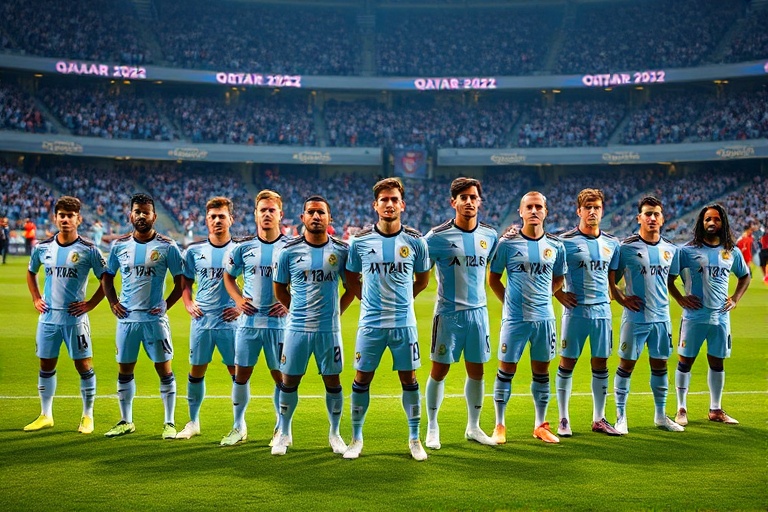
Argentina’s recent World Cup triumphs—most notably in 2022—highlighted the importance of balancing experience with fresh talent. The squad that lifted the trophy in Qatar was a carefully curated mix of seasoned veterans and rising stars, each playing a crucial role.
At the heart of the team is Lionel Messi, whose leadership and skill set the tone for the entire squad. Alongside him, players like Ángel Di María and Nicolás Otamendi provided the experience needed to navigate high-pressure moments. Meanwhile, younger talents such as Enzo Fernández and Alexis Mac Allister injected energy and dynamism into the midfield.
This blend of age and talent is no accident. Argentina’s coaching staff has prioritized a squad that can adapt to different tactical demands, whether in possession-based play or defensive solidity. The result is a team that doesn’t just rely on individual genius but operates as a cohesive unit.
Key Strengths of the Argentina World Cup Squad
The Argentina World Cup squad is built on several pillars that make them a formidable opponent in any tournament. These strengths are not just tactical but also psychological, reflecting the team’s collective mentality.
- Creative Midfield: Players like Enzo Fernández and Leandro Paredes excel in dictating the tempo of the game, combining technical skill with tactical awareness.
- Defensive Solidity: With defenders such as Lisandro Martínez and Cristian Romero, Argentina boasts a backline that is both aggressive and disciplined.
- Clinical Finishing: The squad’s ability to convert chances is unmatched, with Julián Álvarez and Paulo Dybala providing the cutting edge in attack.
- Goalkeeping Excellence: Emiliano Martínez’s shot-stopping and command of the box have been instrumental in tight matches.
These attributes were evident in Argentina’s 2022 World Cup campaign, where they conceded just four goals in seven matches. The squad’s ability to stifle opponents while maintaining attacking prowess is a testament to their tactical flexibility.
The Tactical Evolution Under Scaloni
Since taking over in 2018, Lionel Scaloni has transformed Argentina from a team in transition to a world-beating squad. His tactical approach is rooted in pragmatism, blending defensive structure with fluid attacking movements.
Under Scaloni, Argentina has adopted a 4-3-3 formation, allowing them to dominate possession while pressing high when necessary. This system maximizes the strengths of players like Messi, who thrives in a free-roaming role, and provides cover for the defensive line.
The coach’s ability to rotate the squad effectively has also been crucial. Depth in every position ensures that fatigue or injuries don’t derail their campaigns. For example, the emergence of players like Thiago Almada has given Argentina additional options in midfield.
Scaloni’s leadership has fostered a culture of resilience. Argentina’s penalty shootout victory over the Netherlands in the 2022 quarterfinals showcased their mental fortitude, a trait that has become synonymous with the squad.
Broader Implications: What Argentina’s Success Means for Football
Argentina’s World Cup triumphs extend beyond trophies. They represent a shift in football’s power dynamics, proving that South American teams can compete at the highest level with a blend of creativity and discipline.
The squad’s success has also reignited debates about the role of tactical intelligence versus individual brilliance. While Messi’s dribbling and playmaking are undeniable assets, the team’s structure ensures that his brilliance isn’t the sole focus. This balance is a blueprint for other nations looking to emulate Argentina’s success.
Additionally, Argentina’s squad reflects the country’s footballing philosophy, which emphasizes technical skill and tactical awareness over physicality. This approach has influenced younger players, who now aspire to play in a system that values creativity and intelligence.
For fans and analysts alike, Argentina’s squad serves as a reminder that football is as much about collective effort as it is about individual talent. Their success has set a new standard for what it means to be a footballing nation.
Conclusion: The Future of Argentina’s World Cup Squad
As Argentina continues to build on its recent successes, the future looks bright. The squad’s depth and tactical flexibility ensure that they remain contenders in every major tournament. With Messi’s eventual retirement looming, the next generation—led by players like Valentín Barco and Claudio Echeverri—is ready to step up.
The Argentina World Cup squad is more than just a collection of players; it’s a reflection of the country’s footballing identity. As they look to defend their title in the coming years, their journey will be one to watch, offering lessons in resilience, adaptability, and the power of collective effort.
For those interested in exploring more about football tactics and squad dynamics, check out our Sports and Analysis categories on Dave’s Locker.