Boeing 737: The Aircraft That Changed Global Air Travel Forever
“`html
The Boeing 737: A Half-Century of Engineering and Global Impact
The Boeing 737 stands as one of the most recognizable and influential aircraft in aviation history. Since its debut in the late 1960s, this narrow-body jet has reshaped air travel, connected continents, and become a symbol of both American engineering prowess and global mobility. More than just a commercial airplane, the 737 represents decades of innovation, adaptation, and cultural integration into societies worldwide.
The Origins: A Response to Market Demand
Boeing launched the 737 program in the early 1960s as a response to the growing need for a short-to-medium-range, narrow-body airliner. At the time, competitors like the Douglas DC-9 and British Aircraft Corporation’s BAC 1-11 dominated the market. Boeing sought to create a more efficient, versatile aircraft that could operate from smaller airports with limited infrastructure.
The first model, the 737-100, took its maiden flight on April 9, 1967, and entered service with Lufthansa later that year. Though initially overshadowed by larger jets, the 737 quickly found its niche. Its low operating costs, twin-engine reliability, and ability to fly into smaller regional airports made it ideal for emerging airlines and expanding route networks.
Engineering Innovations That Defined a Generation
The 737’s design incorporated several groundbreaking features for its time. One of the most notable was the placement of the engines under the wings rather than at the rear, a decision influenced by the need for ground clearance and maintenance accessibility. The aircraft also introduced a unique “eyebrow” window above the cockpit, a design element that became a signature of early 737 models.
As technology evolved, so did the 737. The introduction of the 737-300 in the late 1980s marked a significant leap with the adoption of more efficient turbofan engines and advanced avionics. This generation, known as the Classic series, improved fuel efficiency by nearly 25% compared to its predecessors, making it a favorite among airlines worldwide.
- 1984: Introduction of the 737-300, featuring improved CFM56 engines.
- 1988: Launch of the 737-400, a stretched version for higher capacity.
- 1993: Debut of the 737-500, offering better range and efficiency.
Global Reach: The 737 as a Cultural and Economic Force
Few aircraft have had as profound an impact on global connectivity as the 737. Its presence in nearly every corner of the world has made air travel accessible to millions, fostering economic growth and cultural exchange. In regions like Southeast Asia, Africa, and Latin America, the 737 became the backbone of domestic and regional air networks, enabling tourism, trade, and labor mobility.
In India, for example, the 737 played a crucial role in the expansion of low-cost carriers like IndiGo, which built its fleet around the aircraft. Similarly, in Europe, budget airlines such as Ryanair and easyJet relied heavily on the 737 to pioneer the continent’s short-haul flight revolution. These airlines democratized air travel, making it affordable for millions who previously could only dream of flying.
The 737 also became a symbol of national pride for some countries. Indonesia’s Garuda Airlines, for instance, used the 737 to connect its vast archipelago, reinforcing the nation’s identity as a unified yet geographically dispersed society. In the United States, the 737 became synonymous with domestic travel, shuttling passengers between cities large and small.
The Rise of the Next Generation
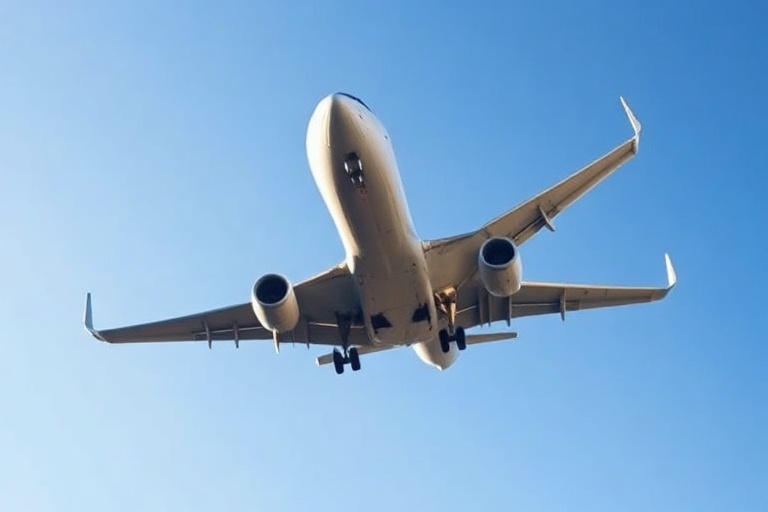
By the late 1990s, Boeing recognized the need for further modernization. The launch of the 737 Next Generation (NG) series in 1997 introduced significant upgrades, including a redesigned wing, improved cockpit displays, and quieter, more efficient engines. The NG series, which included the -600, -700, -800, and -900 models, quickly became the backbone of many airlines’ fleets.
The 737 NG series also saw the introduction of the Boeing Business Jet (BBJ), a luxury variant used by corporations and government officials. These aircraft, often customized with lavish interiors, became status symbols among global elites, further cementing the 737’s reputation as a versatile and prestigious aircraft.
Challenges and Controversies: The 737 in the Modern Era
Despite its success, the 737 has not been without its challenges. The two most significant crises in the aircraft’s history involved the 737 MAX series, a re-engined variant introduced in 2017. Two fatal crashes in 2018 and 2019, involving Lion Air and Ethiopian Airlines, led to a global grounding of the fleet and intense scrutiny of Boeing’s safety protocols.
The crashes were attributed to a flawed flight control system, the Maneuvering Characteristics Augmentation System (MCAS), which was designed to enhance stability but failed in certain conditions. The incident exposed weaknesses in Boeing’s corporate culture, regulatory oversight, and the intense pressure to compete with Airbus’ A320neo family.
- March 2019: Global grounding of the 737 MAX following the second crash.
- December 2020: FAA approves return to service after extensive modifications.
- 2021: Boeing resumes deliveries, but the MAX’s reputation remains tarnished.
In the aftermath, Boeing underwent significant reforms, including enhanced pilot training, improved transparency, and closer collaboration with regulators. The 737 MAX eventually returned to service, but the episode served as a stark reminder of the risks of prioritizing speed and cost over safety.
The Future of the 737: What Lies Ahead?
As the aviation industry looks toward sustainability, the 737 faces new challenges and opportunities. Boeing’s 737 MAX 10, the largest variant in the series, promises improved fuel efficiency and reduced emissions, aligning with the industry’s push toward carbon neutrality. Airlines are increasingly focused on sustainability, and the 737’s role in this transition will be critical.
However, the rise of electric and hydrogen-powered aircraft could eventually render the 737 obsolete. Companies like Airbus are already testing zero-emission planes, such as the ZEROe concept, which could redefine short-haul travel. For now, the 737 remains a workhorse, but its long-term future will depend on Boeing’s ability to innovate and adapt.
The 737’s legacy is undeniable. It has transported billions of passengers, enabled economic growth, and shaped the way the world connects. As aviation continues to evolve, the 737 will likely remain a vital part of the global fleet for years to come, a testament to the enduring power of engineering and human ingenuity.
For those interested in exploring other iconic aircraft, Technology offers a deep dive into the innovations that have shaped modern aviation.