<!DOCTYPE html>
<html lang="en">
<head>
    <meta charset="UTF-8">
    <meta name="viewport" content="width=device-width, initial-scale=1.0">
    <title>Del Monte Foods: A Global Legacy in Canned Goods and Beyond</title>
</head>
<body>
    <article>
        <h1>Del Monte Foods: A Global Legacy in Canned Goods and Beyond</h1>

        <p>Few brands have shaped the modern food industry as profoundly as Del Monte Foods. Founded in the late 19th century, this American powerhouse began as a consolidation of fruit packing companies before evolving into one of the most recognizable names in canned produce, beverages, and prepared foods. With operations spanning multiple continents, Del Monte has not only adapted to changing consumer tastes but has also played a pivotal role in standardizing food preservation techniques worldwide.</p>

        <p>Its journey reflects broader shifts in global agriculture, trade, and nutrition. From pioneering vacuum-sealing technology to responding to calls for healthier convenience foods, Del Monte Foods remains a case study in corporate resilience and innovation. Today, it stands not just as a purveyor of canned goods, but as a cultural touchstone in pantries from California to Cairo, Tokyo to Toronto.</p>

        <h2>The Origins: From Fruit Packing Cooperatives to Corporate Giant</h2>

        <p>The story of Del Monte begins in the orchards of California during the 1880s. A group of fruit growers in the Santa Clara Valley formed the Del Monte brand as a cooperative to improve quality control and market their produce more effectively. The name was inspired by the Del Monte Hotel, a luxurious coastal resort in Monterey, California, which itself took its name from the Spanish phrase meaning “of the mountain.”</p>

        <p>By 1892, the Del Monte Fruit Company had emerged as a dominant player in the West Coast fruit trade. It was one of the first to use tin cans for fruit preservation, a technology that would revolutionize how people stored and consumed food. Through strategic acquisitions—including the California Fruit Canners Association in 1916—the company consolidated its dominance in the canning industry.</p>

        <p>Del Monte’s early success was rooted in efficiency and scale. It established large processing plants near agricultural hubs, reducing spoilage and transportation costs. This model allowed it to supply growing urban populations with affordable, shelf-stable fruits and vegetables year-round—a novelty in an era when seasonal eating was the norm.</p>

        <h3>The Rise of a Global Food Brand</h3>

        <p>By the mid-20th century, Del Monte had expanded beyond canned peaches and pears. It ventured into vegetables, juices, and ready-to-eat meals, becoming a household staple across the United States. The company’s “Gold Label” canned foods became synonymous with quality, and its advertising campaigns in the 1950s and 60s promoted convenience in the kitchen, aligning with the rise of suburban homemaking.</p>

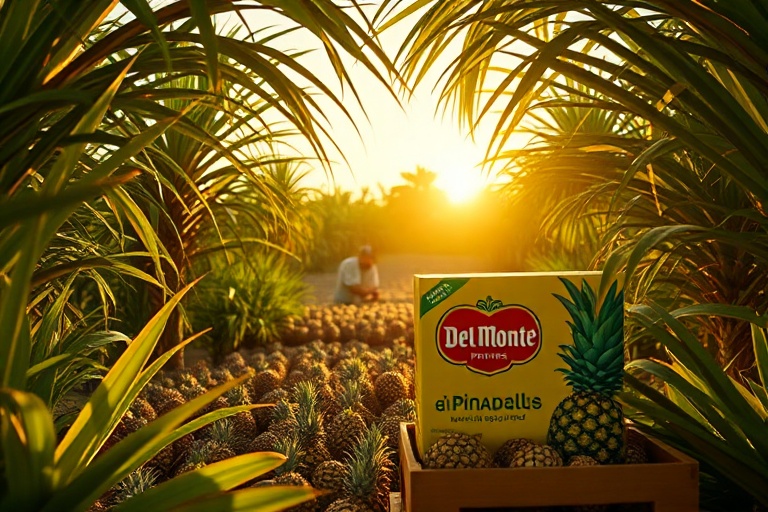
        <p>Del Monte also played a key role in international markets. It established operations in the Philippines, Mexico, and Europe, adapting products to local tastes and agricultural conditions. In Asia, for example, Del Monte introduced pineapple products that resonated with both local consumers and export markets. Today, the Philippines remains one of the world’s largest producers of Del Monte-branded pineapples.</p>

        <h2>Cultural Influence: More Than Just a Can on the Shelf</h2>

        <p>Del Monte Foods has embedded itself in global food culture in ways that go beyond mere consumption. Its products have appeared in school lunches, military rations, and emergency food supplies, making it a silent partner in public health and nutrition initiatives worldwide.</p>

        <p>In American pop culture, Del Monte is often referenced in nostalgic contexts—think of the iconic green cans in vintage advertisements or the brand’s mascot, the Del Monte parrot, which became a symbol of freshness and reliability. The company also became a subject of corporate lore, with stories of its marketing genius and supply chain innovations circulating in business schools.</p>

        <p>Internationally, Del Monte’s presence has influenced dietary habits. In countries like India and parts of Africa, where fresh produce spoilage is a persistent challenge, Del Monte’s canned fruits and juices offer a reliable alternative. The brand has worked with local farmers, providing training and infrastructure to improve crop yields while ensuring quality standards.</p>

        <h3>A Legacy of Innovation in Food Preservation</h3>

        <p>Del Monte was among the first to adopt aseptic canning technology, which allows food to be sterilized and sealed in a sterile environment, extending shelf life without refrigeration. This innovation was particularly impactful in regions with limited cold storage infrastructure.</p>

        <p>The company also pioneered the use of aluminum cans and microwaveable packaging, responding to changing consumer lifestyles. In the 1990s, as health trends shifted toward fresh and organic foods, Del Monte expanded its portfolio to include low-sodium, no-sugar-added, and organic varieties.</p>

        <h2>Modern Challenges and the Future of Del Monte</h2>

        <p>Despite its storied history, Del Monte faces modern challenges: rising ingredient costs, competition from fresh food startups, and consumer demand for transparency in sourcing. The company has responded by investing in sustainable agriculture, reducing plastic use in packaging, and launching plant-based product lines.</p>

        <p>It has also embraced technology, using blockchain to trace produce from farm to shelf and AI to optimize supply chains. These efforts reflect a broader industry trend toward responsible capitalism, where legacy brands must balance tradition with innovation.</p>

        <h3>Del Monte Today: A Brand in Transition</h3>

        <p>Today, Del Monte Foods operates as a subsidiary of Del Monte Pacific Limited, headquartered in the Philippines. The company remains a leader in canned fruits and juices, with a strong presence in over 60 countries. Its product lines now include coconut water, tomato products, and frozen fruits—expanding beyond its original canned fruit roots.</p>

        <p>While it no longer dominates the American grocery aisle as it once did, Del Monte retains a loyal customer base, especially among older demographics and in international markets where canned goods remain essential.</p>

        <h2>Why Del Monte Still Matters</h2>

        <p>Del Monte Foods is more than a relic of early 20th-century capitalism. It represents a chapter in the globalization of food systems, the democratization of nutrition, and the evolution of consumer behavior. Its story intersects with labor history, agricultural science, advertising, and public health.</p>

        <p>The brand’s endurance speaks to its ability to reinvent itself while maintaining core values: quality, consistency, and accessibility. In an era where food waste and sustainability are global priorities, Del Monte’s early work in preservation takes on new relevance.</p>

        <p>It also offers lessons in corporate adaptability. Few companies have navigated so many economic cycles, cultural shifts, and technological revolutions while retaining their name in the public consciousness. Whether it’s the familiar golden label on a can of peaches or the tropical vibe of its pineapple juice ads, Del Monte continues to evoke a sense of reliability and tradition.</p>

        <p>As younger generations rediscover convenience foods with a conscience, Del Monte’s next chapter may hinge on its ability to merge nostalgia with innovation—proving that sometimes, the old ways are the sustainable ones.</p>

        <h2>Exploring Further: Del Monte in Context</h2>

        <p>To learn more about the evolution of food preservation technology, visit our <a href="/category/science/">Science</a> section. For deeper analysis on how global brands shape local diets, explore our <a href="/category/culture/">Culture</a> category.</p>

        <p>Del Monte’s journey reminds us that the most enduring brands are not just built on products, but on partnerships—with farmers, consumers, and the land itself.</p>
    </article>