Eddie Stobart: How a British Trucking Icon Defined an Industry
“`html
The Origins of a British Institution
Eddie Stobart is more than just a name attached to lorries—it’s a brand that has embedded itself into the cultural fabric of the United Kingdom. The company’s story begins in 1970, when Eddie Stobart, a young entrepreneur from Cumbria, England, borrowed £200 to purchase his first lorry. What started as a modest haulage business quickly expanded, fueled by Stobart’s relentless work ethic and a knack for spotting opportunities in the growing logistics industry.
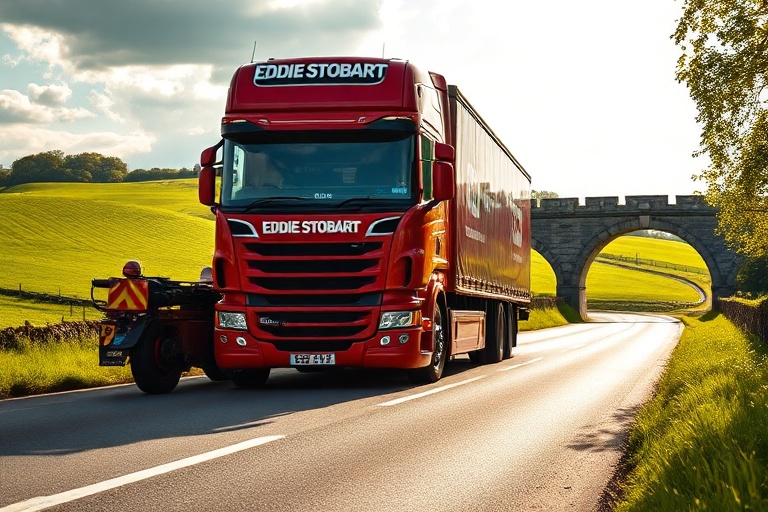
By the late 1970s, the company had begun painting its trucks in a distinctive green and white livery, a move that would soon make them instantly recognizable. The decision to add the names of employees to the cabs was another masterstroke, transforming drivers into local celebrities. This personal touch created a sense of pride and loyalty among workers, setting Eddie Stobart apart from its competitors.
The Rise of a Cultural Phenomenon
The 1980s and 1990s saw Eddie Stobart evolve from a regional haulage firm into a national icon. The company’s trucks became a staple on British motorways, their eye-catching designs drawing attention from motorists and media alike. The late 1980s brought further fame when the BBC aired a documentary series, Eddie Stobart: The Trucks and the Lads, which followed the lives of drivers and the inner workings of the business. The show’s success cemented the company’s place in popular culture, turning it into a household name.
Eddie Stobart’s influence extended beyond logistics. The company became a symbol of British industrial pride, embodying the grit and determination of a nation rebuilding its economy. The trucks, often adorned with slogans like “Stobart—We’re the Best” or “Stobart—The Name You Can Trust,” became rolling billboards for reliability and efficiency. This era also saw the company expand its services, moving into warehousing, distribution, and even retail, diversifying its business model.
Global Expansion and Modern Challenges
In the 21st century, Eddie Stobart sought to transcend its British roots and establish itself as a global player. The company expanded into Europe, acquiring stakes in continental haulage firms and forming partnerships with international logistics providers. This global push was driven by the booming e-commerce industry, which demanded faster and more efficient supply chains. Eddie Stobart positioned itself as a key player in this evolving landscape, offering integrated logistics solutions to major retailers and manufacturers.
However, growth came with its challenges. The company faced financial struggles in the late 2010s, culminating in a takeover by a consortium of investors in 2021. Despite these hurdles, Eddie Stobart has remained resilient, continuing to innovate in areas like sustainability and digitalization. Today, the company operates a fleet of over 3,000 trucks and employs thousands across the UK and Europe, proving that its legacy is far from over.
The Legacy of Eddie Stobart
The impact of Eddie Stobart extends far beyond the logistics industry. The company’s trucks have become a symbol of British ingenuity and perseverance, inspiring countless entrepreneurs and workers. Its influence can be seen in the way modern haulage firms approach branding and customer engagement, with many adopting similar personal touches to foster loyalty among employees and clients.
Eddie Stobart has also left its mark on popular culture. The trucks have been featured in films, television shows, and even video games, further embedding the brand into the public consciousness. The company’s annual calendar, featuring its trucks and drivers, remains a sought-after item for enthusiasts. This blend of business acumen and cultural relevance is a testament to Eddie Stobart’s enduring appeal.
Lessons from a British Icon
For aspiring entrepreneurs and business leaders, Eddie Stobart offers several key lessons. First, the power of branding cannot be overstated. Eddie Stobart’s distinctive livery and personal touches turned its trucks into mobile advertisements, creating a strong visual identity. Second, innovation is critical. The company’s ability to adapt—whether through diversification, global expansion, or technological advancements—has been central to its survival.
Finally, Eddie Stobart demonstrates the importance of community. By naming trucks after drivers and fostering a sense of pride among employees, the company built a culture that extended beyond the workplace. This approach not only boosted morale but also created a loyal customer base that saw Eddie Stobart as more than just a haulage firm.
As the logistics industry continues to evolve, Eddie Stobart’s story serves as a reminder of the power of resilience and adaptability. From its humble beginnings in Cumbria to its status as a global brand, the company’s journey is a testament to the enduring appeal of hard work and innovation. Whether you’re a fan of trucks, a student of business, or simply someone who appreciates a good success story, Eddie Stobart’s legacy is one worth celebrating.
Explore More
Interested in learning about other iconic British brands? Check out our Automotive section for more stories about companies that have shaped industries and cultures.