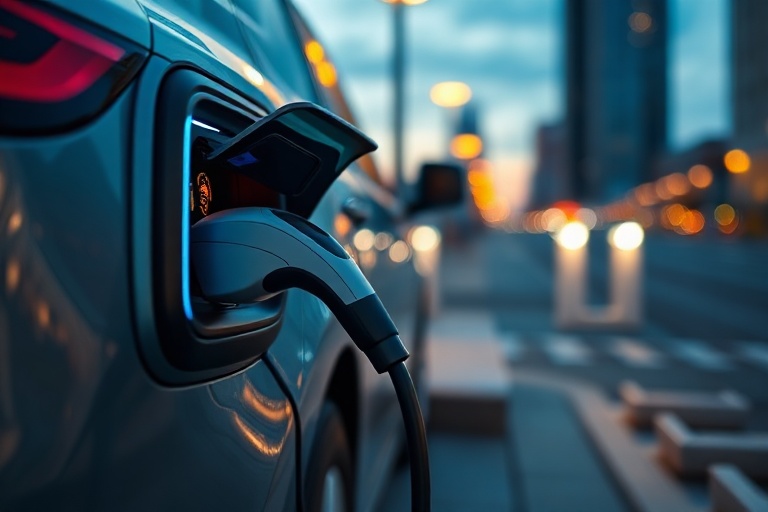
What Is EO Charging and Why It’s Gaining Attention
EO Charging has quietly positioned itself as a key player in the electric vehicle (EV) charging ecosystem, offering hardware, software, and turnkey solutions for businesses and fleets transitioning to electrification. Founded in 2017 and headquartered in the UK, the company designs and manufactures AC and DC charging stations, with a strong focus on smart charging and fleet electrification. What sets EO Charging apart is its vertically integrated approach, combining in-house engineering with proprietary software to deliver scalable charging infrastructure.
Unlike traditional charging providers that rely on third-party hardware, EO Charging controls the entire product lifecycle—from firmware to user interface. This integration allows for greater reliability, over-the-air updates, and a consistent user experience across its network. The company serves a diverse customer base, including commercial fleets, workplaces, and public charging networks, making it a relevant name as governments and corporations accelerate their EV adoption plans.
The Technology Behind EO Charging’s Systems
EO Charging’s product lineup includes several charging solutions tailored to different use cases. The EO Mini Pro 3, a compact 7.4 kW AC charger, is popular for home and workplace installations due to its sleek design and smart connectivity. For higher-power needs, the EO Genius 60 and 125 kW DC chargers deliver rapid charging for commercial and fleet operations. All devices support OCPP (Open Charge Point Protocol), enabling interoperability with third-party management systems and energy platforms.
The company’s software suite, EO Cloud, provides remote monitoring, energy management, and billing capabilities. Fleet operators benefit from features like load balancing, peak shaving, and scheduled charging, which help reduce energy costs and grid strain. EO Charging also integrates with renewable energy sources, allowing users to optimize charging schedules based on solar or wind availability. This forward-thinking approach aligns with the growing demand for sustainable infrastructure.
Another standout feature is EO Charging’s vehicle-to-grid (V2G) readiness. While not all chargers support bidirectional power flow yet, EO’s platform is designed to accommodate future V2G implementations, which could allow EVs to feed energy back into the grid. This positions the company at the forefront of next-generation charging technology.
EO Charging in Commercial and Fleet Applications
Commercial fleets represent a major opportunity for EO Charging. Businesses transitioning from diesel or gasoline to electric vehicles need reliable, high-capacity charging to keep operations running smoothly. EO’s DC fast chargers are well-suited for depots where multiple vehicles require rapid top-ups within a short window. For example, logistics companies and delivery services can install EO Genius units to charge vans overnight or during off-peak hours, minimizing downtime.
The company has secured partnerships with major fleet operators, including Amazon’s electric delivery vans in Europe and US-based logistics firms. These collaborations highlight EO Charging’s ability to deliver scalable solutions that meet the demands of high-mileage fleets. Additionally, EO’s chargers are compatible with a wide range of electric vehicles, from light commercial vans to heavy-duty trucks, making them a versatile choice for diverse fleet needs.
Workplace charging is another growth area. EO’s AC chargers are ideal for office buildings, retail centers, and parking facilities where drivers need convenient overnight charging. The EO Mini Pro 3, for instance, can be installed in tight spaces and offers features like RFID authentication and mobile app control. As more companies adopt EV policies for employees, demand for reliable workplace charging solutions is expected to rise.
Challenges and Competitive Landscape
Despite its strengths, EO Charging faces competition from established players like ChargePoint, ABB, and Tesla, as well as emerging brands targeting niche markets. One challenge is the fast-evolving regulatory landscape. In the UK and EU, grants and incentives for EV charging infrastructure are available, but policies can change rapidly, affecting project timelines. EO Charging must stay agile to capitalize on these opportunities while navigating supply chain constraints common in the tech manufacturing sector.
Another consideration is the balance between hardware and software innovation. While EO Charging excels in hardware reliability and software integration, it must continue investing in R&D to keep pace with competitors offering advanced features like AI-driven energy optimization or blockchain-based charging networks. Additionally, global expansion requires adapting to local market needs, such as voltage standards, climate considerations, and customer preferences.
To stay competitive, EO Charging has focused on strategic acquisitions and partnerships. In 2022, the company acquired Open Energi, a UK-based energy flexibility specialist, to enhance its smart charging capabilities. This move underscores EO’s commitment to becoming a full-stack provider in the EV charging space. However, integrating new technologies and cultures post-acquisition can present operational challenges.
EO Charging’s Role in the Broader EV Ecosystem
EO Charging is more than just a hardware manufacturer—it’s a critical enabler of the broader EV transition. By offering flexible, scalable solutions, the company helps reduce barriers to electrification for businesses and municipalities. Its software-driven approach also supports grid stability, a growing concern as EV adoption increases. For instance, EO Cloud’s load management features can prevent local grid overloads during peak charging times, benefiting both utilities and consumers.
The company’s involvement in public charging networks further expands its impact. EO chargers are deployed in urban hubs, shopping centers, and highway rest stops, providing drivers with reliable access to charging infrastructure. This visibility helps normalize EV ownership and builds confidence in the charging ecosystem. As governments set ambitious targets for zero-emission vehicles, companies like EO Charging will play a pivotal role in making those goals achievable.
Looking ahead, EO Charging is well-positioned for growth. The global EV charging market is projected to reach $111.9 billion by 2027, driven by government policies, corporate sustainability goals, and consumer demand. EO’s focus on commercial and fleet solutions aligns with this trajectory, particularly as businesses seek to decarbonize their operations. With ongoing innovations in smart charging, energy integration, and bidirectional power, EO Charging is carving out a distinct niche in a crowded market.
How Businesses Can Evaluate EO Charging for Their Needs
For companies considering EO Charging for their electrification projects, several factors should be evaluated. First, assess your charging requirements—whether you need AC chargers for overnight parking or DC fast chargers for fleet operations. EO offers a range of power outputs, so matching the charger to your vehicle types and usage patterns is crucial.
Next, consider the software ecosystem. EO Cloud provides essential tools for monitoring, billing, and energy management, but integration with existing systems (e.g., fleet management software or ERP platforms) should be tested. The company’s customer support and warranty policies are also worth reviewing, as downtime can be costly for commercial operations.
Finally, think about scalability. EO Charging’s modular solutions allow for incremental expansion, which is valuable for businesses planning phased electrification. Whether you’re a small business installing a few chargers or a large fleet operator deploying hundreds, EO’s platform can adapt to your needs.
To learn more about EV charging solutions and how they fit into broader energy strategies, visit our Technology and Automotive category pages for additional insights and resources.
Conclusion: A Strategic Partner for the EV Revolution
EO Charging represents a compelling option for businesses and fleets navigating the complexities of electrification. Its combination of reliable hardware, smart software, and fleet-focused solutions addresses critical needs in the transition to electric mobility. While challenges remain—from regulatory hurdles to competitive pressures—EO’s strategic moves and customer-centric approach position it as a key player in the EV charging ecosystem.
As the demand for clean transportation grows, companies like EO Charging will be instrumental in shaping the infrastructure of the future. For businesses ready to embrace electrification, EO offers a robust, scalable pathway forward. With continued innovation and expansion, EO Charging is not just keeping pace with the EV revolution—it’s helping drive it.