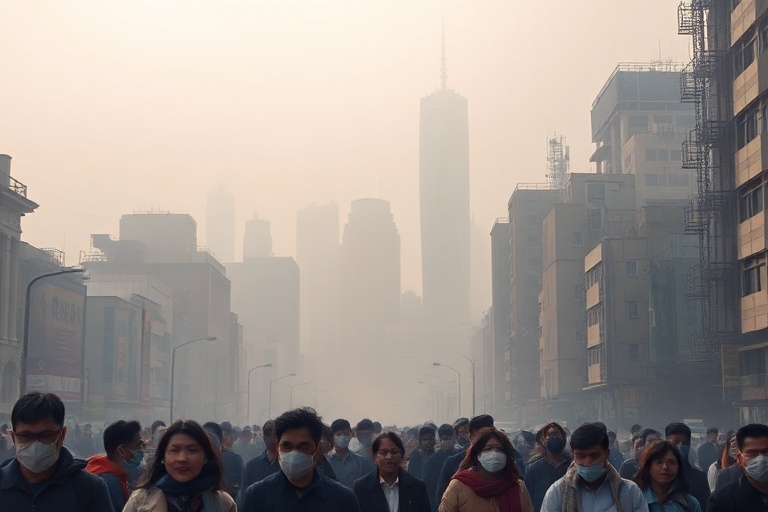
Exploring Air Pollution: Causes, Effects, and Solutions
Understanding Air Pollution: Causes and Effects
Air pollution remains one of the most pressing environmental issues of our time. It affects millions of lives globally and poses significant health risks. The sources of air pollution are diverse, ranging from industrial emissions to vehicular exhaust. Understanding these causes is essential for developing effective strategies to combat this issue.
One of the primary contributors to air pollution is the burning of fossil fuels. This process releases harmful substances such as carbon monoxide, sulfur dioxide, and nitrogen oxides into the atmosphere. In urban areas, the proliferation of vehicles exacerbates the problem, as traffic congestion leads to increased emissions.
Health Implications of Air Pollution
The health implications of air pollution are severe and far-reaching. Exposure to polluted air can result in a variety of health issues, including respiratory diseases, cardiovascular problems, and even premature death. Vulnerable populations, such as children and the elderly, are particularly at risk.
Research indicates that long-term exposure to high levels of air pollution can lead to chronic health conditions. For instance, studies have shown a strong correlation between air quality and the incidence of asthma in children. Additionally, air pollutants can exacerbate existing health issues, making management more difficult for individuals with pre-existing conditions.
Environmental Consequences
Air pollution does not only affect human health; it also has significant environmental consequences. Pollutants can lead to acid rain, which damages ecosystems and water sources. Furthermore, particulate matter can settle on soil and water, disrupting local flora and fauna.
Another alarming consequence of air pollution is its impact on climate change. Greenhouse gases, such as carbon dioxide and methane, contribute to global warming. This, in turn, leads to extreme weather conditions, which can have devastating effects on agriculture and biodiversity.
Strategies for Mitigation
Addressing air pollution requires a multi-faceted approach. Governments, organizations, and individuals all play a crucial role in reducing emissions and improving air quality. Here are some key strategies for mitigation:
- Transition to Renewable Energy: Shifting from fossil fuels to renewable energy sources, such as solar and wind, can significantly reduce emissions.
- Enhance Public Transportation: Investing in efficient public transport systems can decrease the number of vehicles on the road, leading to lower emissions.
- Regulate Industrial Emissions: Strict regulations on industries can help limit the amount of pollutants released into the air.
- Promote Green Spaces: Increasing vegetation in urban areas can improve air quality, as plants naturally filter pollutants.
- Raise Public Awareness: Educating the public about the effects of air pollution and ways to reduce personal emissions can foster community engagement.
Implementing these strategies can lead to significant improvements in air quality. Collaborative efforts between governments, businesses, and communities are essential to create a sustainable future.
Conclusion
Air pollution is a complex issue with profound implications for health, the environment, and climate change. Understanding its causes and effects is crucial in the fight against it. By adopting effective mitigation strategies, we can work towards cleaner air for future generations. Collective action is needed now more than ever to address this global challenge.
For more information on environmental topics and health-related issues, visit our environment category and health category.