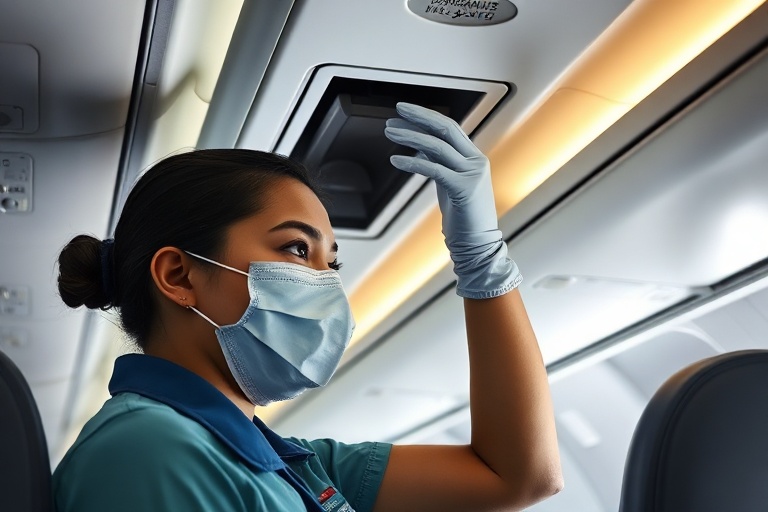
flight attendant hantavirus
“`html
Understanding the Hantavirus Risk in Flight Cabins
The hantavirus is a rare but serious respiratory illness primarily transmitted through the droppings, urine, or saliva of infected rodents. While most commonly associated with rural or wilderness areas, recent concerns have emerged about its potential presence in urban and high-traffic environments—including commercial airplanes. Recent case reports have raised questions about how hantavirus could affect flight attendants, who spend long hours in confined spaces where exposure risks might exist.
Hantavirus Pulmonary Syndrome (HPS) was first identified in 1993 in the southwestern United States, following a cluster of unexplained respiratory illnesses linked to deer mice. Since then, sporadic cases have been reported across North and South America, Europe, and Asia. While person-to-person transmission is extremely rare, the virus poses a significant threat in enclosed settings where rodent contamination may occur—making air travel a potential, though uncommon, risk vector.
How Hantavirus Could Reach Aircraft: Routes of Exposure
Hantavirus is not airborne in the traditional sense, but inhalation of aerosolized viral particles from dried rodent excreta remains the primary transmission route. In the context of commercial aviation, several scenarios could theoretically expose flight crews or passengers:
- Pre-flight contamination: Aircraft parked overnight or during layovers in regions with rodent activity—particularly in older or poorly maintained hangars—may carry residual contamination in cargo holds, lavatories, or galleys.
- Cargo and baggage handling: Rodent infestations in warehouses or cargo facilities could lead to contaminated shipments entering the aircraft. Flight attendants handling baggage or working near cargo areas face indirect exposure risks.
- International travel corridors: Hantavirus strains vary by region. For example, the Seoul virus is prevalent in parts of Asia and Europe, while the Andes virus circulates in South America. Flights connecting high-risk areas increase the theoretical possibility of viral importation, though documented cases remain isolated.
- Cleaning and maintenance gaps: Inadequate sanitation protocols between flights—especially on older aircraft or in regions with limited regulatory oversight—could allow rodent residues to persist in hidden areas like ductwork or overhead compartments.
Despite these possibilities, the U.S. Centers for Disease Control and Prevention (CDC) and the World Health Organization (WHO) emphasize that the risk of contracting hantavirus on an airplane is extremely low. No confirmed cases of in-flight transmission have been documented. However, the psychological impact on flight crews—who are already exposed to high stress and long hours—can be significant, especially amid growing public awareness of infectious disease risks in travel.
Global Variations: Hantavirus Strains and Regional Risks
The hantavirus family includes over 20 known strains, each associated with specific rodent hosts and geographic regions. Understanding these variations provides context for the risks faced by flight attendants operating across international routes:
- Sin Nombre virus (North America): The most common cause of HPS in the U.S. and Canada, carried by the deer mouse. Outbreaks are typically seasonal, peaking in spring and summer.
- Puumala virus (Europe): Widespread in Scandinavia and Western Europe, it causes a milder form of HPS known as nephropathia epidemica. Transmission occurs via the bank vole.
- Andes virus (South America): Unique for its rare person-to-person transmission, this strain is found in Argentina and Chile, linked to the long-tailed rice rat. It has caused small clusters of cases in rural communities.
- Seoul virus (Asia and Europe): Associated with the brown rat, it causes a more severe form of HPS and has been detected in urban environments, including ports and warehouses.
For flight attendants, regional awareness is critical. Crews flying between continents may encounter varying public health guidelines, sanitation standards, and even cultural attitudes toward rodent control. In some countries, rodent infestations in transport hubs are normalized due to climate, infrastructure, or economic factors—creating silent risk zones that travelers rarely consider.
European airlines, for instance, often adhere to stricter biosecurity protocols than carriers in parts of Asia or South America, where rodent-related diseases are more endemic. This disparity highlights the importance of global health equity and the need for standardized sanitation practices across the aviation industry.
Protecting Flight Attendants: Prevention and Policy Gaps
While the risk of hantavirus transmission on flights remains low, proactive measures can further reduce exposure for flight crews. Airlines and aviation authorities have implemented various strategies, though gaps persist in oversight and enforcement:
- Enhanced pre-flight inspections: Some carriers now conduct rodent deterrent checks in cargo holds and lavatories before departure, particularly on overnight or long-haul flights.
- Training and awareness: Flight attendants receive general infectious disease training, but specialized education on zoonotic pathogens like hantavirus is inconsistent. A 2022 survey by the Association of Flight Attendants (AFA) found that only 34% of respondents felt adequately informed about rodent-borne illnesses.
- Sanitation standards: The International Air Transport Association (IATA) recommends regular deep cleaning of aircraft, but compliance varies. Older planes or those operated by budget airlines may lag in maintenance protocols.
- Personal protective equipment (PPE): While gloves and face masks are standard during cleaning, specialized respirators are rarely used unless a specific contamination event is suspected.
- Reporting and monitoring: The CDC’s Travel Health Notices system alerts travelers to disease risks, but flight crews lack a dedicated reporting mechanism for suspected exposures. This creates blind spots in data collection.
Cultural attitudes toward pest control also shape risk levels. In Japan, for example, strict hygiene standards in public spaces—including airports—reduce rodent activity. Conversely, in parts of Africa and South Asia, open-air markets and informal transport hubs often coexist with rodent populations, increasing the likelihood of contamination entering supply chains.
Airlines operating in high-risk regions have begun adopting integrated pest management (IPM) programs, combining traps, baits, and habitat modification. However, these efforts are often reactive rather than preventive, responding to incidents rather than preventing them. The absence of a global aviation-specific health standard for zoonotic pathogens leaves much to individual carriers’ discretion.
Conclusion: Balancing Risk and Reality in Air Travel
Hantavirus in the context of flight attendants is not a cause for widespread alarm, but it underscores a broader challenge in global health: the intersection of infectious disease, urbanization, and travel. While the likelihood of exposure on an airplane remains minimal, the psychological and operational impacts on flight crews are real. A single suspected case—even if later debunked—can trigger operational disruptions, media scrutiny, and crew anxiety.
For flight attendants, vigilance and advocacy are key. Supporting stronger training programs, transparent reporting systems, and global health standards could mitigate risks before they escalate. Meanwhile, passengers can rest assured that the aviation industry’s multilayered safety protocols—designed for everything from norovirus to bed bugs—extend protection against even the rarest threats.
The hantavirus story is a reminder that in our interconnected world, health risks know no borders. But with informed policies and proactive measures, the skies remain as safe as ever—one pressurized cabin at a time.
For more insights into travel health and aviation safety, explore our Travel and Health categories on Dave’s Locker.
—
METADATA
{
“title”: “Hantavirus Risk for Flight Attendants: What You Need to Know”,
“metaDescription”: “Could hantavirus be a hidden risk for flight attendants? Learn about transmission risks, global strains, and prevention in aircraft.”,
“categories”: [“Health”, “Travel”],
“tags”: [“hantavirus”, “flight attendant health”, “aircraft sanitation”, “aviation safety”, “infectious disease”],
“imageDescription”: “A flight attendant in uniform inspecting a commercial airplane cabin, with subtle visual cues of rodent deterrents like traps and sealed storage, set in a dimly lit hangar at night. The mood is professional and alert, emphasizing safety and vigilance.”
}
—END METADATA—
“`