Great Yarmouth: History, Beaches & Culture on England’s East Coast
“`html
Great Yarmouth: A Coastal Town Rich in History and Seaside Charm
Great Yarmouth, often simply called Yarmouth, is a town on the east coast of England that blends maritime heritage with modern seaside appeal. Situated where the River Yare meets the North Sea, this Norfolk gem has evolved from a fishing hub into a tourist destination without losing its working-class roots. The town’s long, sandy beaches, historic beachfront and lively Pleasure Beach draw visitors year-round, while its museums, markets, and maritime festivals keep locals engaged.
The town’s origins trace back to Roman times, when it was a small settlement known as Gariannonum. By the Middle Ages, Yarmouth had grown into one of England’s most important fishing ports, particularly for herring. Today, remnants of that history remain in the narrow medieval lanes and the sturdy flint-built buildings that line the town centre. The 12th-century St Nicholas’ Church, with its distinctive round tower, stands as a testament to the town’s enduring character.
The Seaside Experience: Beaches, Attractions, and Year-Round Appeal
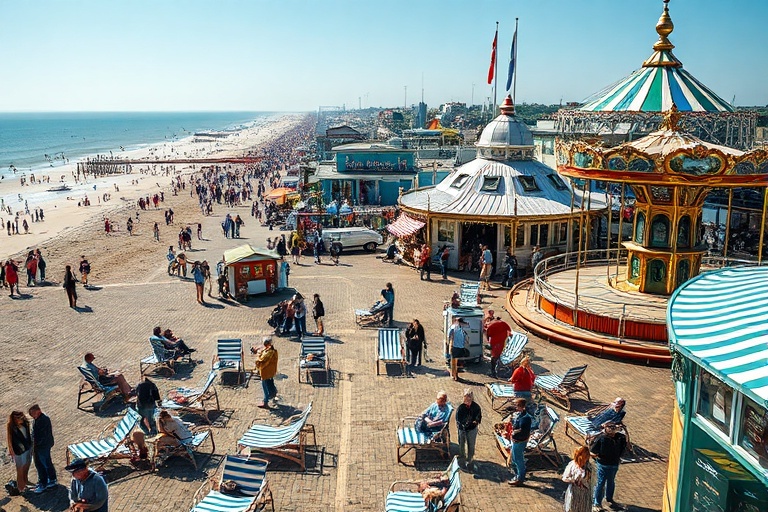
Great Yarmouth’s coastline is its greatest asset. The town boasts over two miles of sandy beaches, backed by a classic British seafront complete with arcades, cafes, and the iconic Pleasure Beach. The beach huts, painted in vibrant hues, add a splash of colour to the skyline, while the nearby Wellington Pier continues to host family-friendly attractions and events.
Seasonal tourism drives much of the local economy. In summer, the beaches fill with sunbathers, paddleboarders, and cyclists exploring the promenade. The annual Yarmouth Arts Festival and the Maritime Festival celebrate the town’s creative and seafaring spirit, drawing crowds with live music, art exhibitions, and heritage walks. Even in winter, the town retains its warmth, with indoor attractions like the Time and Tide Museum offering a glimpse into Norfolk’s fishing and maritime past.
For those seeking adventure beyond the sand, Great Yarmouth delivers with its array of water sports. Sailing, kayaking, and windsurfing are popular along the coast, while the nearby Breydon Water provides a quieter alternative for nature lovers. The town’s proximity to the Norfolk Broads also makes it an ideal base for boating enthusiasts looking to explore the region’s tranquil waterways.
A Working Port with a Thriving Food Scene
While tourism plays a significant role in Great Yarmouth’s economy, the town remains a functioning port with a bustling fishing industry. The South Quay is a hive of activity, where trawlers unload their daily catch. Fresh seafood is a staple here, and visitors can sample locally sourced crab, shrimp, and mussels at the town’s seafood stalls and restaurants. The annual Yarmouth Fish Festival, held each May, celebrates this culinary tradition with cooking demonstrations, tastings, and family-friendly activities.
The town’s culinary landscape extends beyond seafood. Independent cafes, bakeries, and pubs dot the streets, offering everything from traditional Norfolk platters to international cuisine. The historic market on the corner of Market Gates and Regent Street is a must-visit, where local vendors sell fresh produce, cheeses, and handmade crafts. For those with a sweet tooth, the town is famous for its homemade rock candy, a tradition dating back to Victorian times.
Great Yarmouth’s food scene is also a reflection of its diverse community. Over the years, the town has welcomed immigrants from across Europe and beyond, bringing with them a rich tapestry of culinary influences. This diversity is evident in the variety of international restaurants, from Italian trattorias to Indian curry houses, that line the streets. The town’s multicultural festivals, such as the Yarmouth Caribbean Carnival, further highlight this vibrant blend of cultures.
Architecture and Culture: From Victorian Grandeur to Modern Revival
Great Yarmouth’s architectural landscape is a fascinating mix of old and new. The town’s Victorian and Edwardian buildings, many of which were constructed during its boom as a seaside resort, give it a distinctly grand feel. The Royal Arcade, built in 1898, is a prime example, with its ornate ironwork and mosaic floors. Nearby, the Hippodrome Circus, one of the few surviving Victorian circuses in the world, continues to host performances, blending tradition with contemporary acts.
The town’s cultural scene is equally impressive. The Great Yarmouth Minster, a 12th-century church with a striking Gothic façade, hosts regular concerts and events. The Norfolk Museums Service operates several sites in the town, including the Time and Tide Museum, which explores the region’s maritime history, and the Elizabethan House Museum, a beautifully preserved 16th-century dwelling that offers a glimpse into Tudor life.
In recent years, Great Yarmouth has seen a wave of regeneration, with new developments breathing fresh life into the town. The Yarmouth Outer Harbour project, for example, aims to revitalise the waterfront area, creating new leisure and commercial spaces. Meanwhile, the Great Yarmouth Heritage Action Zone, funded by Historic England, is working to preserve and enhance the town’s historic buildings, ensuring that its architectural heritage remains a defining feature of the town.
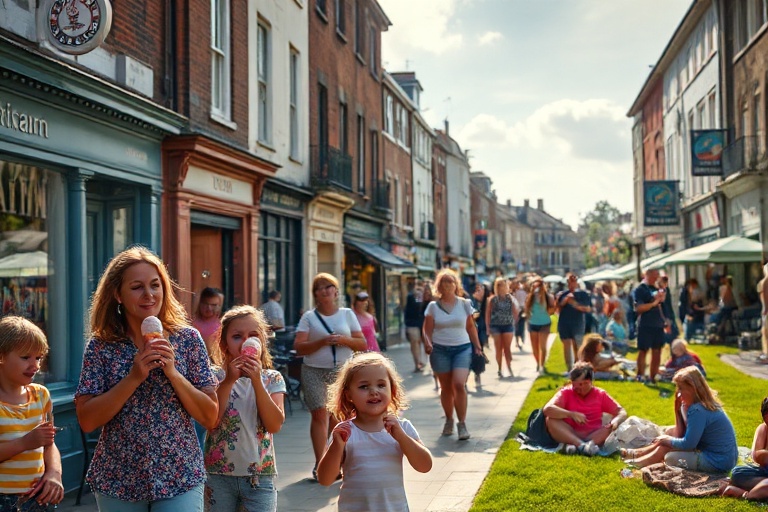
Despite these modern advancements, Great Yarmouth has managed to retain its authentic charm. Unlike some seaside towns that have become overly commercialised, Yarmouth retains a working-class grit and a sense of community that is palpable in its markets, pubs, and festivals. This balance between preservation and progress is what makes the town so appealing to both visitors and residents alike.
Getting There and Making the Most of Your Visit
Great Yarmouth is easily accessible by road, rail, and even air. The town is located just off the A47, making it a straightforward drive from Norwich (about 20 miles away) and other major cities. The Great Yarmouth railway station is served by regular trains from London, Norwich, and other parts of East Anglia, with the journey from London taking around 2.5 hours. For those flying in, the nearest airports are Norwich International Airport and London Stansted, both of which are within a two-hour drive.
Once in town, getting around is simple. The Great Yarmouth Transport Museum offers a unique way to explore the town’s history, with vintage trams and buses on display. Alternatively, the town’s dial-a-ride service provides accessible transport for those with mobility issues. For those who prefer to explore on foot, the town centre is compact and pedestrian-friendly, with many attractions within easy walking distance.
For visitors planning a longer stay, Great Yarmouth serves as an excellent base for exploring the surrounding area. The Norfolk Broads, a network of navigable rivers and lakes, are just a short drive away, offering opportunities for boating, fishing, and wildlife spotting. The nearby towns of Lowestoft and Beccles are also worth a visit, each offering their own unique blend of history and charm.
Why Great Yarmouth Stands Out
Great Yarmouth is more than just a seaside town. It’s a place where history and modernity coexist, where the rhythms of daily life are dictated by the tides, and where the past is celebrated in every cobblestone and seagull cry. Whether you’re drawn by the allure of the beach, the promise of fresh seafood, or the lure of historic architecture, Yarmouth offers something for everyone.
The town’s resilience is evident in its ability to reinvent itself while staying true to its roots. From its thriving fishing industry to its vibrant cultural scene, Great Yarmouth is a town that refuses to be pigeonholed. It’s a place where families return year after year, where artists find inspiration in its light and landscapes, and where visitors leave with a sense of having experienced something truly unique.
As Great Yarmouth continues to evolve, it remains a testament to the enduring appeal of Britain’s coastal towns. Whether you’re looking for a weekend getaway, a cultural escape, or a taste of authentic Norfolk life, this town delivers. And perhaps that’s why, after all these years, Great Yarmouth still feels like a hidden gem—one that’s waiting to be discovered.