Understanding the Hidden Struggles Behind ‘Her Private Hell’
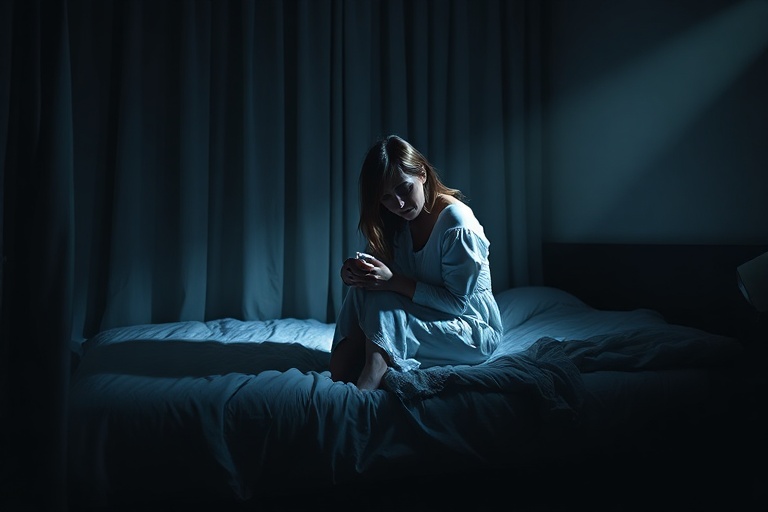
Public narratives often simplify human suffering into digestible soundbites. The phrase “her private hell” evokes images of quiet agony, untold pain buried beneath appearances. While the term itself is not new, its application in contemporary discussions reveals a broader cultural reluctance to confront invisible struggles. Whether in literature, social media, or real-life testimonies, the concept reflects a shared human experience—one that is deeply personal yet universally relatable.
Across different societies, the stigma surrounding mental health and emotional turmoil persists. Women, in particular, face societal expectations that discourage open discussion of suffering. From East Asia to North America, the pressure to maintain composure often forces individuals into silent battles. The result is a global phenomenon where private pain remains largely unseen, misunderstood, or ignored.
The Cultural Weight of Invisible Suffering
In many cultures, emotional expression is gendered. Women are often socialized to be caregivers, nurturers, and emotional stabilizers for others. The expectation to suppress personal anguish in favor of maintaining harmony can be crushing. This is evident in historical and modern contexts, from the “strong silent woman” trope in literature to the way female celebrities are scrutinized for showing vulnerability.
In Japan, the concept of “honne” (true feelings) versus “tatemae” (public facade) illustrates this divide. Many women navigate daily life presenting an outward calm while enduring private distress. Similarly, in Western societies, the pressure to “have it all” leads to burnout and emotional exhaustion, particularly among working mothers. The gap between public personas and private realities widens, creating what can only be described as a private hell.
Literary works have long explored this theme. Sylvia Plath’s The Bell Jar remains a landmark portrayal of a woman trapped within her own mind. More recently, autofiction writers like Sally Rooney have brought contemporary struggles into sharp focus. These narratives remind us that private suffering is not a modern issue but a timeless one, woven into the fabric of human experience.
Social Media: The Illusion and the Reality
In the digital age, social media amplifies the disconnect between appearance and reality. Platforms like Instagram and TikTok encourage curated lives, where users present only the highlights. For many women, this creates a paradox: the more polished the public image, the more isolated the private reality can feel.
A 2022 study by the American Psychological Association found that young women who spent significant time on social media reported higher levels of anxiety and depression. The constant comparison to idealized versions of life fosters feelings of inadequacy. Behind the filters and carefully staged photos, countless individuals grapple with self-doubt, loneliness, and emotional exhaustion.
This phenomenon is not confined to any single country. In South Korea, the term “hell Joseon” refers to the overwhelming societal pressures young adults face, particularly women. The relentless pursuit of perfection—whether in careers, relationships, or appearances—leads to what many describe as a living hell. Online communities have emerged as safe spaces for these confessions, where anonymity allows for raw honesty.
Yet even in these spaces, the stigma lingers. The fear of judgment often prevents individuals from seeking help, perpetuating cycles of silence. The private hell, in this context, is not just personal suffering but the suffocating weight of societal expectations.
Breaking the Silence: Paths to Healing
Recognizing the existence of private hells is the first step toward addressing them. Therapy, support groups, and open conversations play crucial roles in dismantling the stigma. Organizations like the National Alliance on Mental Illness (NAMI) provide resources for those struggling in silence. Meanwhile, grassroots movements are challenging cultural norms, encouraging women to embrace vulnerability as strength.
In countries like Sweden and the Netherlands, mental health awareness campaigns have made significant strides. Public figures, including athletes and celebrities, are increasingly using their platforms to discuss personal struggles. This visibility helps normalize conversations around mental health, reducing the isolation many feel.
For those trapped in private hells, small steps can lead to change. Journaling, confiding in trusted friends, or seeking professional help can provide relief. The key lies in breaking the cycle of silence—a process that begins with acknowledging pain rather than hiding it.
Culturally, there is a growing recognition that emotional well-being is not a luxury but a necessity. From workplace wellness programs to community support networks, initiatives are emerging to address the root causes of private suffering. Yet, the journey is far from over. Until society values honesty over appearances, private hells will continue to exist in the shadows.
Conclusion: A Call for Empathy and Action
The phrase “her private hell” is more than a metaphor—it is a reflection of a widespread, often unspoken crisis. Whether rooted in cultural expectations, societal pressures, or personal trauma, private suffering demands attention. The first step toward change is empathy: listening without judgment and validating experiences that are too often dismissed.
As conversations around mental health gain momentum, there is hope that private hells will no longer remain hidden. Greater awareness, combined with systemic support, can create a world where no one has to endure their struggles alone. Until then, the silent battles continue—a testament to the resilience and pain of those who endure them.