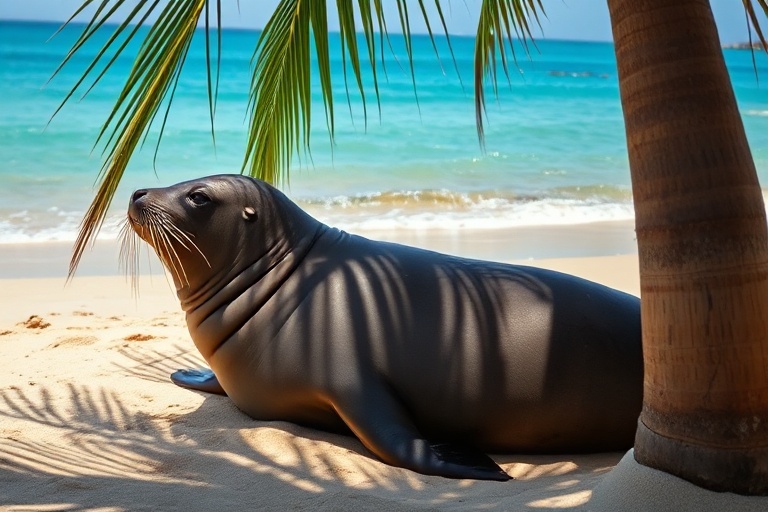
Hawaiian Monk Seals: The Pacific’s Most Endangered Pinnipeds
The Hawaiian monk seal, or Neomonachus schauinslandi, is one of the most elusive and endangered marine mammals on Earth. With a population hovering around 1,400 individuals, these seals face threats from habitat loss, human interference, and climate change. Unlike their more famous relatives, such as the elephant seal or harbor seal, the Hawaiian monk seal remains a mystery to many. Yet its survival is critical not just for Hawaii’s ecosystem but for global biodiversity.
These seals are native exclusively to the Hawaiian Islands, making them a cultural and ecological treasure. For centuries, they have been woven into the fabric of Polynesian life, appearing in legends and oral histories. Today, conservationists and scientists work tirelessly to protect them, balancing modern pressures with ancient traditions. Understanding their plight offers a window into the broader challenges facing marine life worldwide.
The Cultural Significance of the Hawaiian Monk Seal
The Hawaiian monk seal holds deep meaning in Native Hawaiian culture. Known locally as ʻIlio-holo-i-ka-uaua, or “dog that runs in rough water,” the seal is revered as a guardian of the ocean. Ancient Hawaiians believed these seals were ‘aumakua, or ancestral spirits, capable of bringing good fortune or misfortune depending on how they were treated. Fishermen would leave offerings of fish or kava to honor them, a practice that persists in some communities today.
Despite this cultural respect, modern threats have strained the relationship between humans and monk seals. In recent decades, interactions with fishing gear, coastal development, and tourism have led to increased conflicts. Conservation groups, including local Hawaiian organizations, have advocated for stricter protections, blending traditional wisdom with scientific research. Their efforts highlight how indigenous knowledge can inform modern conservation strategies.
One notable example is the work of the Hawaiian Monk Seal Response Team, which combines cultural protocols with veterinary expertise to rescue and rehabilitate injured seals. These teams often consult with Native Hawaiian elders to ensure their methods align with ancestral values, demonstrating a model of collaborative conservation.
Ecological Role and Environmental Threats
Hawaiian monk seals play a vital role in their ecosystem. As apex predators, they help maintain the balance of fish populations, particularly in coral reef habitats. Their foraging behavior prevents overgrazing by herbivorous fish, which in turn supports reef health. Without them, entire marine communities could destabilize, leading to cascading ecological consequences.
Yet their survival is increasingly precarious. The primary threats they face include:
- Habitat loss: Coastal development, pollution, and rising sea levels reduce the sandy beaches and shallow waters they rely on for resting and breeding.
- Fisheries interactions: Entanglement in fishing nets and hooks accounts for nearly 30% of monk seal deaths, according to NOAA Fisheries.
- Climate change: Warmer ocean temperatures disrupt prey availability, while stronger storms erode their critical haul-out sites.
- Disease and predation: Introduced species, such as dogs and cats, can spread pathogens or directly threaten seal pups.
These challenges are not unique to the Hawaiian monk seal. Marine mammals worldwide—from the vaquita in Mexico to the Mediterranean monk seal—face similar pressures. The Hawaiian monk seal’s plight serves as a microcosm of the broader crisis affecting ocean biodiversity. Addressing these issues requires not just local action but global cooperation.
Conservation Efforts and Global Implications
Protecting the Hawaiian monk seal is a complex endeavor that demands innovation and persistence. The National Oceanic and Atmospheric Administration (NOAA) has led recovery efforts since 1976, designating the species as endangered under the Endangered Species Act. Their strategies include:
- Habitat restoration: Restoring degraded beaches and establishing protected areas where seals can breed undisturbed.
- Fisheries management: Implementing gear modifications and seasonal closures to reduce entanglement risks.
- Community engagement: Collaborating with local fishermen, tour operators, and residents to minimize human-seal conflicts.
- Research and monitoring: Using satellite tags and aerial surveys to track seal movements and health trends.
One of the most successful programs is the Monk Seal Hospital on Oahu, where injured or malnourished seals receive medical care before being released back into the wild. Since its inception, the hospital has rehabilitated over 300 seals, many of which would have otherwise perished. These efforts have contributed to a slight population stabilization in recent years, though the species remains critically endangered.
The lessons learned from Hawaiian monk seal conservation extend far beyond the Pacific. Similar initiatives have been launched for other endangered pinnipeds, such as the Mediterranean monk seal in Greece and the critically endangered vaquita porpoise in Mexico. These projects underscore the importance of adaptive management and cross-border collaboration in marine conservation.
Moreover, the Hawaiian monk seal’s story resonates with broader environmental movements. It highlights the interconnectedness of human activity and wildlife survival, challenging us to rethink our relationship with the natural world. From reducing plastic waste to advocating for climate action, the fight to save the Hawaiian monk seal is a call to action for all of humanity.
A Call to Action for Future Generations
The Hawaiian monk seal is more than just a species; it is a symbol of resilience and a barometer of ocean health. Its survival depends on our collective willingness to act. For travelers visiting Hawaii, this means respecting seal haul-out zones and reporting sightings to local authorities. For policymakers, it means enforcing stronger environmental regulations and investing in sustainable development.
Educational programs, such as those offered by the Hawaii Marine Mammal Response Network, play a crucial role in raising awareness. By teaching students and visitors about the monk seal’s ecological importance, these programs foster a new generation of conservationists. Even small actions, like reducing single-use plastics or supporting eco-friendly tourism, can make a difference.
Looking ahead, the future of the Hawaiian monk seal remains uncertain. Yet the progress made so far proves that recovery is possible with dedication and cooperation. As climate change intensifies and human populations grow, the challenges will only increase. But the story of the Hawaiian monk seal is also one of hope—a reminder that even the most endangered species can find a path to survival.
For now, the seals continue to haul out on the shores of the Hawaiian Islands, basking in the sun and diving for fish. They are a testament to nature’s endurance and a challenge to humanity’s responsibility. The question is no longer whether we can save them, but whether we will choose to act in time.