Understanding the Flight Attendant Hantavirus Outbreak
The hantavirus outbreak among flight attendants has raised serious concerns about occupational health risks in the aviation industry. While hantavirus is typically associated with rodents in rural settings, its emergence in airline crews highlights how global travel can facilitate the spread of zoonotic diseases. This situation demands attention not only from healthcare professionals but also from airlines, regulatory bodies, and travelers themselves.
Hantavirus pulmonary syndrome (HPS) is a severe respiratory disease caused by the hantavirus. Most cases occur in the Americas, particularly in rural areas where infected rodents shed the virus through saliva, urine, and droppings. However, the recent cluster of cases among flight attendants suggests that the virus can travel beyond its traditional boundaries, carried by both humans and potentially contaminated environments.
How the Outbreak Unfolded Globally
The first reports of hantavirus among flight attendants emerged in early 2023, with cases identified across multiple continents. Airlines operating long-haul routes were particularly affected, raising questions about exposure during flights or in crew accommodations. Investigations revealed that some flight attendants had no recent travel to known endemic regions, indicating that transmission may have occurred in urban or airport environments.
Public health agencies, including the U.S. Centers for Disease Control and Prevention (CDC) and the World Health Organization (WHO), have emphasized the need for heightened surveillance in high-risk occupations. While the exact source of infection remains under scrutiny, experts speculate that contaminated surfaces in crew areas or exposure to infected rodents in maintenance facilities could play a role.
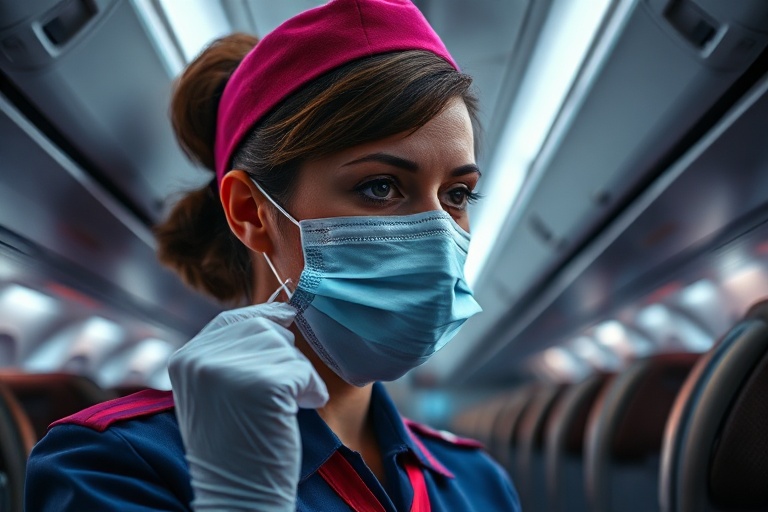
The outbreak has prompted airlines to review cleaning protocols and pest control measures. Some carriers have intensified disinfection of crew rest areas and introduced mandatory health screenings for flight attendants reporting respiratory symptoms. These steps reflect a growing recognition that occupational health in aviation must adapt to emerging biological threats.
Cultural and Occupational Factors at Play
The aviation industry operates on a global scale, with flight attendants serving as both service providers and potential vectors of disease. Their frequent travel exposes them to diverse environments, increasing the risk of encountering pathogens outside their home regions. Cultural practices in airline operations—such as shared crew accommodations and compressed layovers—may further contribute to transmission risks.
In some cultures, the stigma surrounding infectious diseases can delay reporting symptoms, complicating containment efforts. Flight attendants, often balancing demanding schedules with personal responsibilities, may downplay early signs of illness to avoid missing work. This cultural and occupational dynamic underscores the importance of anonymous reporting systems and workplace policies that prioritize health without penalizing workers.
Additionally, the economic pressures facing airlines post-pandemic have led to staffing shortages and increased workloads. Fatigued crews may be less vigilant about hygiene or less likely to seek medical attention when symptoms arise. Addressing these systemic issues requires collaboration between airlines, labor unions, and public health authorities.
Preventive Measures and Future Outlook
Preventing hantavirus transmission among flight attendants hinges on a combination of environmental controls, personal protective equipment (PPE), and employee education. Airlines should implement the following measures:
- Enhanced cleaning protocols: Regular disinfection of crew rest areas, lavatories, and aircraft cabins with virucidal agents.
- Pest management: Routine inspections of aircraft, hangars, and crew accommodations to eliminate rodent infestations.
- Health monitoring: Mandatory reporting of respiratory symptoms and access to rapid diagnostic testing for flight attendants.
- Training programs: Workshops on zoonotic diseases, hygiene best practices, and the importance of early symptom reporting.
- Ventilation improvements: Upgrading air filtration systems in aircraft and crew areas to reduce airborne pathogen transmission.
Public health experts also advocate for international cooperation to track and respond to emerging disease threats in aviation. The travel industry must adopt a proactive stance, recognizing that the health of flight crews is integral to global mobility and safety.
Looking ahead, the flight attendant hantavirus outbreak serves as a reminder of the interconnectedness of human, animal, and environmental health. As climate change and urbanization alter ecosystems, the risk of zoonotic spillover events will likely increase. The aviation sector must prepare for these challenges by integrating health security into its operational frameworks.
Conclusion: A Call for Collective Action
The hantavirus outbreak among flight attendants is more than an isolated incident—it is a symptom of broader systemic vulnerabilities. Addressing this issue requires a multifaceted approach that includes rigorous hygiene standards, employee support systems, and global health surveillance. Airlines, regulators, and healthcare providers must work together to mitigate risks and protect those who keep the world connected.
For flight attendants, the outbreak has brought new anxieties to an already demanding profession. Yet, it also presents an opportunity to redefine workplace safety in an era of evolving health threats. By prioritizing prevention and fostering a culture of transparency, the aviation industry can turn this challenge into a model for occupational health resilience.
The lessons learned from this outbreak will be critical as the world continues to navigate the complexities of a post-pandemic landscape. Whether through policy changes, technological innovations, or cultural shifts, the goal remains clear: ensuring that those who travel for work—and those who travel for leisure—can do so without compromising their health.