Why the Strait of Hormuz Remains the World’s Most Critical Energy Chokepoint
“`html
Strait of Hormuz: The World’s Most Critical Chokepoint
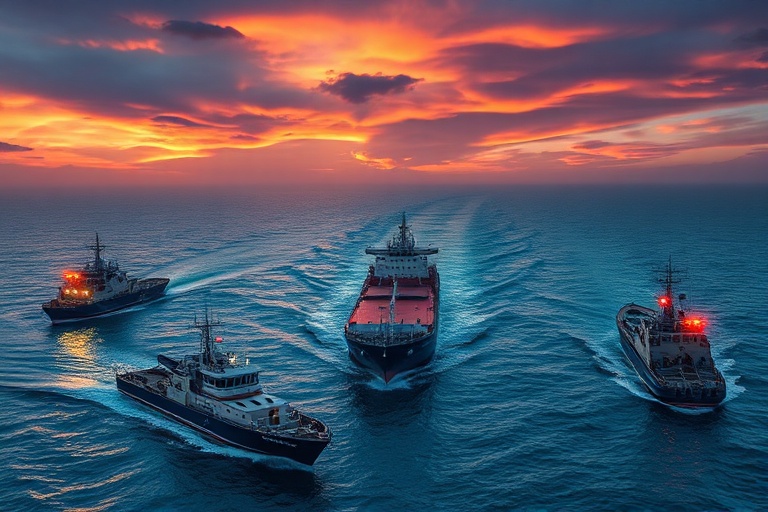
The Strait of Hormuz is more than just a narrow waterway between Iran and Oman—it is the lifeline of global energy trade, a flashpoint of geopolitical tension, and a symbol of the delicate balance between war and diplomacy in the Middle East. Connecting the Persian Gulf to the Gulf of Oman and, ultimately, the Arabian Sea, this 21-mile-wide strait sees an estimated 20% of the world’s oil pass through its waters every single day. Its strategic importance has made it a focal point of international relations, military posturing, and economic leverage for decades.
Understanding Hormuz requires looking beyond its geographical constraints. The strait is not merely a physical barrier but a psychological one, where the stakes of conflict and cooperation play out on a global stage. Nations far removed from the region—from the United States to China—find their energy security tied to its stability. Meanwhile, local communities, from Iranian fishermen to Omani traders, navigate a reality shaped by forces much larger than themselves.
The Geopolitical Chessboard
The Strait of Hormuz sits at the heart of a decades-long rivalry between regional powers and global stakeholders. Iran, which shares a long coastline along the Persian Gulf, has long viewed the strait as a critical point of leverage. The country’s Revolutionary Guard has, at times, threatened to disrupt shipping in the strait in response to sanctions, military exercises, or perceived threats to its sovereignty. These actions are not just symbolic—they have real-world consequences.
In 2019, attacks on oil tankers near Hormuz, widely attributed to Iran, sent shockwaves through global energy markets. The incident temporarily disrupted oil flows and underscored the strait’s vulnerability. Similarly, in 2021, Iran seized a South Korean tanker in retaliation for frozen funds, further demonstrating how Hormuz can be used as a bargaining chip in broader diplomatic standoffs.
For the United States, the strait’s security is a cornerstone of its Middle East strategy. The U.S. Fifth Fleet, based in Bahrain, maintains a constant presence in the region to deter aggression and ensure free passage. Meanwhile, China, which imports a significant portion of its oil from the Gulf, has invested in ports and infrastructure in neighboring countries like Oman and Pakistan, seeking alternative routes to reduce its dependence on Hormuz. Russia, too, has taken an interest, using the strait as a point of leverage in its broader competition with Western powers.
Economic Dependence and Vulnerability
The economic stakes of Hormuz cannot be overstated. According to the U.S. Energy Information Administration, roughly 21 million barrels of oil pass through the strait daily—more than the combined output of every oil-producing country in the Americas. A prolonged closure or disruption could send oil prices skyrocketing, triggering recessions in energy-importing nations and reshaping global trade patterns.
Countries in Asia, particularly China, India, and Japan, are among the most vulnerable to disruptions in Hormuz. These nations rely heavily on Middle Eastern oil, and any interruption in supply could force them to seek alternative sources, potentially at a higher cost or with significant delays. Europe, too, is not immune. While it has reduced its dependence on Middle Eastern oil in recent years, it still imports significant quantities, particularly from Saudi Arabia and Iraq.
The vulnerability of Hormuz has also spurred innovation in alternative shipping routes. Countries like the United Arab Emirates have invested in the development of the Fujairah oil terminal, which allows tankers to bypass the strait entirely by loading oil directly onto ships in the Gulf of Oman. Similarly, Saudi Arabia has explored pipelines that could transport oil to the Red Sea, reducing its reliance on Hormuz. While these efforts provide some buffer, they are not enough to fully insulate the global economy from a potential crisis in the strait.
Cultural and Human Impact
Beyond the geopolitical and economic dimensions, the Strait of Hormuz is a living, breathing entity shaped by the people who call its shores home. The region is a cultural crossroads, where Arab, Persian, and South Asian influences blend into a unique tapestry. Cities like Bandar Abbas in Iran and Muscat in Oman are thriving hubs of trade, tourism, and tradition, where bustling markets and historic forts tell stories of resilience and adaptation.
For local fishermen, Hormuz is a source of livelihood and pride. The waters teem with fish, shrimp, and other seafood, supporting communities that have relied on the sea for generations. However, the constant military presence and occasional tensions have made their work increasingly precarious. Fishermen often find themselves caught in the crossfire of diplomatic disputes, facing harassment or even detention by naval forces patrolling the strait.
The strait is also a site of environmental significance. The Persian Gulf is home to some of the world’s most biodiverse marine ecosystems, including coral reefs and endangered species like the hawksbill turtle. Oil spills and pollution from shipping traffic pose a constant threat to these fragile ecosystems. Efforts to mitigate environmental damage are often overshadowed by geopolitical concerns, leaving conservationists struggling to make their voices heard in a region where energy and security take precedence.
Diplomacy and the Future of Hormuz
The future of the Strait of Hormuz hinges on diplomacy, compromise, and the willingness of nations to prioritize stability over confrontation. While tensions remain high, there have been moments of cooperation. In 2022, Iran and Saudi Arabia agreed to restore diplomatic relations, a deal brokered by China, which could ease some of the pressure on Hormuz. Similarly, Oman has played a mediating role, hosting talks between regional powers and offering its ports as neutral ground for negotiations.
However, the road to lasting stability is fraught with challenges. Iran’s nuclear program, the ongoing conflict in Yemen, and the broader rivalry between Iran and Saudi Arabia all threaten to destabilize the region. The United States’ fluctuating commitment to the Middle East further complicates efforts to maintain security in Hormuz. Meanwhile, climate change and the global shift toward renewable energy could reduce the strait’s importance over time—but not quickly enough to eliminate its immediate risks.
For now, the world remains dependent on the Strait of Hormuz. Its waters carry not just oil, but the hopes and fears of nations far beyond its shores. The challenge for policymakers, business leaders, and local communities alike is to find a way to coexist with the strait’s volatility—to turn its potential for conflict into an opportunity for cooperation.
The Strait of Hormuz is more than a chokepoint; it is a mirror, reflecting the world’s energy needs, geopolitical ambitions, and environmental responsibilities. How we navigate its waters will shape the next chapter of global history.
—