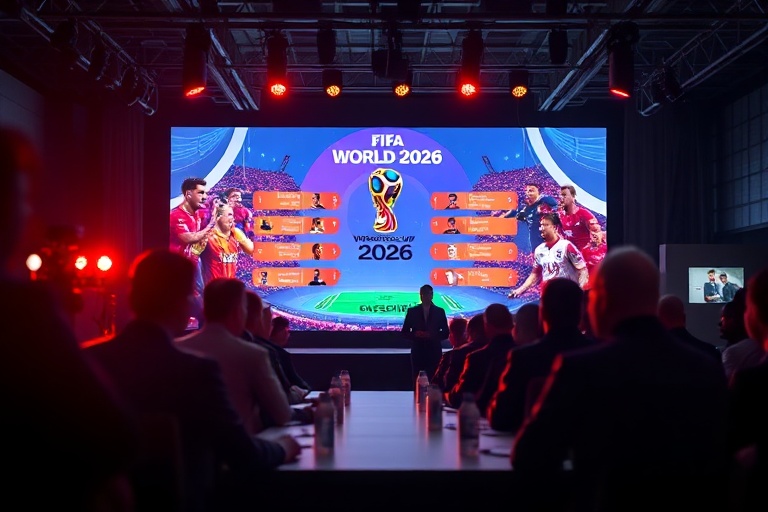
The FIFA World Cup has always been more than just a football tournament. It’s a four-week celebration of athleticism, culture, and global unity. The 2026 edition, co-hosted by three nations for the first time in history, promises to redefine what it means to host a World Cup. The United States, Canada, and Mexico will jointly organize the event, marking a historic moment for North American football.
This expansion to 48 teams introduces new dynamics. Fans will see more matches, more nations competing, and more stories unfolding on the pitch. The fixtures for the 2026 World Cup reflect this ambition, blending tradition with innovation in scheduling, venue selection, and fan experiences.
How the 2026 World Cup Fixtures Were Designed
The structure of the 2026 World Cup fixtures reflects FIFA’s commitment to accessibility and competitive balance. With 48 teams divided into 12 groups of four, each nation will play three group-stage matches. The top two teams from each group, along with the best eight third-place finishers, will advance to a newly expanded 32-team knockout stage.
This format ensures that even teams from smaller footballing nations have multiple opportunities to progress. It also creates more high-stakes moments earlier in the tournament, keeping global audiences engaged from the first whistle.
The match schedule was carefully crafted to balance fairness with fan experience. Groups were assigned based on geographic proximity to minimize long-distance travel for teams and supporters. This is particularly important in a tournament spread across three countries spanning 2,800 miles from Vancouver to Mexico City.
Key Features of the Fixture Design
- 104 total matches – nearly double the 64 played in 2022
- 16 stadiums across 16 host cities in three countries
- Matches played across June and July, avoiding extreme summer heat in some regions
- Consistent kick-off times to accommodate global TV audiences
The inclusion of Canada as a host nation adds a special dimension. While Canada’s men’s national team has historically been a tournament outsider, hosting offers a chance to inspire a new generation of players and fans. Mexico, with its passionate fan culture, brings unmatched energy to the group stage and beyond.
Cultural and Economic Impact Across Three Host Nations
Football is more than a sport in North America—it’s a cultural bridge. The 2026 World Cup fixtures are designed to showcase this diversity. From the vibrant murals of Mexico City to the tech-driven stadiums of the U.S., each host city offers a unique backdrop for the world’s biggest sporting event.
The tournament arrives at a pivotal moment for Canadian football. The national men’s team qualified for the 2026 World Cup for the first time since 1986, sparking national pride. Their opening match in Toronto could become a defining moment in the country’s sporting history.
In the United States, the World Cup represents an opportunity to elevate Major League Soccer (MLS) and youth development programs. Cities like Atlanta, Dallas, and Los Angeles will host matches, drawing attention to local football ecosystems that have grown significantly over the past decade.
Economic and Social Benefits
The economic impact is expected to exceed $5 billion across the three nations, with long-term benefits in infrastructure, tourism, and job creation. But beyond the numbers, the 2026 World Cup fixtures carry symbolic weight. They represent a shared vision: football as a tool for social change, economic growth, and national pride.
In Mexico, where football is deeply woven into national identity, the tournament offers a chance to reassert cultural influence on the global stage. The fixtures place Mexico in a favorable group stage scenario, potentially setting up a high-profile Round of 16 match against a European giant.
What Fans Can Expect: Scheduling, Venues, and Experiences
One of the most exciting aspects of the 2026 World Cup fixtures is the variety of experiences available to fans. Whether watching in a 70,000-seat stadium in Los Angeles or a 40,000-seat venue in Edmonton, supporters will be part of a unified global event.
The opening match will be played in Mexico City, a fitting choice given football’s deep roots in Latin America. The final will take place in New York/New Jersey, symbolizing the tournament’s North American identity and its connection to the sport’s growing influence in the U.S.
Notable Fixture Highlights
- June 11, 2026: Opening match – Mexico vs. Sweden (Estadio Azteca, Mexico City)
- June 12, 2026: USA vs. Canada (AT&T Stadium, Dallas) – a historic North American rivalry in its first World Cup meeting
- June 26, 2026: England vs. Argentina (MetLife Stadium, New Jersey) – a blockbuster rematch of the 2022 Round of 16
- July 19, 2026: Final – at MetLife Stadium, New Jersey
Each venue was selected not only for its capacity and infrastructure but also for its ability to deliver a memorable fan experience. Stadiums in Vancouver, Houston, and Guadalajara are designed to blend modern amenities with local architectural styles, creating immersive environments for supporters.
Digital innovation will play a key role in fan engagement. The 2026 World Cup fixtures will be supported by enhanced AR features, multilingual commentary, and personalized viewing options through FIFA+ and partner platforms.
Why the 2026 World Cup Matters Beyond the Pitch
This tournament is more than a sporting event—it’s a cultural milestone. It comes at a time when global football faces challenges around governance, sustainability, and inclusivity. The 2026 World Cup fixtures represent an opportunity to reset the narrative, to show that football can bring people together across borders, languages, and backgrounds.
The inclusion of 16 new nations—from Africa, Asia, and Oceania—reflects FIFA’s push for global growth. Teams like the Philippines, Haiti, or Tajikistan could produce fairytale runs, inspiring millions of young players who dream of seeing their country on the world stage.
The tournament also emphasizes sustainability. All host stadiums are designed to meet green building standards, and travel logistics have been optimized to reduce carbon footprints. This reflects a broader shift in how mega-events are planned, with environmental responsibility now a core requirement.
A New Era for Women’s Football
While the men’s World Cup captures global attention, the 2026 fixtures also set the stage for the 2027 FIFA Women’s World Cup, to be hosted by Brazil. The success of the expanded men’s tournament could influence future editions of the women’s event, pushing for greater investment and visibility.
For now, the focus is on the 2026 men’s World Cup. With its bold format, diverse host nations, and commitment to innovation, this tournament is poised to be one of the most inclusive and exciting in history.
From the opening match in Mexico City to the final in New Jersey, the fixtures tell a story—not just of football, but of ambition, unity, and the power of sport to shape culture.
As fans around the world begin planning their trips and marking their calendars, one thing is clear: the 2026 World Cup is not just coming to North America. It’s coming to the world.