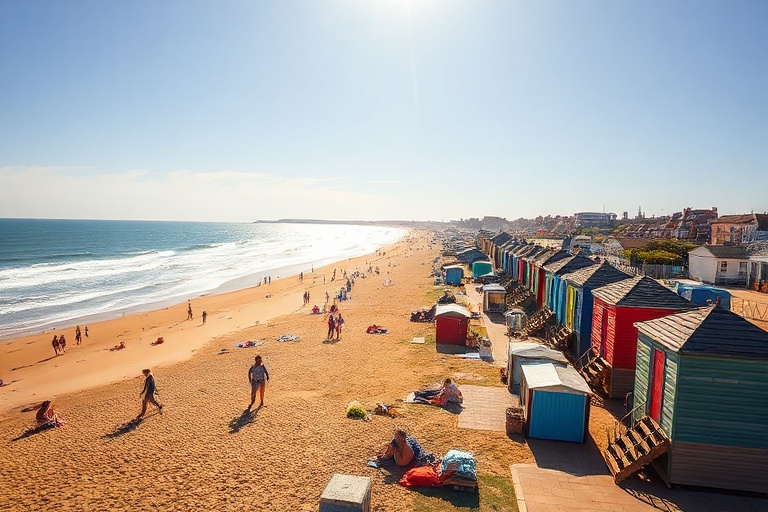
A Comprehensive Guide to Bournemouth Weather Throughout the Year
Understanding Bournemouth Weather: A Seasonal Overview
Bournemouth, a coastal town located on the southern coast of England, is known for its beautiful beaches and pleasant climate. The weather here varies significantly throughout the year, influenced by its proximity to the English Channel. Understanding the seasonal patterns of Bournemouth weather is essential for both residents and visitors alike.
This article will explore the unique characteristics of each season, the implications of changing weather patterns, and practical tips for enjoying Bournemouth regardless of the weather.
Seasonal Breakdown
The climate in Bournemouth is classified as temperate maritime, which means it experiences mild temperatures and moderate rainfall throughout the year. Here’s a closer look at what to expect in each season:
- Spring (March to May): Spring is characterized by gradually warming temperatures, with average highs ranging from 12°C to 17°C. Flowers bloom, and the town becomes vibrant and lively.
- Summer (June to August): Summers in Bournemouth are warm and sunny, with temperatures often reaching 20°C to 25°C. This is the peak tourist season, as beachgoers flock to the stunning coastline.
- Autumn (September to November): Autumn brings cooler temperatures and increased rainfall. Average highs drop to around 15°C, and the leaves turn vibrant shades of orange and red, creating picturesque scenery.
- Winter (December to February): Winters are mild but can be damp, with temperatures averaging between 3°C and 8°C. Snow is rare but possible, and the town is less crowded, offering a quieter atmosphere.
Impacts of Climate Change on Bournemouth Weather
In recent years, climate change has begun to influence weather patterns globally, and Bournemouth is no exception. The increasing frequency of extreme weather events and shifting seasonal norms pose challenges for the local community. For instance, warmer winters may lead to a longer tourist season, but they can also disrupt local ecosystems.
Additionally, rising sea levels are a concern for coastal towns like Bournemouth. The potential for increased flooding and erosion threatens not only the beaches but also the infrastructure and businesses that rely on tourism. As a result, local authorities are exploring sustainable practices to mitigate these impacts.
Planning Your Visit: Weather Considerations
Whether you’re a local or a visitor, understanding the weather can significantly enhance your experience in Bournemouth. Here are some key considerations when planning your trip:
- Check the Forecast: Always check the weather forecast before heading out. This can help you pack appropriately and plan activities.
- Dress in Layers: Given the variability in temperatures, layering is advisable, especially in spring and autumn.
- Embrace Outdoor Activities: During the summer months, take advantage of the sunny weather. The beaches, parks, and outdoor events provide ample opportunities for enjoyment.
- Plan for Rain: Bournemouth can experience sudden rain showers, particularly in autumn and winter. Carrying a light waterproof jacket is a smart choice.
Conclusion
Bournemouth weather is a vital aspect of the town’s charm and appeal. Understanding the seasonal variations helps both residents and visitors make the most of their time in this beautiful coastal destination. As climate change continues to affect weather patterns, it becomes increasingly important to adapt and prepare for the future.
By staying informed about the weather and taking proactive measures, everyone can enjoy everything Bournemouth has to offer, from its stunning beaches to its vibrant community events.