Al Masry vs Al Ahly: Egypt’s Historic Football Rivalry Explained
“`html
Al Masry vs Al Ahly: The Rivalry That Defines Egyptian Football
The clash between Al Masry and Al Ahly is more than just a football match; it is a cultural event that divides loyalties across Egypt. With a history stretching back to 1920, this rivalry represents much more than sporting competition. It reflects regional pride, historical tensions, and the passion that football evokes in North Africa’s most populous nation.
Al Ahly, based in Cairo, is not only Egypt’s most successful club but also one of Africa’s footballing giants. In contrast, Al Masry, from Port Said, carries the banner of a working-class port city with a fierce, independent identity. This contrast fuels a rivalry that transcends the pitch, influencing social identity and local pride.
The Origins of a Historic Rivalry
Football arrived in Egypt in the late 19th century, brought by British expatriates. By the 1920s, clubs began forming across the country, and Al Masry was founded in 1920 as Port Said’s first major football club. Al Ahly, established in 1907, was already a dominant force in the capital. The first official match between the two took place in 1927, marking the beginning of a rivalry steeped in regional pride.
The early matches were not just sporting events but cultural exchanges. Fans from Port Said and Cairo traveled long distances to support their teams, often clashing in the streets long before kickoff. These tensions mirrored broader social divides between urban elites and working-class port communities.
Key Moments in the Rivalry
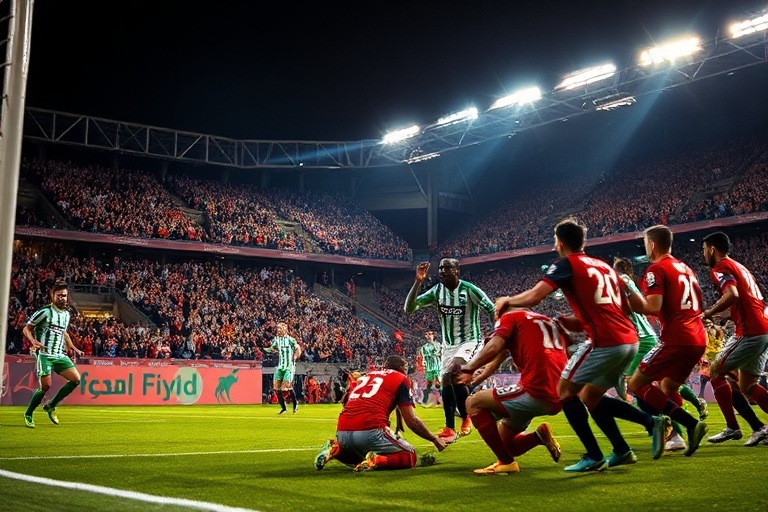
Over the decades, several matches have defined the intensity of this rivalry. One of the most infamous incidents occurred in 2012 during a match at Port Said Stadium. After Al Masry defeated Al Ahly 1-0, chaos erupted when Al Masry fans stormed the pitch. Violence spilled into the stands, resulting in the deaths of 74 Al Ahly supporters. The tragedy led to the indefinite suspension of the Egyptian Premier League and a national reckoning with football-related violence.
Despite such dark chapters, the rivalry has also produced moments of brilliance. In 2018, Al Masry stunned Al Ahly by winning 2-1 in the CAF Confederation Cup, a rare continental victory for the underdogs. These upsets are celebrated deeply in Port Said, reinforcing the club’s status as a symbol of resistance against Cairo’s dominance.
The Cultural Significance Beyond the Pitch
In Egypt, football is deeply intertwined with national identity. Al Ahly, with its massive fanbase known as the “Red Knights,” symbolizes the power of the capital and its institutions. Conversely, Al Masry fans, often referred to as “The Green Eagles,” see themselves as guardians of a maritime working-class culture that thrives despite economic hardship.
This rivalry extends beyond Egypt’s borders. In African football, Al Ahly is a continental powerhouse with eight CAF Champions League titles, while Al Masry has carved out its own niche as a resilient underdog. Their encounters in continental competitions draw global attention, showcasing African football’s diversity and passion.
Fan Culture and Identity
Al Masry and Al Ahly fans express their identities through chants, banners, and rituals that reflect their cities’ histories. Al Ahly’s Ultras Ahlawy are known for their organized displays and political activism, often using matches to voice dissent against government policies. In contrast, Al Masry’s supporters, though smaller in number, are fiercely loyal, turning Port Said Stadium into a cauldron of noise and color.
These fan cultures highlight football’s role in shaping social movements. During the 2011 Egyptian Revolution, both sets of fans temporarily united in Tahrir Square, demonstrating how football rivalries can coexist with broader national struggles.
What the Future Holds
As Egyptian football evolves, the Al Masry vs Al Ahly rivalry remains central to the sport’s narrative. The Egyptian Premier League has resumed after years of disruption, and both clubs continue to invest in youth development and infrastructure. Al Ahly maintains its dominance domestically, but Al Masry’s recent upsets show that the gap is narrowing.
For younger generations, the rivalry is both a tradition and a spectacle. Social media amplifies the drama, with fans worldwide engaging in debates and memes that keep the feud alive beyond the 90 minutes. The global appeal of Egyptian football ensures that this rivalry will continue to captivate audiences far beyond North Africa.
A Rivalry That Transcends Sport
The Al Masry vs Al Ahly clash is a testament to how football can reflect and shape society. It is a story of regional pride, resilience, and the enduring power of sport to unite and divide. Whether in victory or defeat, both clubs represent something deeper—a connection to place, history, and identity that resonates far beyond the pitch.
For fans old and new, this rivalry is not just about who wins or loses. It is about what it means to be from Port Said or Cairo, and how football becomes the language of a nation’s soul. As long as both clubs exist, their battles will continue to define Egyptian football and inspire generations of supporters.
—