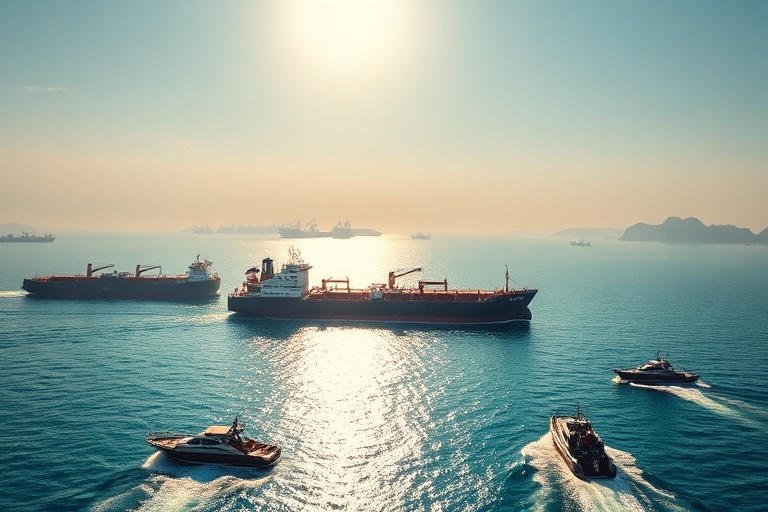
Strait of Hormuz Oil Tankers: Why This Chokepoint Matters
“`html
Strait of Hormuz Oil Tankers: A Critical Chokepoint for Global Energy
The Strait of Hormuz remains one of the most strategically significant waterways in the world. This narrow passage, just 21 miles wide at its narrowest point, connects the Persian Gulf to the Gulf of Oman and ultimately the Arabian Sea. It is the primary route for oil tankers leaving some of the world’s largest crude oil exporters, including Saudi Arabia, Iran, Iraq, the United Arab Emirates, and Kuwait. Every day, millions of barrels of oil pass through this chokepoint, making its stability a matter of global concern.
The Geopolitical Significance of the Strait
The Strait of Hormuz is more than just a maritime route; it is a flashpoint in international relations. The strait lies between Iran and Oman, and its control has been a source of tension for decades. Iran has repeatedly threatened to disrupt shipping in the strait in response to sanctions, military pressures, or perceived threats to its sovereignty. These tensions have led to a series of incidents, including the 2019 attacks on tankers and the 2021 seizure of a South Korean vessel by Iranian forces.
For the global oil market, the strait’s security is non-negotiable. According to the U.S. Energy Information Administration, about 21 million barrels of oil per day—roughly 20% of the world’s total oil supply—pass through the Strait of Hormuz. Any disruption in this flow could send shockwaves through energy markets, driving up prices and destabilizing economies dependent on stable oil supplies.
Key Incidents and Their Impact
The following incidents highlight the fragility of shipping through the Strait of Hormuz and the broader implications of any disruption:
- 2019 Tanker Attacks: In June 2019, two oil tankers were attacked near the strait, an incident widely attributed to Iran. The attacks caused a temporary spike in oil prices and raised concerns about the vulnerability of global energy supplies.
- 2021 Seizure of the Hankuk Chemi: Iran’s Revolutionary Guard seized a South Korean tanker in January 2021, holding it for months over a dispute involving frozen funds. The incident underscored how non-energy disputes can spill over into maritime security.
- 2023 Drone Interception: In April 2023, Iran’s navy intercepted and boarded a Marshall Islands-flagged tanker, accusing it of smuggling oil. The event was another reminder of the strait’s volatility.
- 2024 Geopolitical Tensions: Ongoing tensions between Iran and Western powers, including the U.S., have kept the strait in the spotlight. The U.S. has maintained a military presence in the region to deter aggression and ensure freedom of navigation.
The Broader Implications for Global Energy Markets
The Strait of Hormuz is not just a regional concern; its stability affects the entire world. Any disruption in oil flows through the strait can have cascading effects on energy prices, inflation, and economic growth. For example, during the 2019 tanker attacks, Brent crude prices rose by nearly 4% in a single day. While the spike was temporary, it illustrated how quickly markets can react to geopolitical risks.
Countries heavily dependent on oil imports, such as China, India, and Japan, are particularly vulnerable. These nations have sought to diversify their oil supply routes, investing in pipelines and alternative shipping lanes. For instance, Saudi Arabia has expanded its East-West Pipeline, which bypasses the Strait of Hormuz by transporting oil from its Persian Gulf fields to the Red Sea. Similarly, the UAE has developed the Habshan-Fujairah pipeline to reduce reliance on the strait.
However, these alternatives are limited. Most of the world’s oil reserves are located in the Persian Gulf, and the infrastructure to bypass the strait remains underdeveloped. As a result, the global economy remains tethered to the strait’s stability, making its security a top priority for energy-dependent nations.
Military and Diplomatic Responses
The U.S. and its allies have taken steps to ensure the free flow of oil through the Strait of Hormuz. The U.S. Fifth Fleet, based in Bahrain, patrols the region and conducts joint exercises with regional partners. These efforts aim to deter aggression and maintain open shipping lanes. Additionally, the International Maritime Security Construct (IMSC), launched in 2019, includes nations like the U.K., Australia, and Saudi Arabia, all committed to safeguarding maritime security in the Persian Gulf.
Diplomatic efforts have also played a role. The Joint Comprehensive Plan of Action (JCPOA), or Iran nuclear deal, was one such effort to ease tensions in the region. While the deal’s future remains uncertain, its revival could reduce the risk of conflict in the Strait of Hormuz. However, with geopolitical rivalries intensifying, diplomatic solutions are increasingly difficult to achieve.
For its part, Iran has used the strait as a bargaining chip in negotiations. By threatening to close the strait or disrupt shipping, Iran seeks to pressure Western powers into easing sanctions or addressing its security concerns. This strategy has proven effective in the past, but it also risks escalating tensions into open conflict.
Looking Ahead: What’s Next for the Strait?
The future of the Strait of Hormuz will depend on several factors, including geopolitical dynamics, energy market trends, and technological advancements. One potential shift is the global transition to renewable energy. As countries reduce their dependence on fossil fuels, the strategic importance of oil chokepoints like the Strait of Hormuz may diminish. However, this transition is likely to take decades, leaving the strait vulnerable to disruptions in the meantime.
Technological innovations could also play a role. For example, the development of advanced maritime surveillance systems and autonomous vessels could enhance security in the strait. These technologies could help detect and deter threats before they escalate into full-blown conflicts.
For now, the Strait of Hormuz remains a critical artery for global oil supplies. Its security is a shared responsibility, requiring cooperation among nations, robust military presence, and diplomatic engagement. The stakes are high, and the consequences of failure could be severe. As the world continues to grapple with energy demands and geopolitical rivalries, the Strait of Hormuz will remain a focal point for policymakers, energy traders, and military strategists alike.
For more insights into global energy trends and geopolitical risks, visit our News and Analysis sections on Dave’s Locker. These categories provide in-depth coverage of the forces shaping the world’s energy landscape.