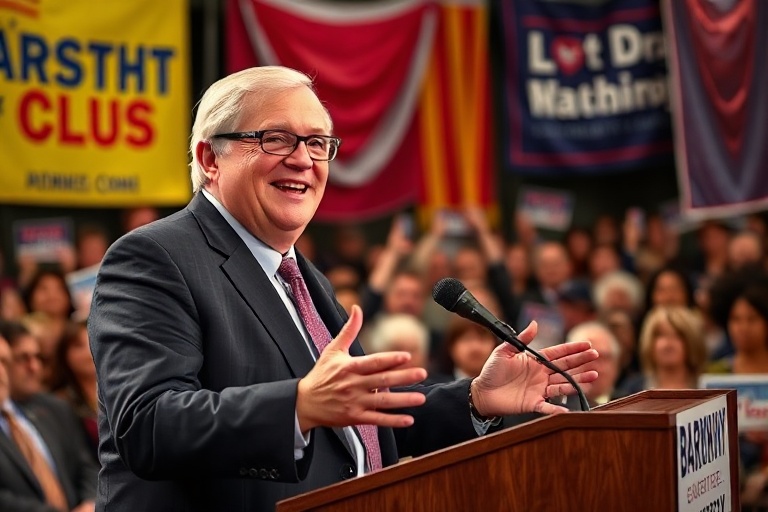
Barney Frank: A Trailblazer in Politics and LGBTQ+ Rights
Barney Frank: A Pioneering Political Figure
Barney Frank, a name synonymous with American politics, particularly in the realms of finance and LGBTQ+ rights, has had a significant impact on legislative processes and societal norms. He served as a U.S. Congressman for over three decades, representing Massachusetts’s 4th congressional district. Frank’s tenure was marked by his outspoken nature and ability to tackle complex issues head-on.
Early Life and Political Career
Born on March 31, 1940, in Bayonne, New Jersey, Frank grew up in a Jewish family that valued education and civic engagement. He attended Harvard College and later Harvard Law School, which laid the groundwork for his future in politics. Frank began his political career in the Massachusetts House of Representatives before moving on to the U.S. House of Representatives in 1981.
During his time in Congress, Frank became known for his sharp wit and keen insight into legislative matters. His work on the House Financial Services Committee positioned him as a key player in shaping financial policy, especially during the 2008 financial crisis.
Key Legislative Achievements
Throughout his career, Barney Frank championed several critical pieces of legislation. Here are some of his most notable achievements:
- Dodd-Frank Wall Street Reform and Consumer Protection Act: Co-authored in response to the financial crisis, this landmark legislation aimed to reduce risks in the financial system.
- Repeal of “Don’t Ask, Don’t Tell”: Frank played a vital role in overturning this military policy, allowing LGBTQ+ individuals to serve openly in the armed forces.
- Affordable Housing Initiatives: He advocated for affordable housing and played a significant role in legislation that supported low-income families.
- Consumer Financial Protection Bureau: Frank was instrumental in the establishment of this agency, designed to protect consumers from unfair financial practices.
Impact on LGBTQ+ Rights and Social Issues
Barney Frank’s contributions extend beyond financial reform. As one of the first openly gay members of Congress, he has been a trailblazer for LGBTQ+ rights. His candidness about his sexuality in the political sphere helped pave the way for greater acceptance and representation of LGBTQ+ individuals in government.
Frank’s advocacy has had profound implications for social policies in the United States. His efforts to promote equality have influenced legislation that supports marriage rights, anti-discrimination laws, and broader acceptance in society.
Broader Implications and Legacy
The legacy of Barney Frank is multifaceted, encompassing both his legislative achievements and his personal journey as an openly gay politician. His work has set a precedent for future generations of lawmakers, particularly those from marginalized communities. By challenging norms and advocating for change, Frank has demonstrated the importance of representation in politics.
Furthermore, his role in financial reform highlights the need for robust regulatory measures in preventing economic crises. The Dodd-Frank Act remains a cornerstone of financial regulation, emphasizing consumer protection in an often volatile market.
As society continues to evolve, the principles that Frank championed—equity, accountability, and transparency—will remain relevant. His story serves as a reminder that political engagement can lead to transformative change.
In conclusion, Barney Frank’s career is a testament to the power of perseverance and advocacy. His contributions to finance and social issues have left an indelible mark on American politics. As we reflect on his legacy, it is crucial to recognize the ongoing challenges faced by LGBTQ+ individuals and the importance of financial oversight in safeguarding the economy.
For a deeper understanding of financial reforms, visit our Finance section. To explore more about social justice movements, check out our Culture page.