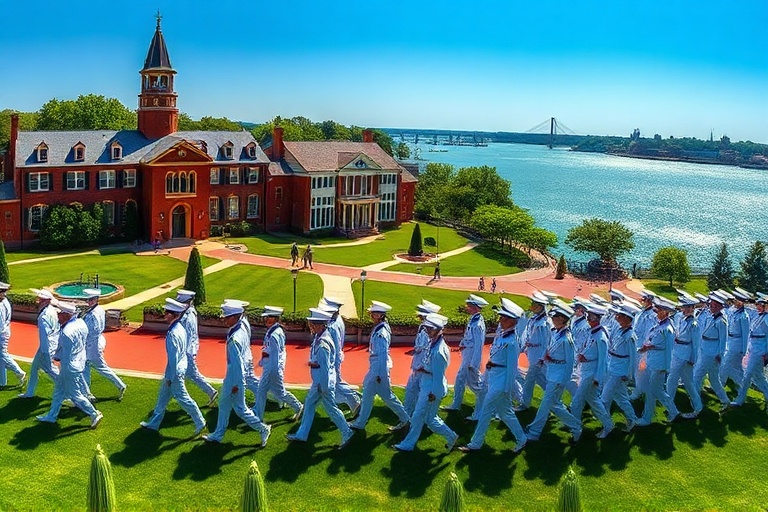
Exploring the United States Coast Guard Academy and Its Impact
Understanding the Coast Guard Academy
The United States Coast Guard Academy (USCGA), located in New London, Connecticut, serves a crucial role in training future leaders of the Coast Guard. Founded in 1876, it is one of the five federal service academies and focuses on preparing cadets for a career in maritime safety, security, and stewardship. The academy offers a rigorous academic curriculum combined with military training, fostering a unique environment for personal and professional growth.
Academics and Training
The USCGA provides a comprehensive education that emphasizes both engineering and maritime studies. Cadets can choose from various majors, including:
- Marine and Environmental Science
- Naval Architecture and Marine Engineering
- Management
- Government
- Cyber Operations
In addition to academics, cadets undergo extensive military training. This includes physical fitness, leadership development, and practical applications of their studies. The combination of these elements ensures that graduates are not only knowledgeable but also equipped to tackle real-world challenges.
Life at the Academy
Life at the Coast Guard Academy is structured and demanding. Cadets are required to adhere to military discipline while also engaging in a vibrant campus life. This balance helps cultivate camaraderie and leadership skills among peers. Activities range from athletic competitions to community service initiatives, allowing cadets to develop a well-rounded character.
Moreover, the academy emphasizes character development and ethical decision-making. Cadets participate in various programs designed to instill core values such as honor, respect, and devotion to duty. These principles are vital as they transition into their roles within the Coast Guard and beyond.
Broader Implications of Coast Guard Training
The training and education provided at the USCGA extend beyond individual cadets. The academy plays a significant role in national security and maritime safety. By preparing highly skilled leaders, the Coast Guard can effectively respond to crises, such as natural disasters, maritime accidents, and national emergencies.
Additionally, the academy’s focus on environmental stewardship reflects growing concerns about climate change and ocean conservation. Graduates are often at the forefront of initiatives aimed at protecting marine ecosystems, highlighting the Coast Guard’s commitment to preserving natural resources for future generations.
Furthermore, the academy’s commitment to diversity and inclusion is increasingly relevant in today’s society. By attracting a diverse group of cadets, the USCGA enhances its ability to serve a wide range of communities across the nation. This approach fosters innovative problem-solving and more effective leadership within the Coast Guard.
Conclusion
The United States Coast Guard Academy stands as a beacon of leadership development and educational excellence. Its unique blend of rigorous academic programs and military training prepares cadets for a lifetime of service. As the Coast Guard continues to evolve in response to new challenges, the academy remains a pivotal institution in shaping the future of maritime safety and security.
For more information on educational programs and opportunities within the Coast Guard, visit our Education category and explore related articles in our News category.