climate
“`html
Understanding Climate Change: A Global Challenge
The conversation around climate change has shifted from distant warnings to urgent action. Governments, scientists, and communities worldwide are recognizing that the planet’s changing climate is not a future problem but a current reality. The past decade alone has seen record-breaking temperatures, rising sea levels, and increasingly frequent extreme weather events. These shifts are reshaping economies, cultures, and daily lives in ways both visible and subtle.
At its core, climate change refers to long-term shifts in temperature and weather patterns, primarily driven by human activities. The burning of fossil fuels, deforestation, and industrial processes have significantly increased greenhouse gas concentrations in the atmosphere. This has intensified the natural greenhouse effect, trapping heat and altering global weather systems. The consequences are far-reaching, affecting everything from agriculture to public health, and they demand a coordinated global response.
The Human Impact: Cultures and Communities at Risk
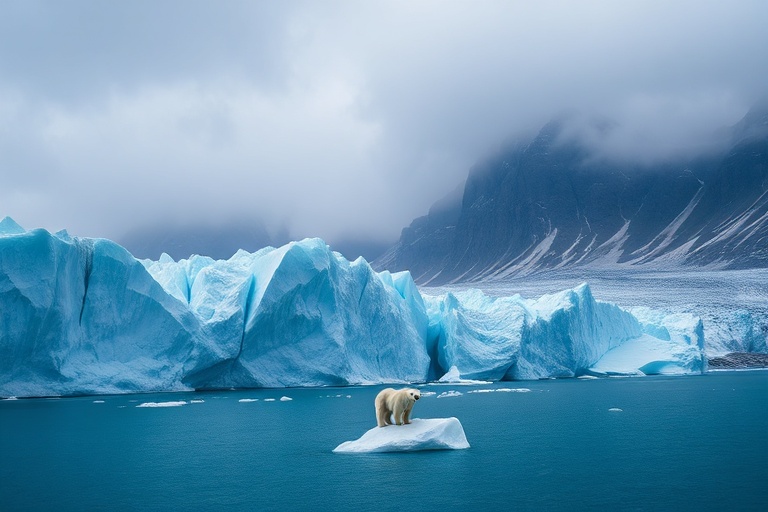
While climate change is a global issue, its effects are unevenly distributed. Indigenous communities, small island nations, and low-income regions often bear the brunt of environmental degradation. For example, the Arctic’s Inuit populations face threats to their traditional way of life as melting ice disrupts hunting and fishing practices. Similarly, Pacific Island nations like Tuvalu and Kiribati are at risk of disappearing entirely due to rising sea levels.
Cultural heritage is also at stake. UNESCO has identified numerous World Heritage sites threatened by climate change, from Venice’s sinking cityscape to the ancient ruins of Mohenjo-Daro in Pakistan, which are at risk from flooding. These losses extend beyond physical structures; they represent the erosion of traditions, languages, and identities that have thrived for centuries. Preserving these cultural assets requires not only environmental policies but also global solidarity.
Economic and Political Responses: Progress and Setbacks
The economic implications of climate change are staggering. The World Bank estimates that climate-related disasters could push over 100 million people into poverty by 2030. Meanwhile, industries reliant on stable weather patterns—such as agriculture and tourism—face existential threats. Yet, the transition to a green economy also presents opportunities. Renewable energy sectors are growing rapidly, creating jobs and fostering innovation.
Politically, the response has been fragmented. While the Paris Agreement of 2015 marked a historic commitment to limit global warming, progress has been inconsistent. Some nations, like Sweden and Costa Rica, have made significant strides in reducing emissions, while others continue to prioritize short-term economic growth over sustainability. The tension between national interests and global cooperation remains a major hurdle. For instance, the United States’ withdrawal from the Paris Agreement under the previous administration highlighted the volatility of climate policy.
Corporations are also under increasing pressure to adopt sustainable practices. Shareholder activism and consumer demand are pushing companies to reduce their carbon footprints. However, greenwashing—where businesses exaggerate their environmental efforts—remains a persistent issue. Transparency and accountability are critical to ensuring real progress.
Everyday Actions: How Individuals Can Make a Difference
While systemic change is essential, individual actions can contribute to broader efforts. Simple changes in daily life—such as reducing energy consumption, minimizing waste, and supporting sustainable brands—can collectively make a significant impact. For example, shifting to a plant-based diet can reduce an individual’s carbon footprint by up to 73% compared to a meat-heavy diet, according to research from the University of Oxford.
Public engagement is also vital. Voting for leaders who prioritize climate action, participating in local environmental initiatives, and educating others about the issue can amplify collective efforts. Communities are increasingly taking matters into their own hands, from urban gardening projects to renewable energy cooperatives. These grassroots movements demonstrate that change is possible when people come together.
Technology offers additional tools for progress. Innovations like carbon capture, vertical farming, and electric vehicles are gaining traction, though their scalability and accessibility remain challenges. Access to these technologies often depends on socioeconomic factors, underscoring the need for inclusive solutions that leave no community behind.
Key Takeaways for a Sustainable Future
Addressing climate change requires a multifaceted approach that balances urgency with pragmatism. Here are some actionable steps to consider:
- Support renewable energy: Advocate for policies that accelerate the transition to solar, wind, and other clean energy sources.
- Reduce consumption: Embrace minimalism and prioritize quality over quantity to lessen waste and resource depletion.
- Engage with local initiatives: Join community-led projects that promote sustainability, such as clean-up drives or urban farming.
- Hold leaders accountable: Demand transparency and bold action from policymakers and corporations alike.
The path forward is complex, but it is not insurmountable. History shows that humanity has overcome seemingly impossible challenges when united by a shared purpose. Climate change is no exception. By fostering collaboration across borders, cultures, and sectors, we can build a future where both people and the planet thrive. The time to act is now—not as a distant obligation, but as an immediate necessity.
For those interested in diving deeper into the intersection of climate and culture, explore our Culture section, where we examine how global trends shape—and are shaped by—environmental shifts. Additionally, our Science category offers in-depth analyses of the latest research and technological advancements addressing climate challenges.
—
METADATA
{
“title”: “Climate Change: Causes, Impacts, and Solutions for a Sustainable Future”,
“metaDescription”: “Explore the global impacts of climate change, from cultural losses to economic challenges, and discover actionable steps for a sustainable future.”,
“categories”: [“Science”, “Culture”],
“tags”: [“climate change”, “sustainability”, “green energy”, “environmental policy”, “global warming”],
“imageDescription”: “A split-image collage: on one side, a melting glacier with a lone polar bear; on the other, a thriving urban community with solar panels and green spaces. The overall mood is one of contrast—urgency juxtaposed with hope—set against a backdrop of dramatic skies.”
}
—END METADATA—
“`